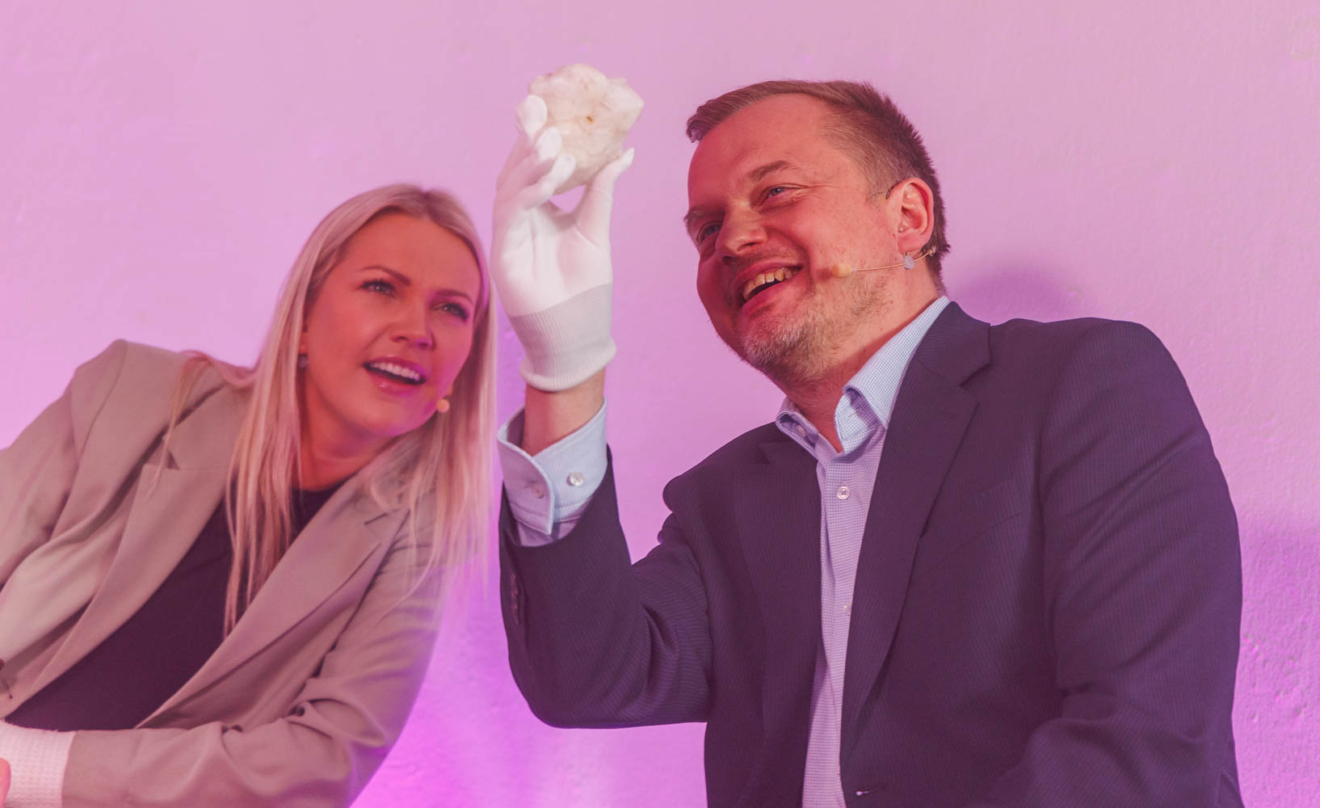
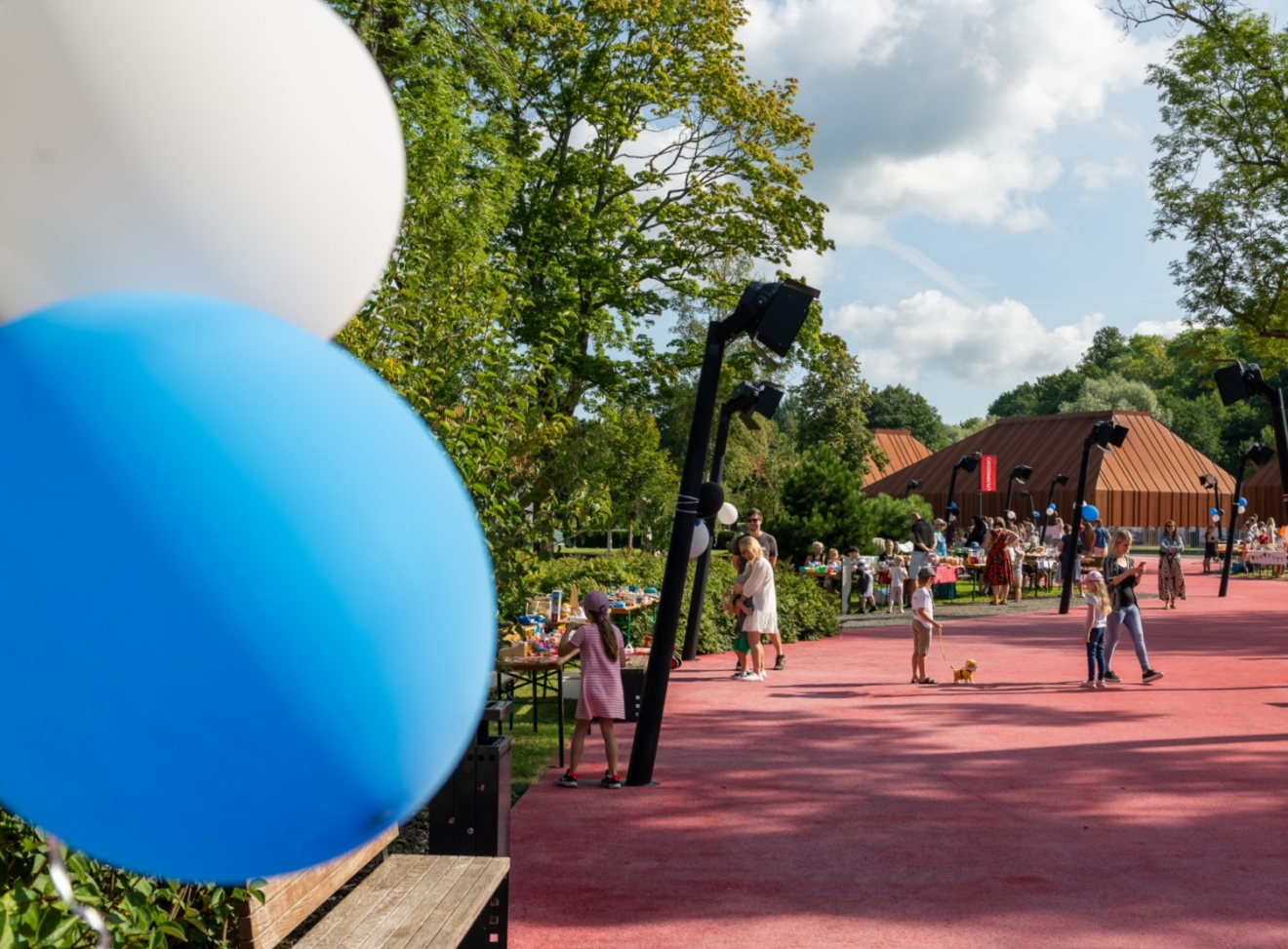
Celebrate Estonia’s Restoration of Independence Day in the museum!
On Wednesday, August 20, we celebrate Estonia’s Restoration of Independence Day, and several museums are organising special events for the occasion.
Please note, however, that some museums will be closed that day. To avoid disappointment, we recommend checking the museum’s website in advance to confirm its opening hours.
Here is a list of museums that will be open on August 20 and welcome visitors.
Museums that are open on August 20
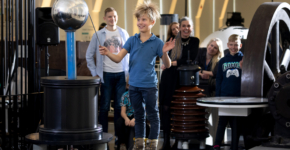
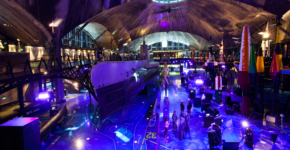
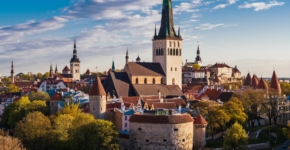
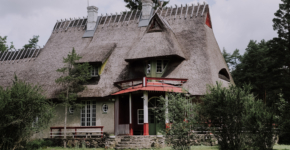
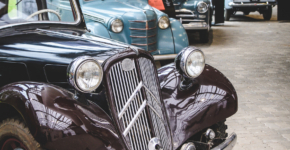
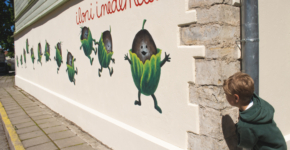
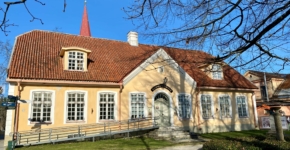
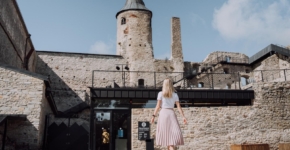
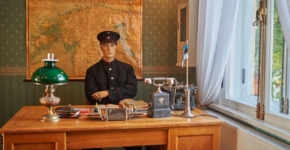
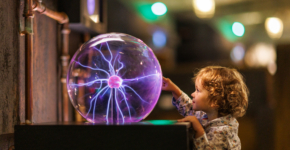
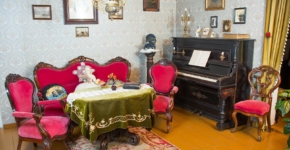
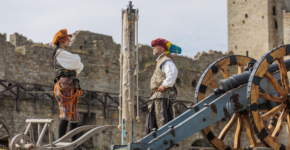
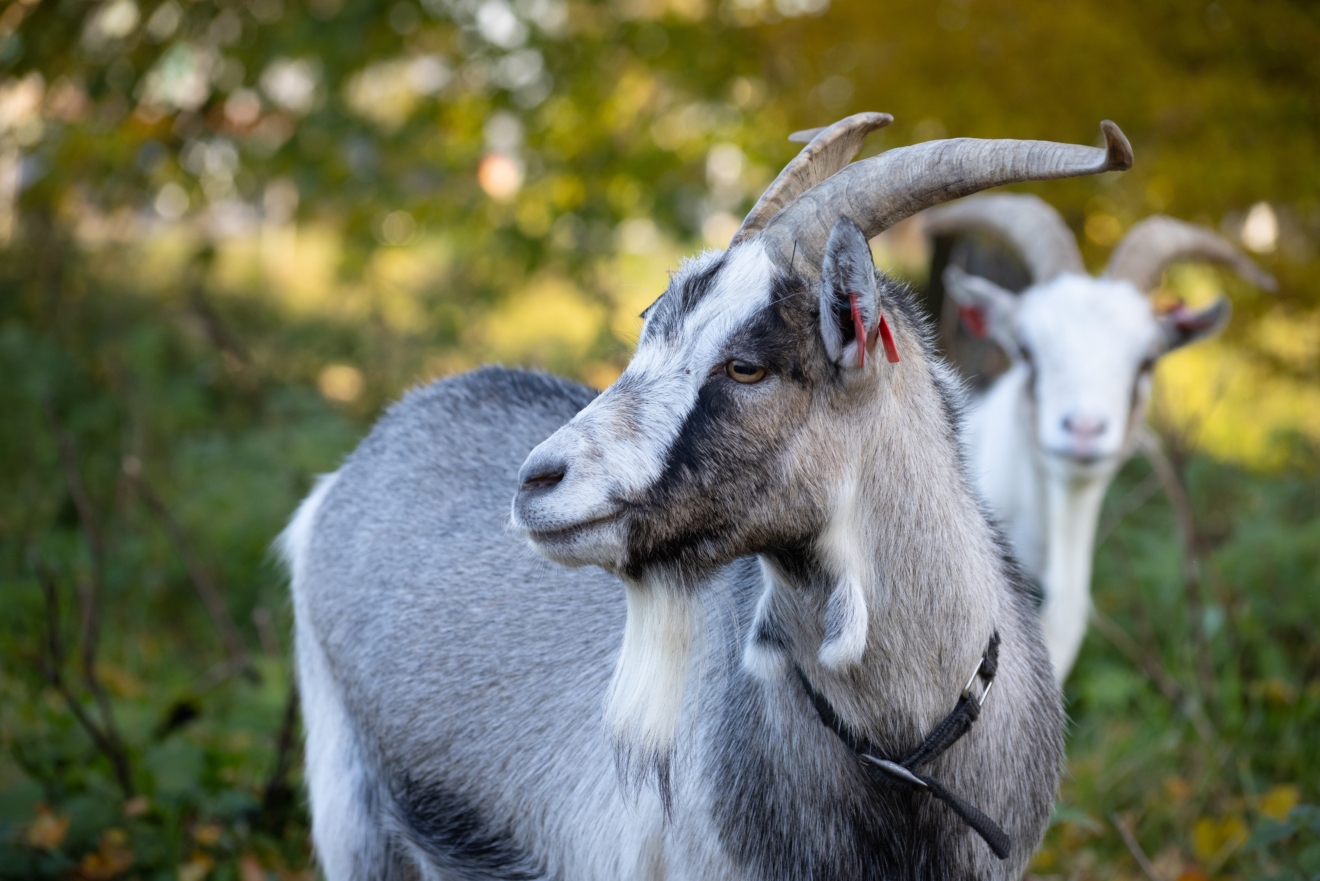
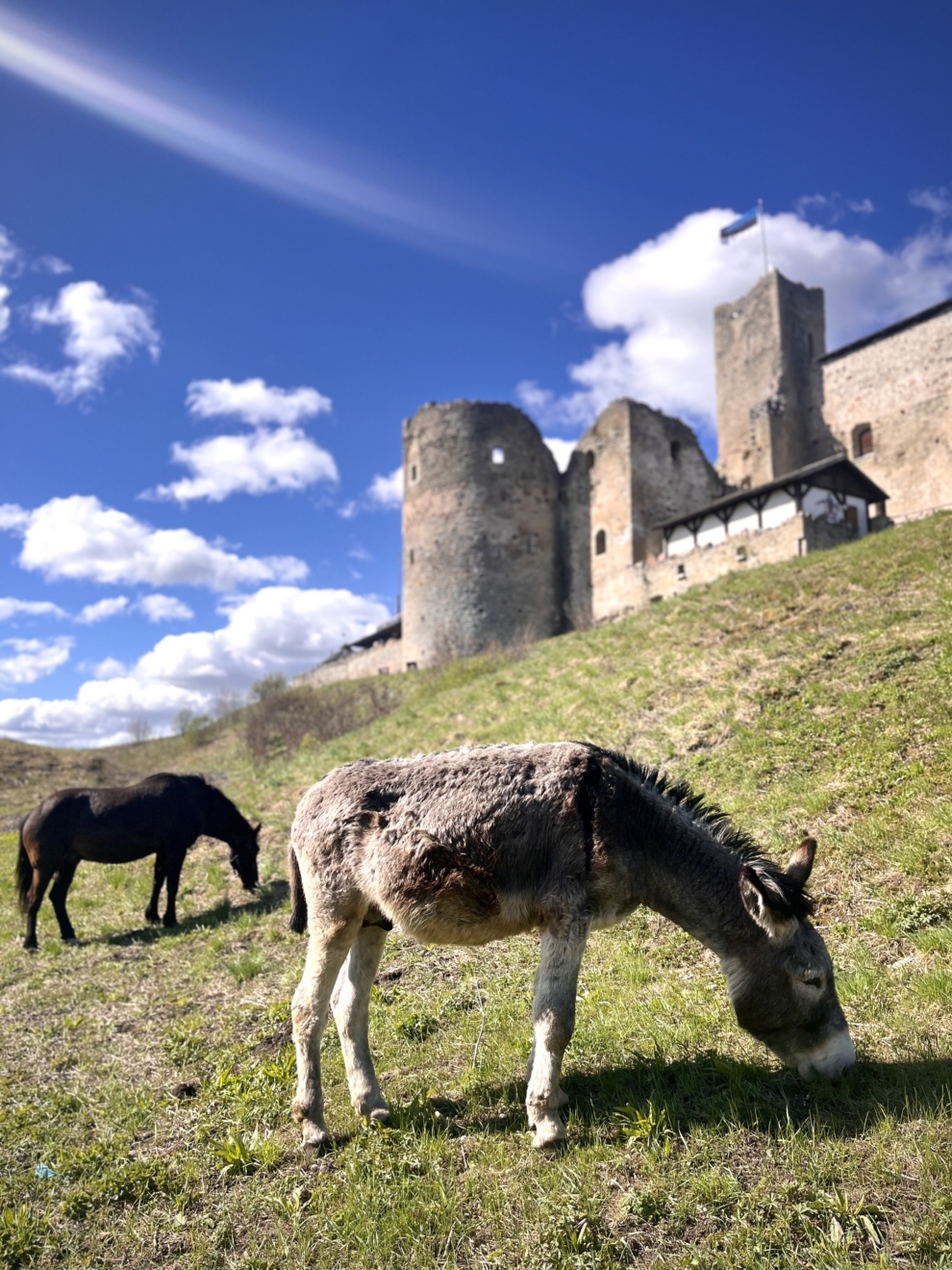
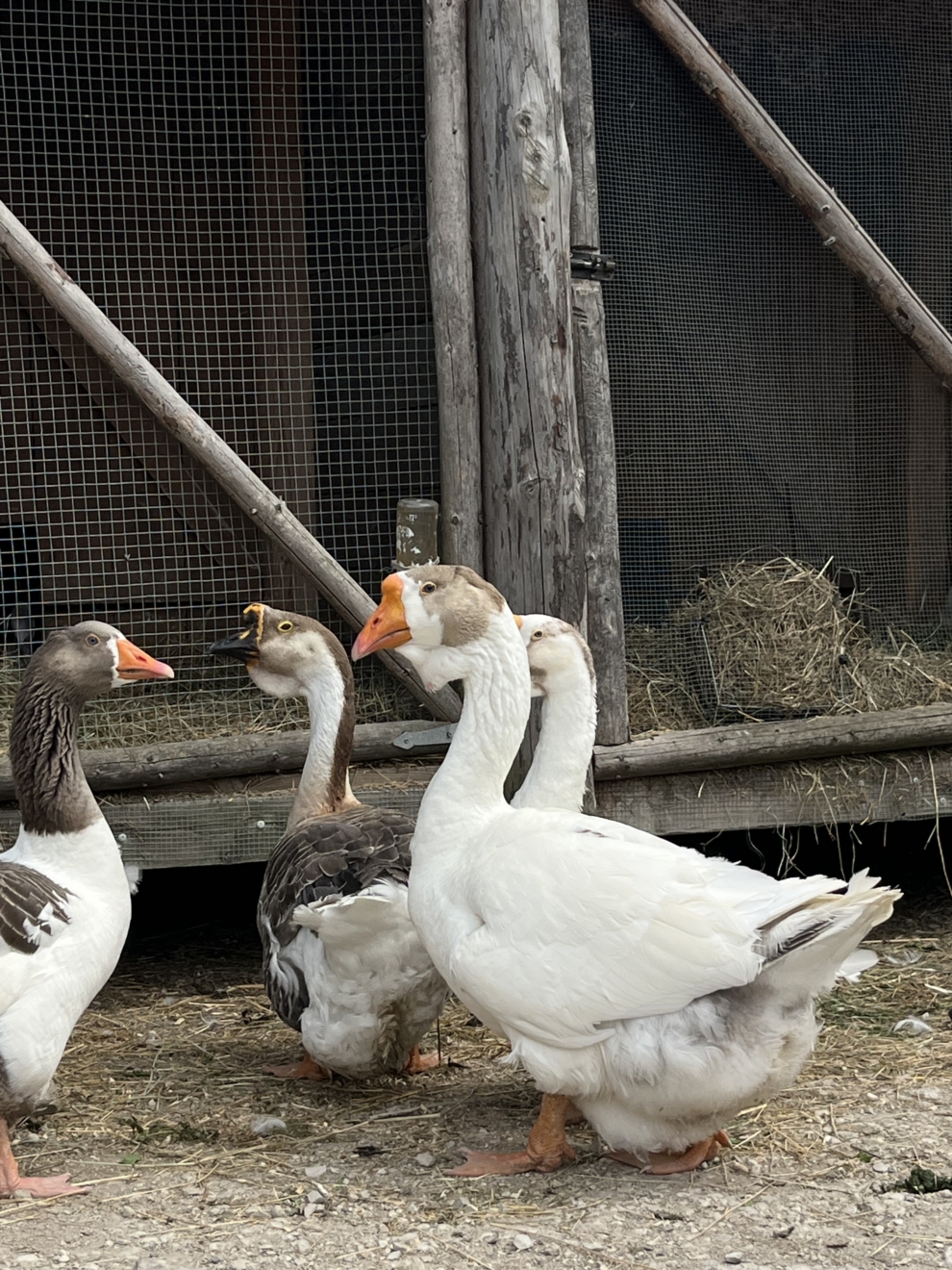
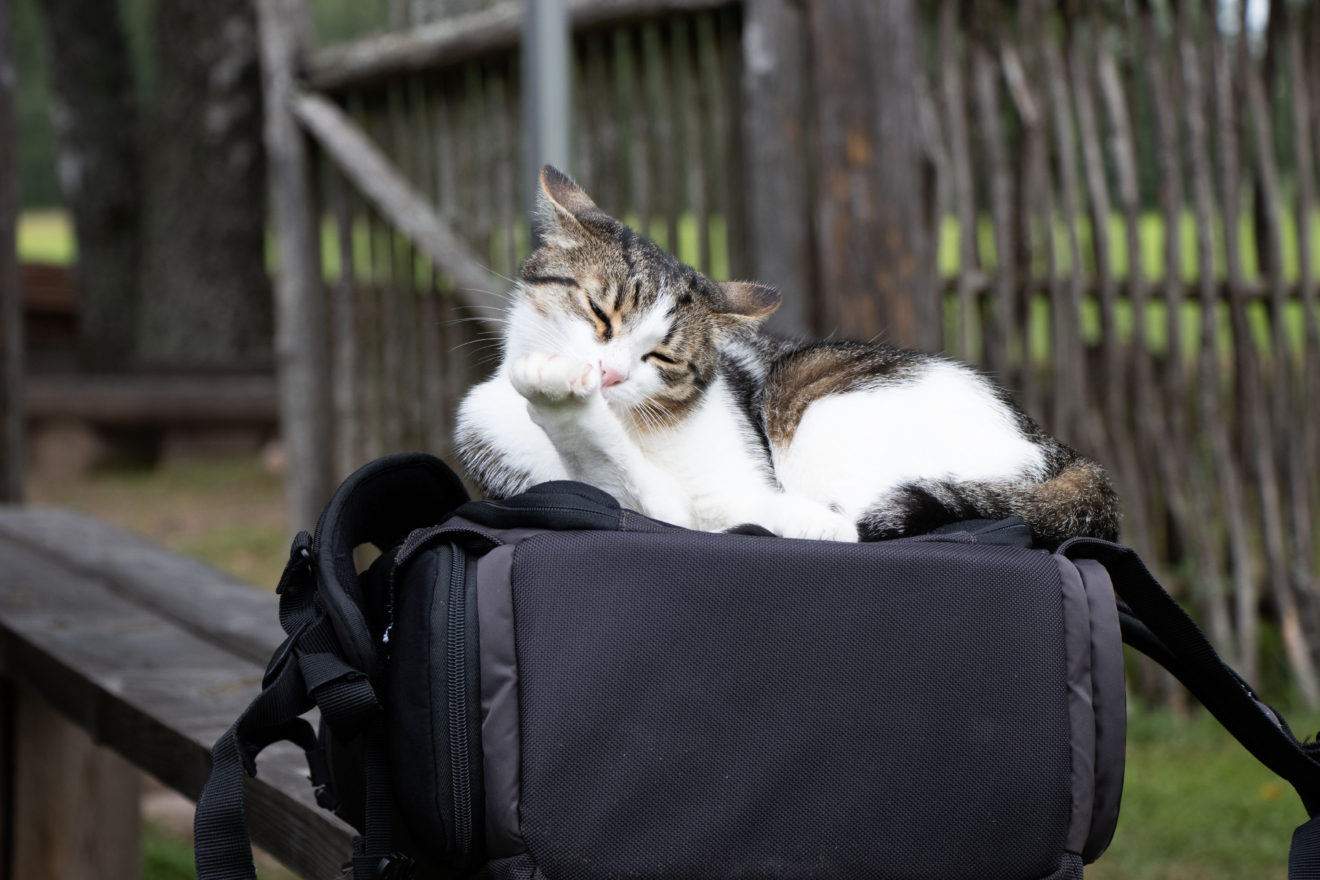
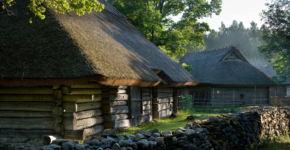
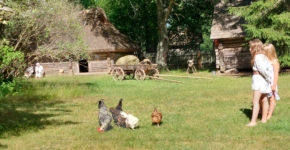
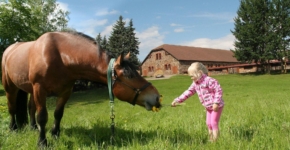
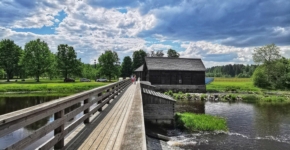
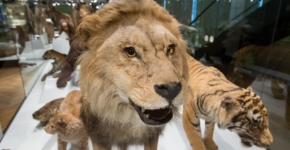
Museums aren’t just about artefacts — in some Estonian museums, animals live right alongside the exhibits.
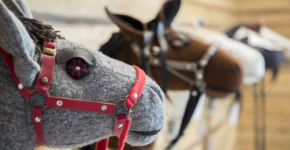
You might meet Columbus the donkey, Lotte the giant African snail, or ponies Tipp and Täpp.
These animals add a lively touch to the visit and are often a hit with both kids and adults. We’ve gathered a few spots where you can see them in person — and don’t miss our photo gallery for a sneak peek.
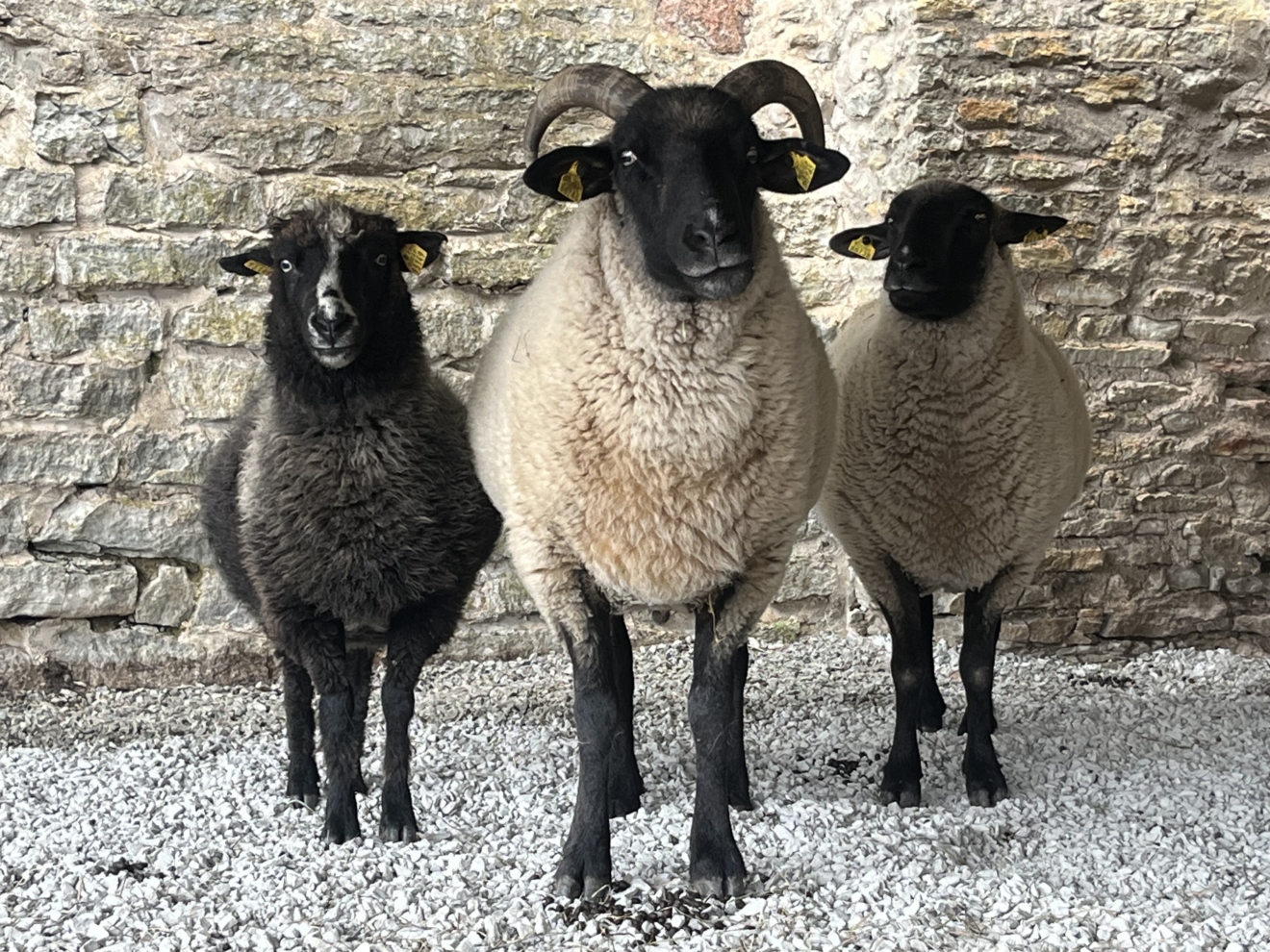
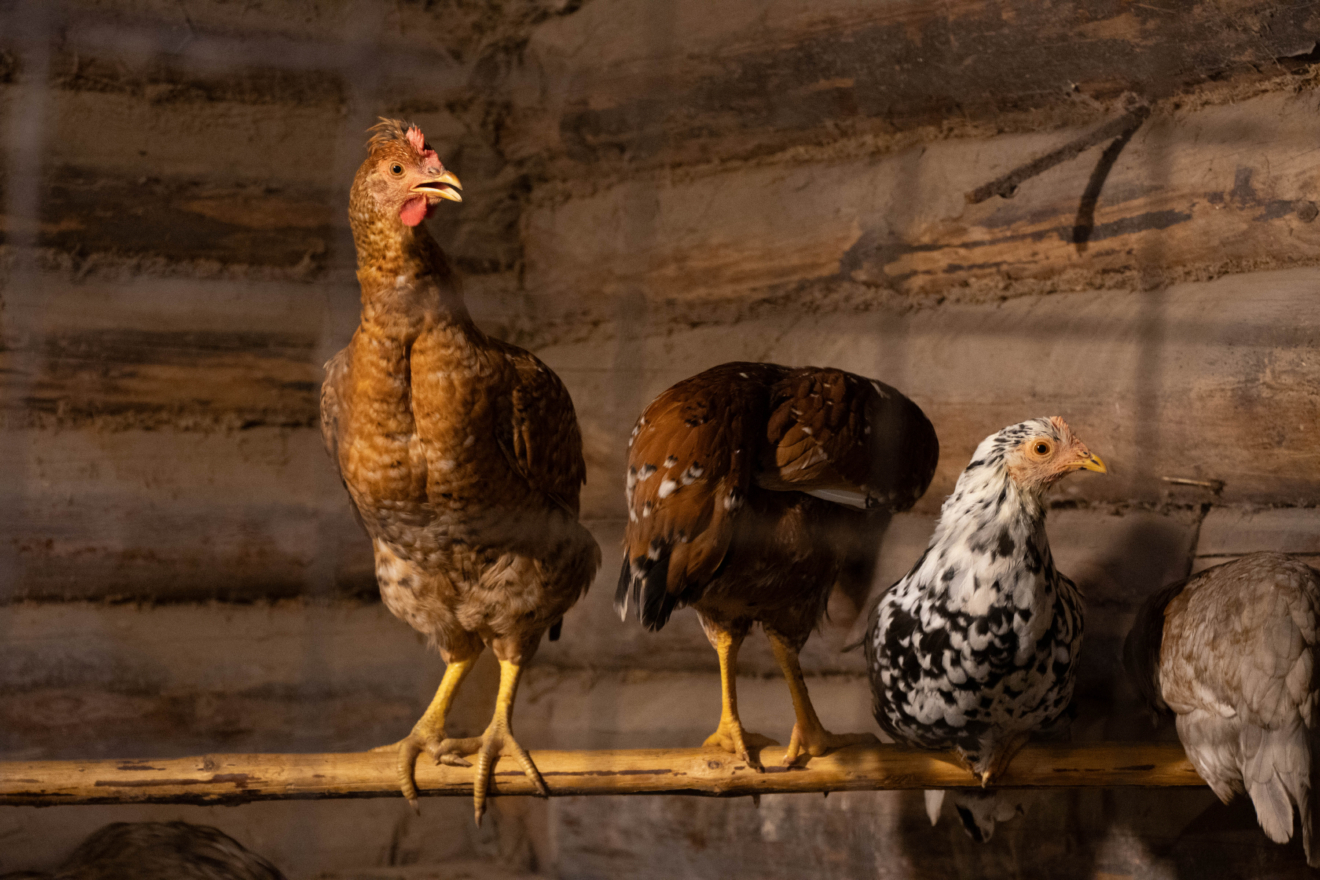
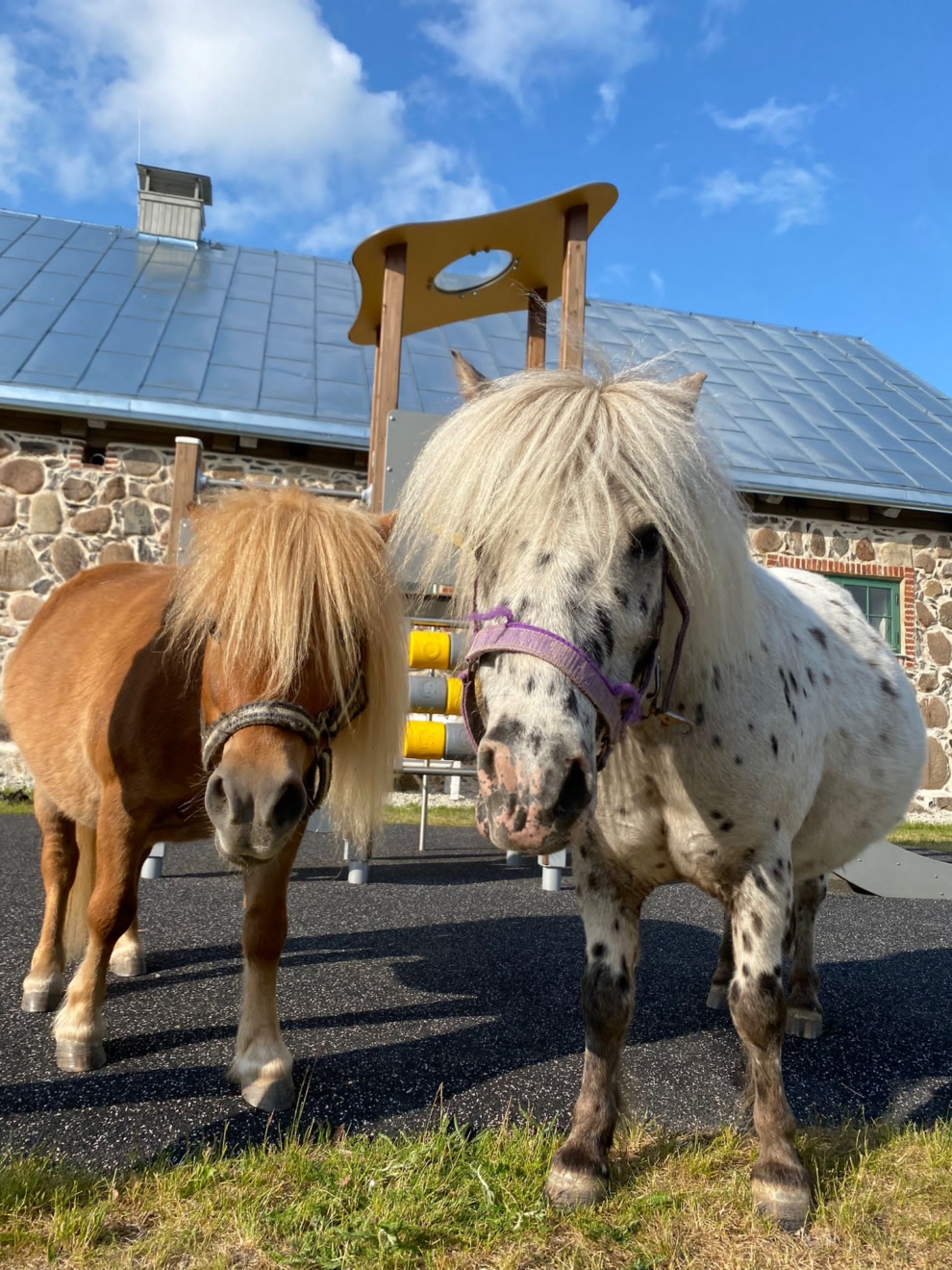
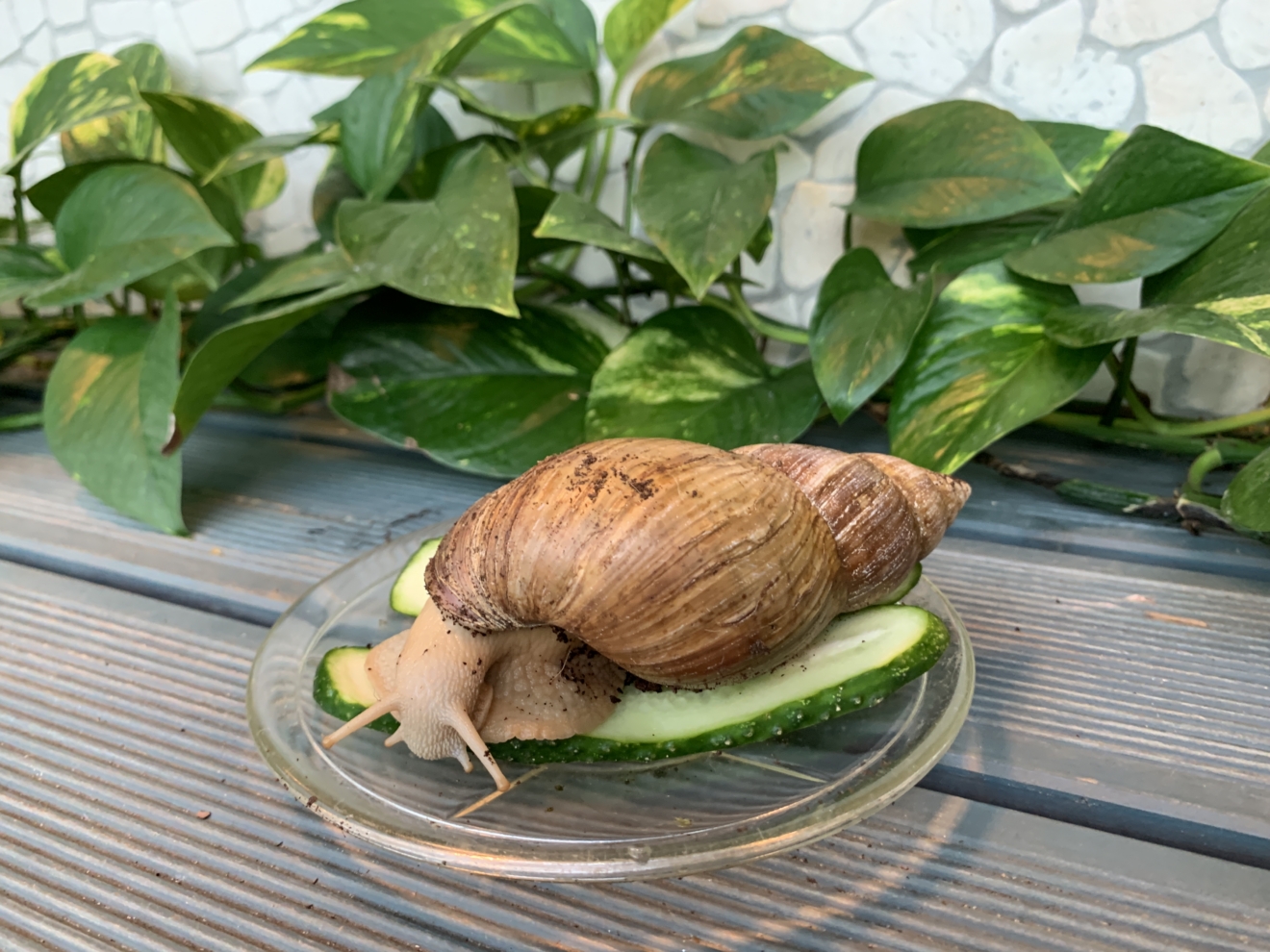
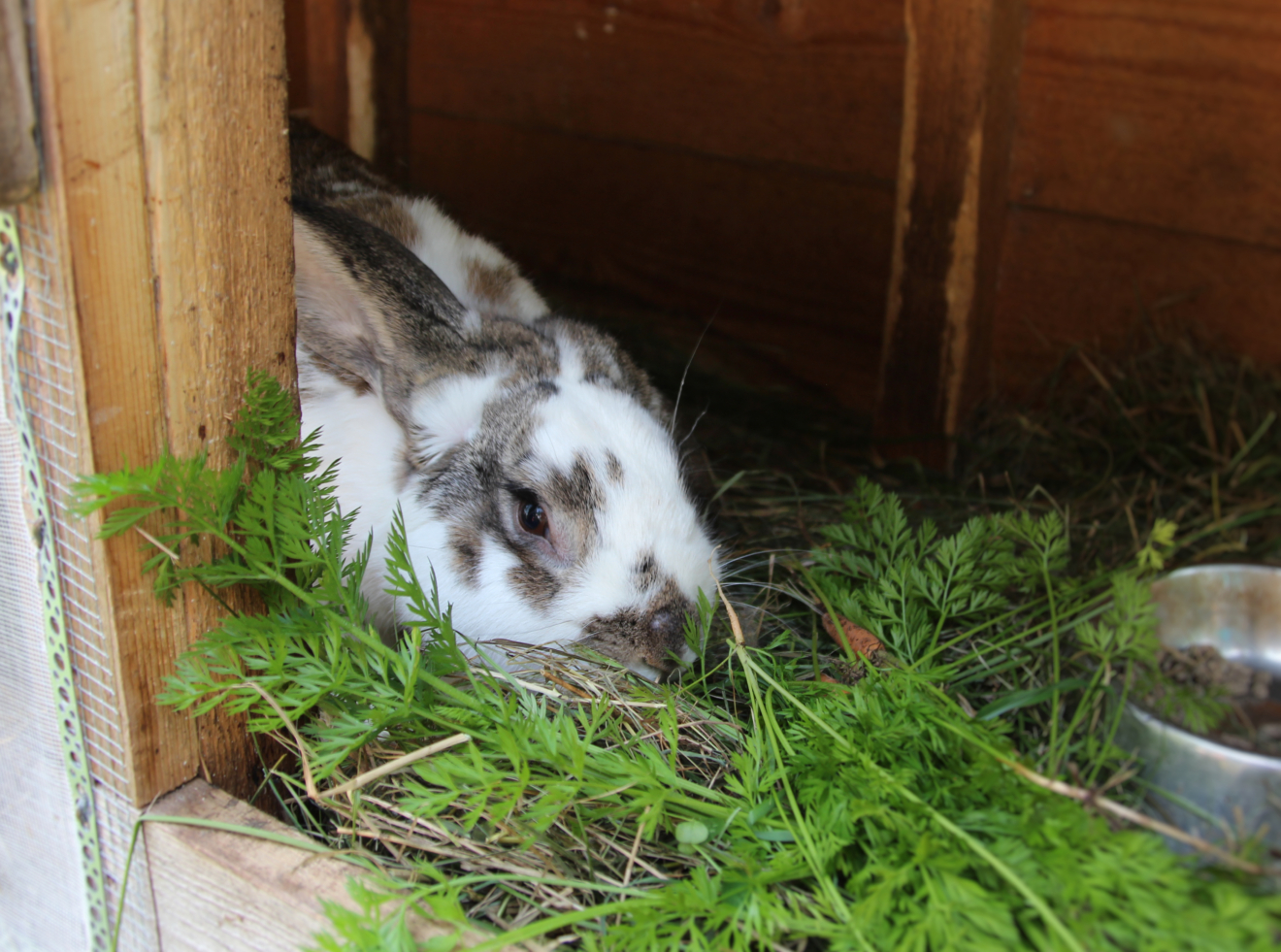
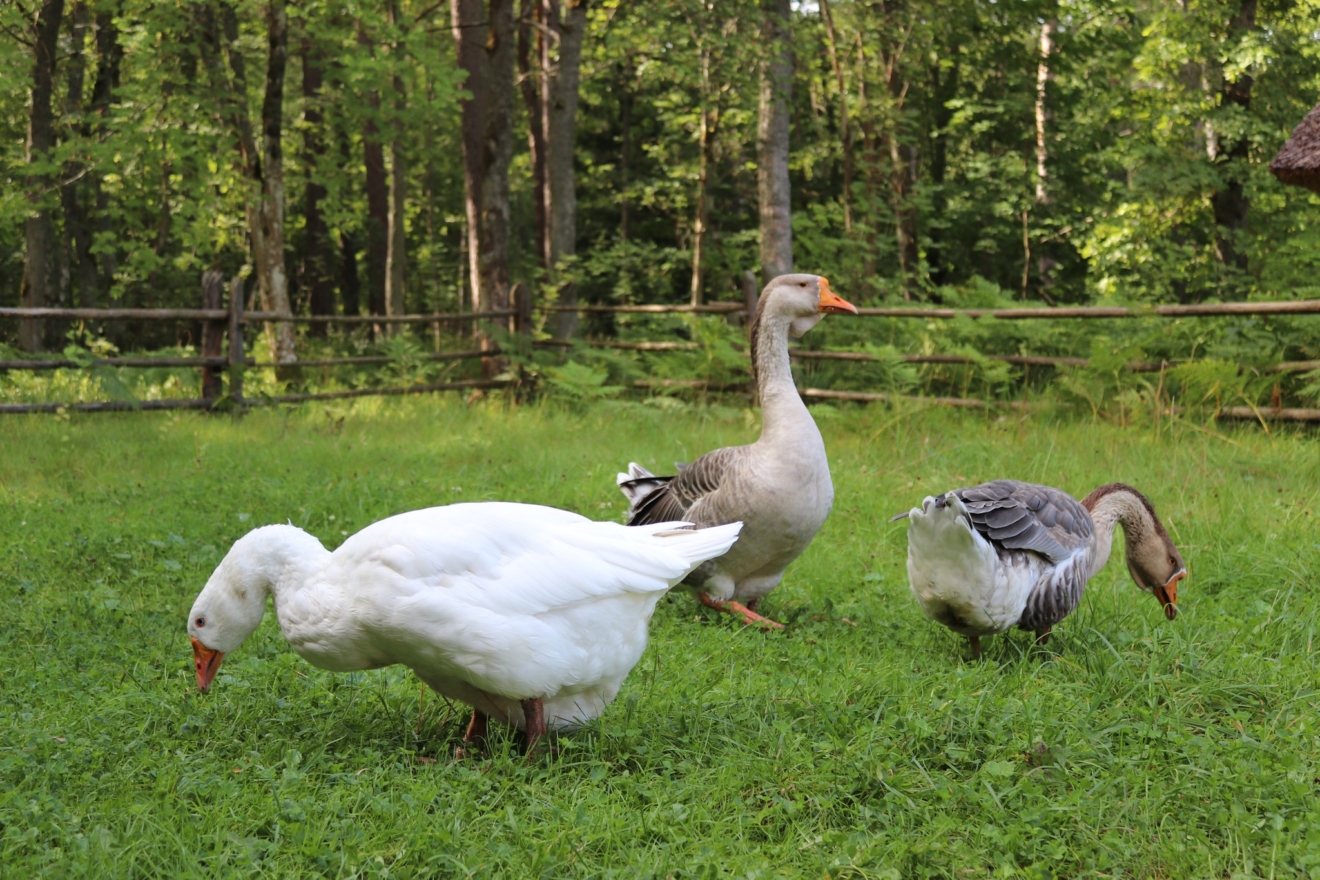
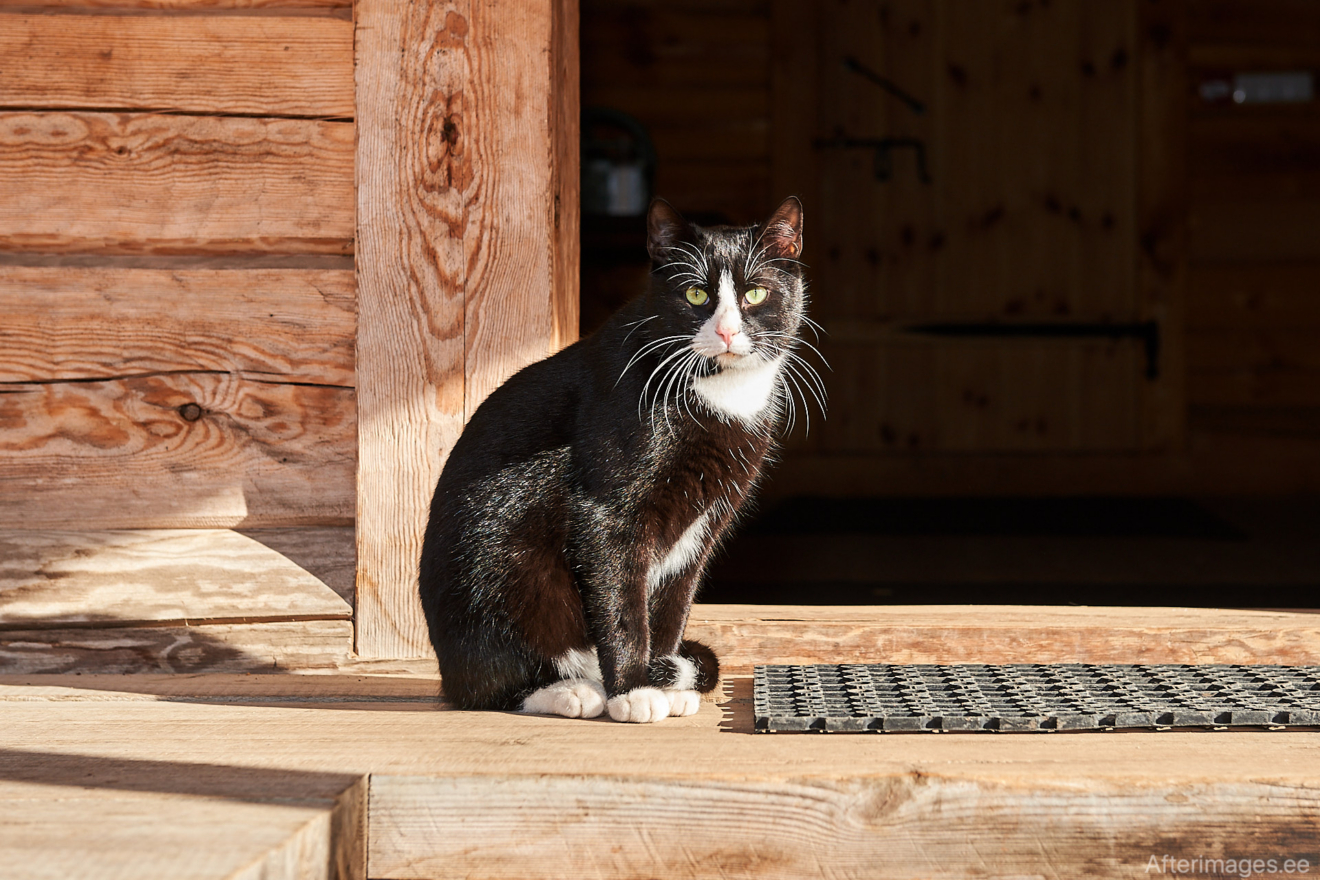
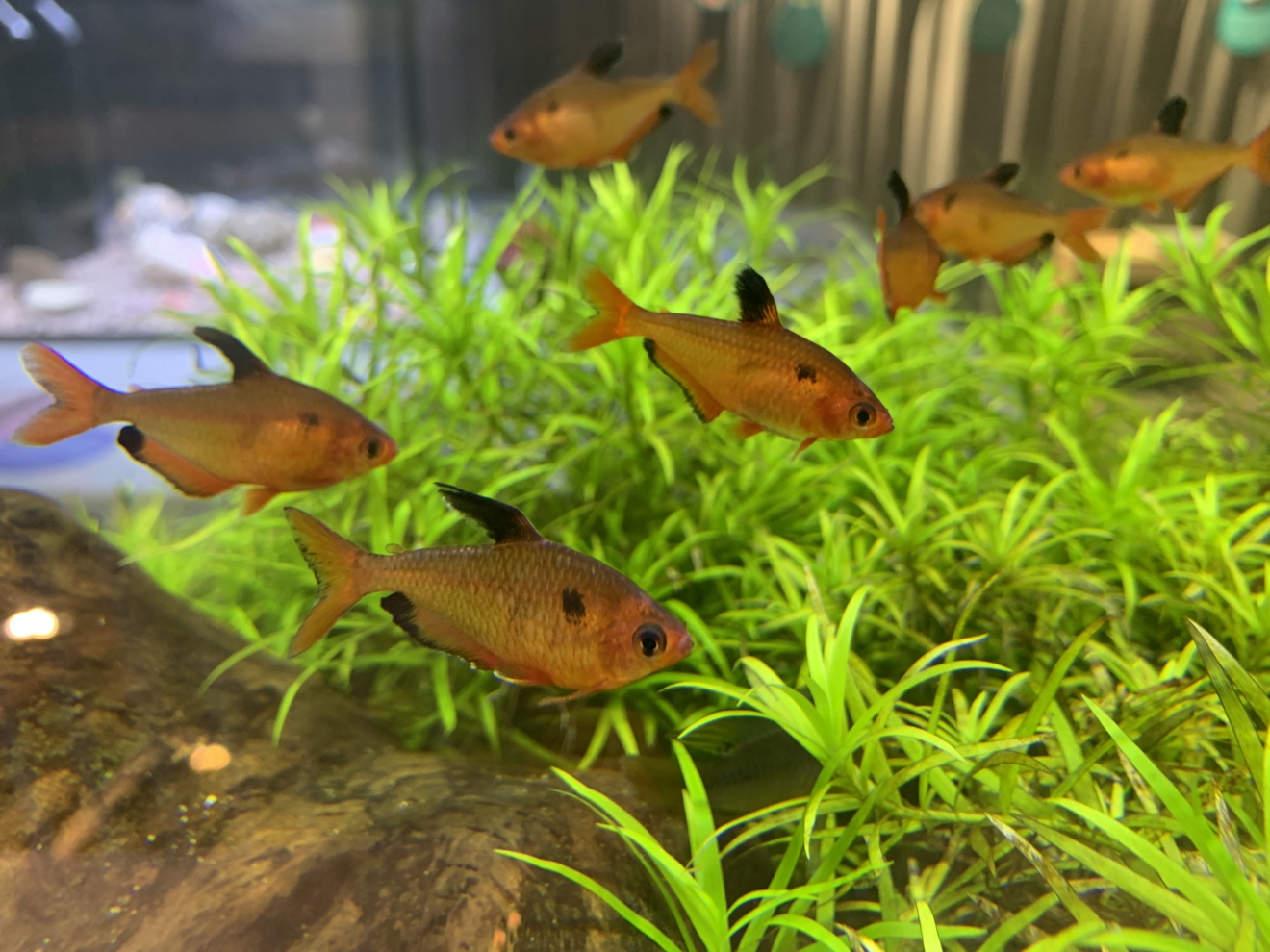
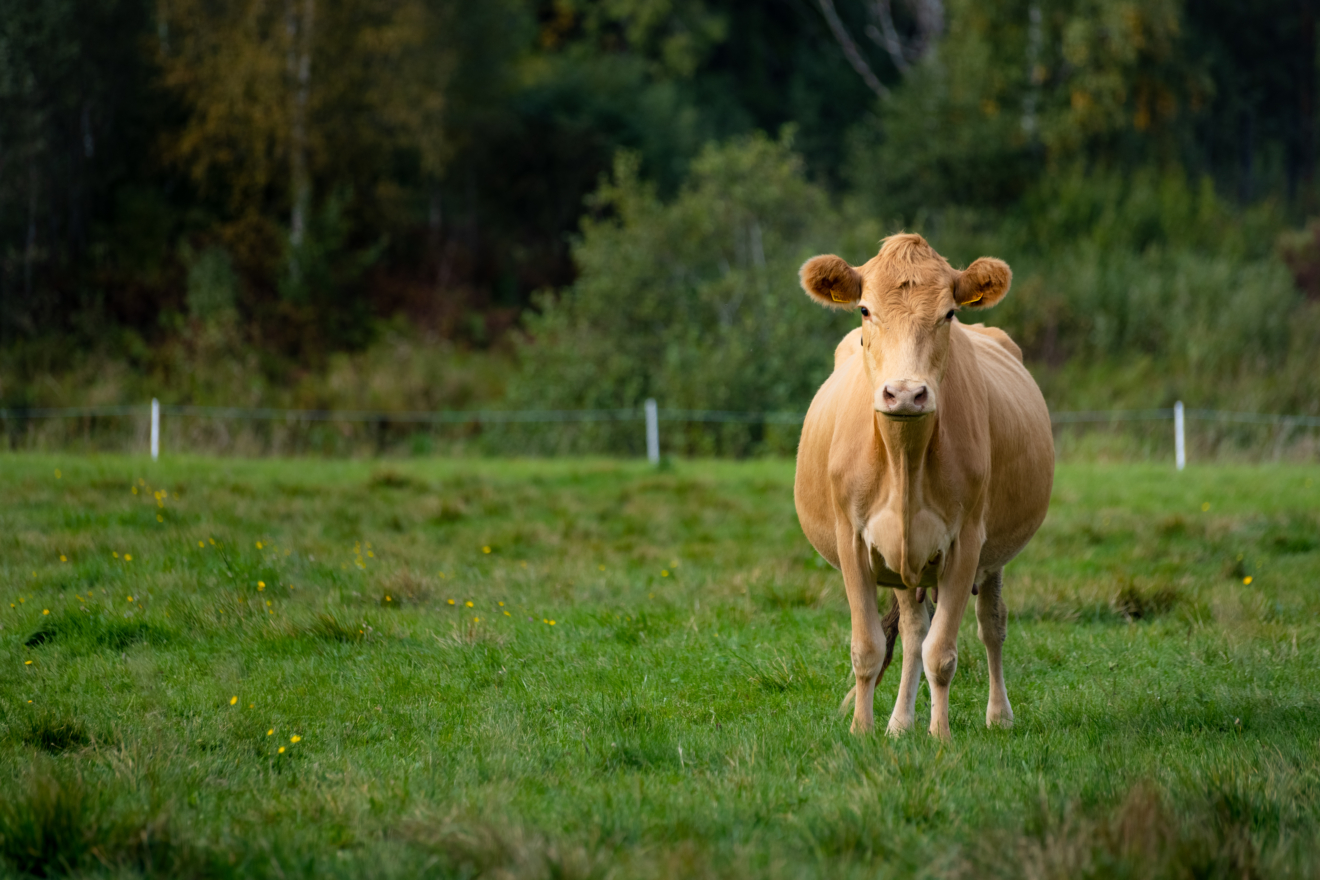
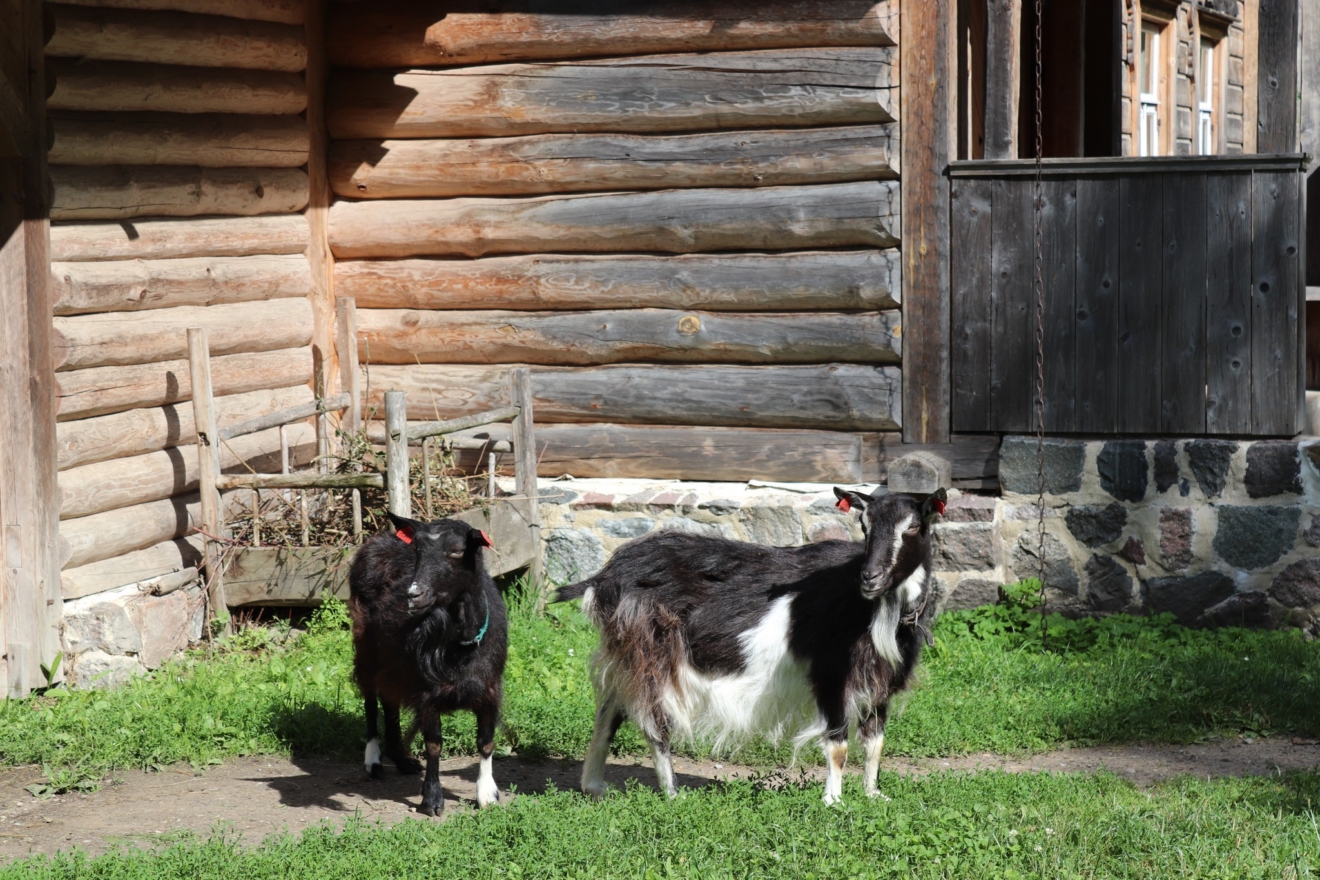
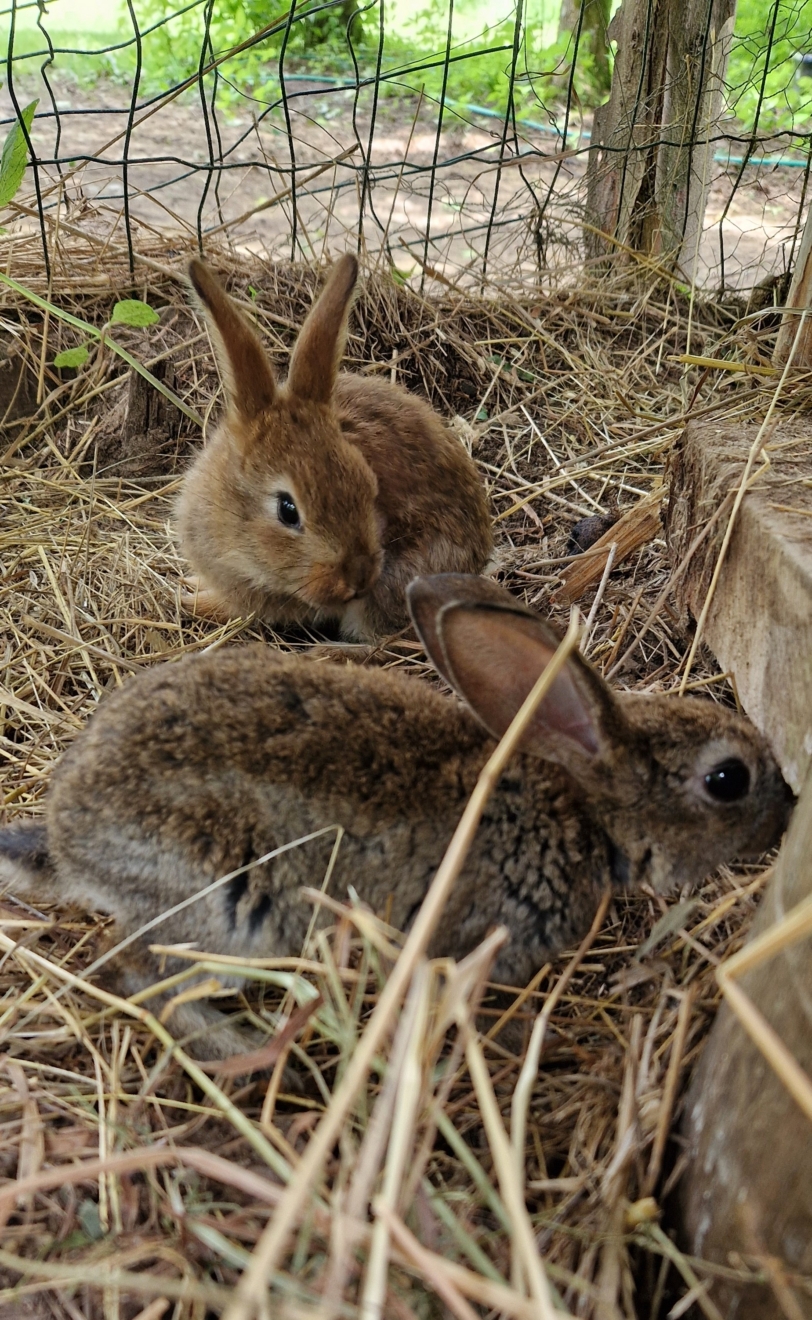
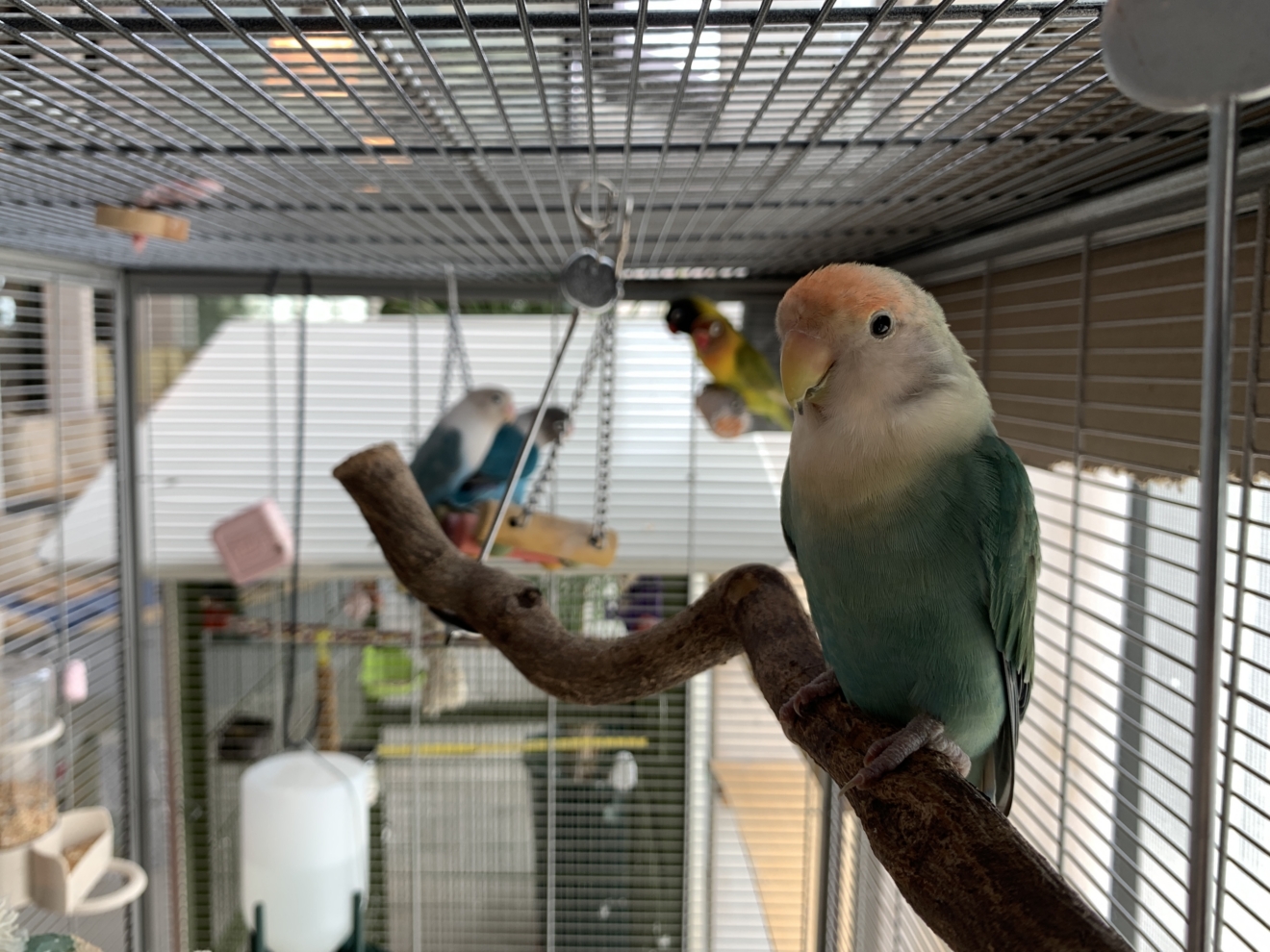
You can find animals here
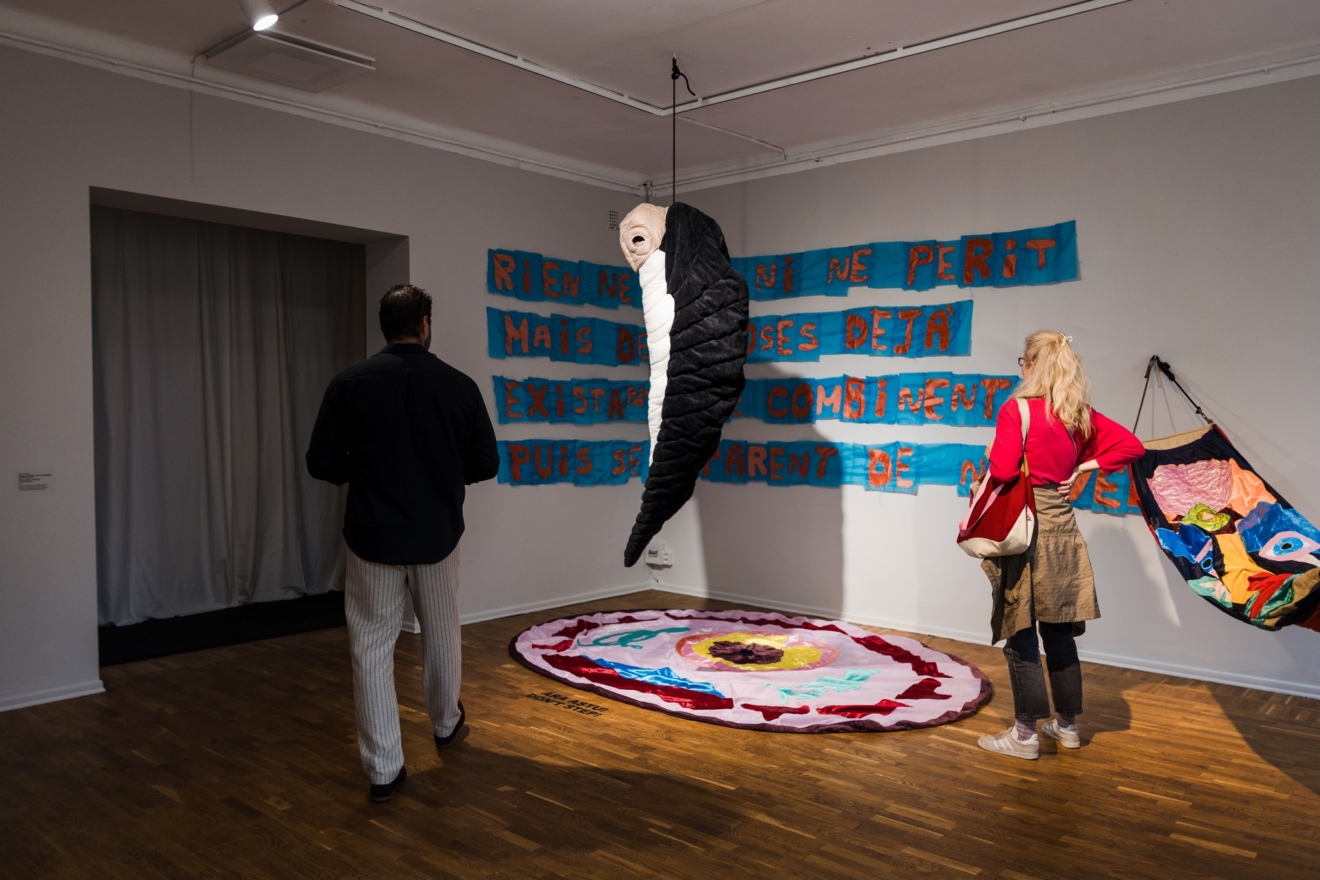
With the Museum Card, you can now visit the Padise Monastery Visitor Centre and the Tartu Art House!
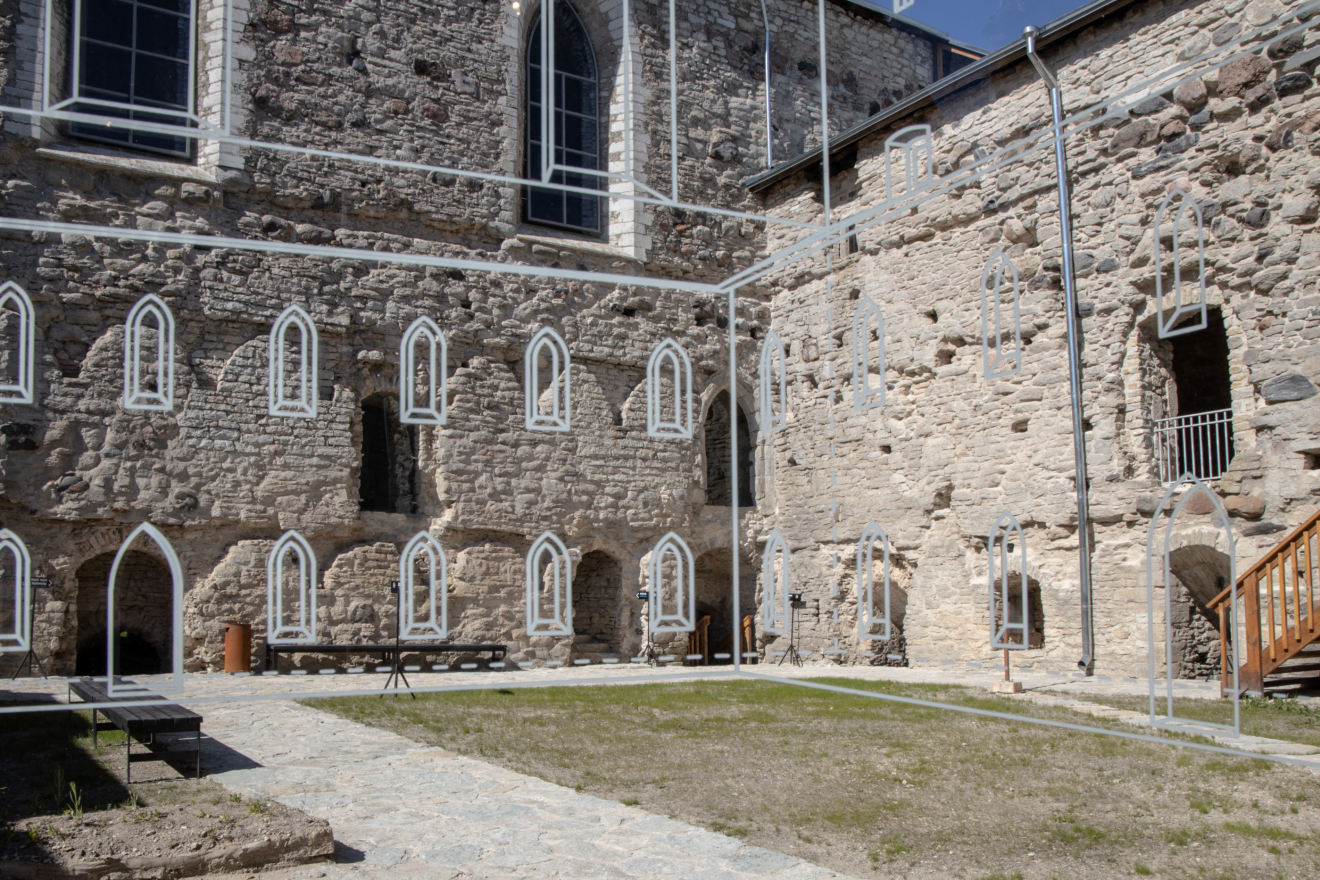
At the Padise Monastery Visitor Centre, you can explore the monastery’s long history and hear stories about the lives of the Cistercians.
The Tartu Art House invites you to enjoy 30 exhibitions by numerous artists annually.
New museums
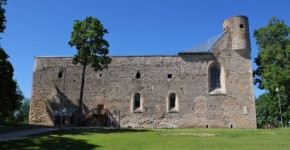
Padise Monastery Visitor Centre
Discover the Legacy of the Cistercians in Estonia The permanent exhibition “With Heart and Understanding” at Padise Monastery focuses on…
Read more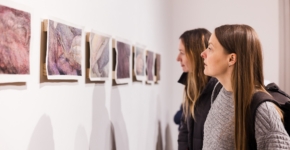
Tartu’s Home of Art The Tartu Art House is owned by the Tartu Artists’ Union, which has been organizing exhibitions…
Read moreNow, you can visit the Energia Discovery Centre and Planetarium, as well as the Nõmme Museum, with your Museum Card.
The Energia Discovery Centre and Planetarium are located in a historic power station with over 100 exhibits spread across three floors. Exciting science theater and planetarium shows, hands-on exhibits, various themed exhibitions, a spectacular lightning show, and a “hair-raising” demonstration are waiting for you.
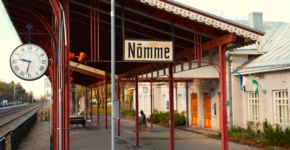
The Nõmme Museum is located in the historic Nõmme train station and showcases the development story of Nõmme as an independent town between 1926 and 1940. You will also learn how Nikolai von Glehn established Nõmme in the late 19th century.


New museums
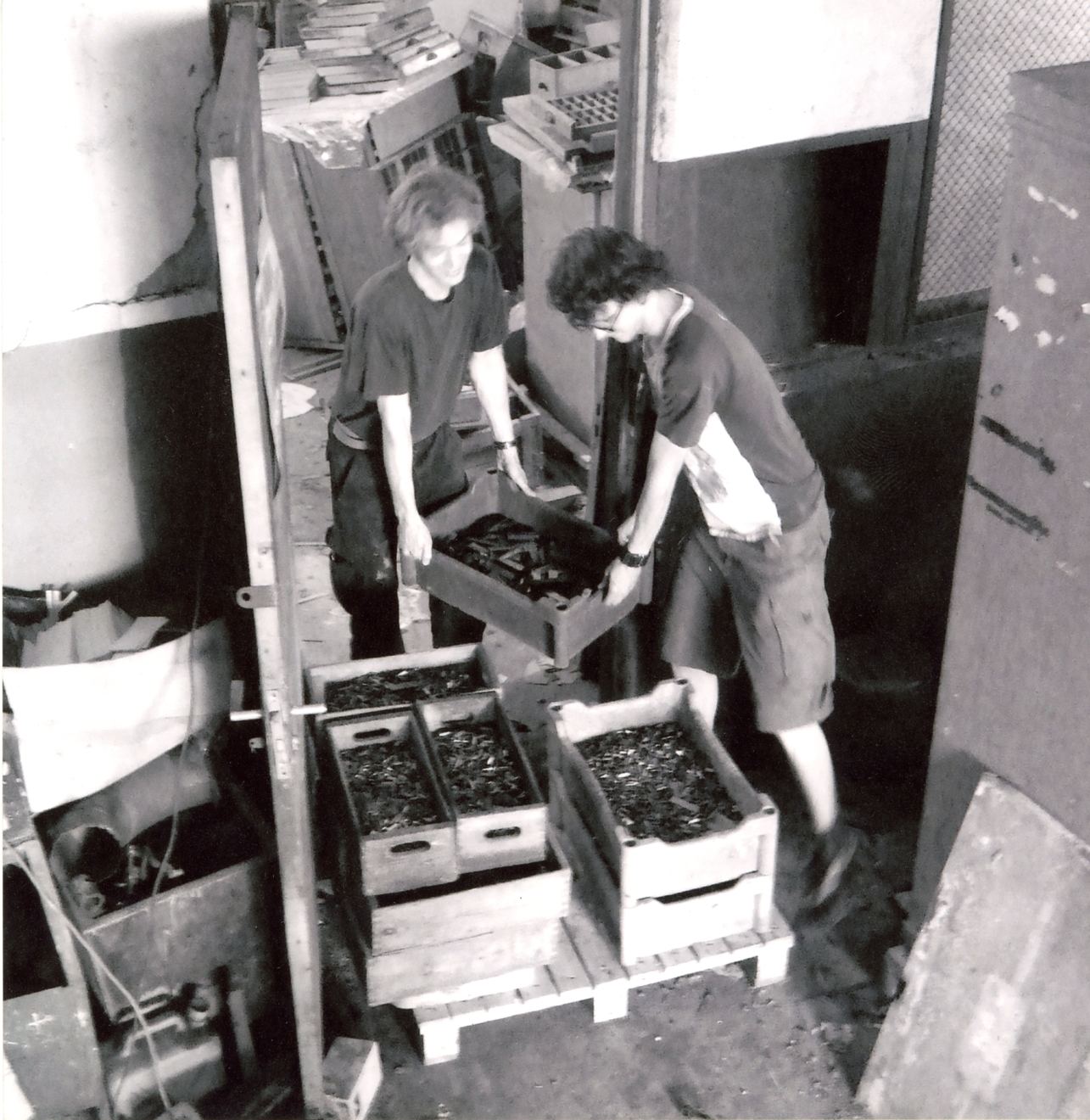
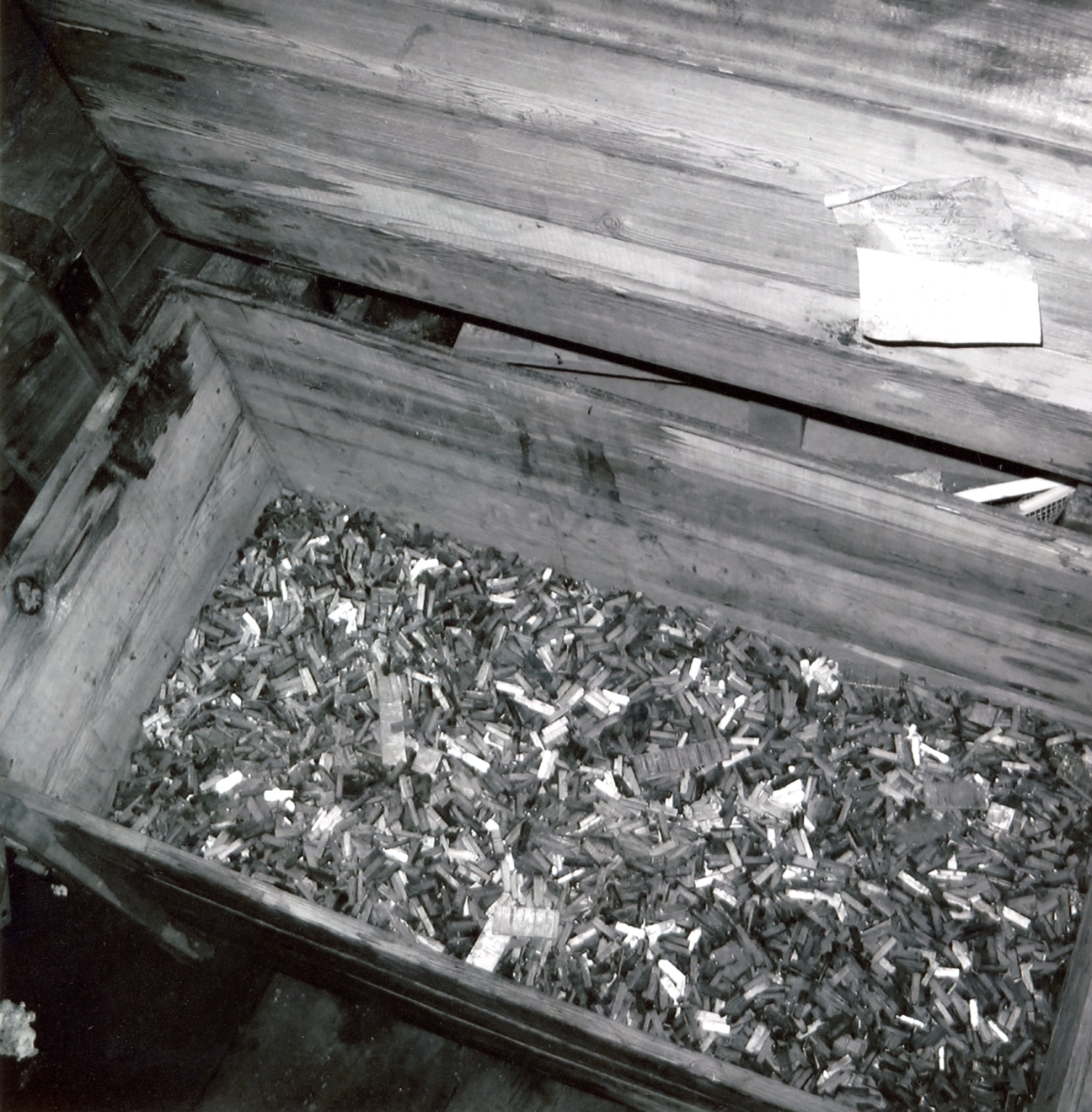
In 2006, the print house of the Riigi Teataja (The State Reporter) was closed in Tallinn, and the team of Polymer culture factory (one of the predecessors of TYPA) rescued the printing machines from scrap metal. The city could not decide what to do with this equipment, and while some of it was given to Polymer, a large part of the equipment was stored in the garage of the center of culture Kultuurikatel.
When The Printing Museum was founded in 2010, the museum researched the possibility of transporting the items to Tartu. However, despite several inquiries, the city of Tallinn was hesitant – until a tragic event occurred in 2011. During the construction works at the Kultuurikatel, some thieves noticed forty-eight boxes of alphabetically sorted metal type. In order to easily transport them to the scrap yard, the thieves tipped all the types together in one box. Fortunately, they were caught at this point, but it was clear that the print equipment could not be safely stored in the Kultuurikatel. The Printing Museum received a phone call from Tallinn: “Could you move everything out by the day after tomorrow?” In total, there were two truckloads of machinery, type, and furniture, but they managed to empty the garage within a few days. However, the jumbled piles of type, affectionately called ‘the onion heap’ by print workers, still adored TYPA today.
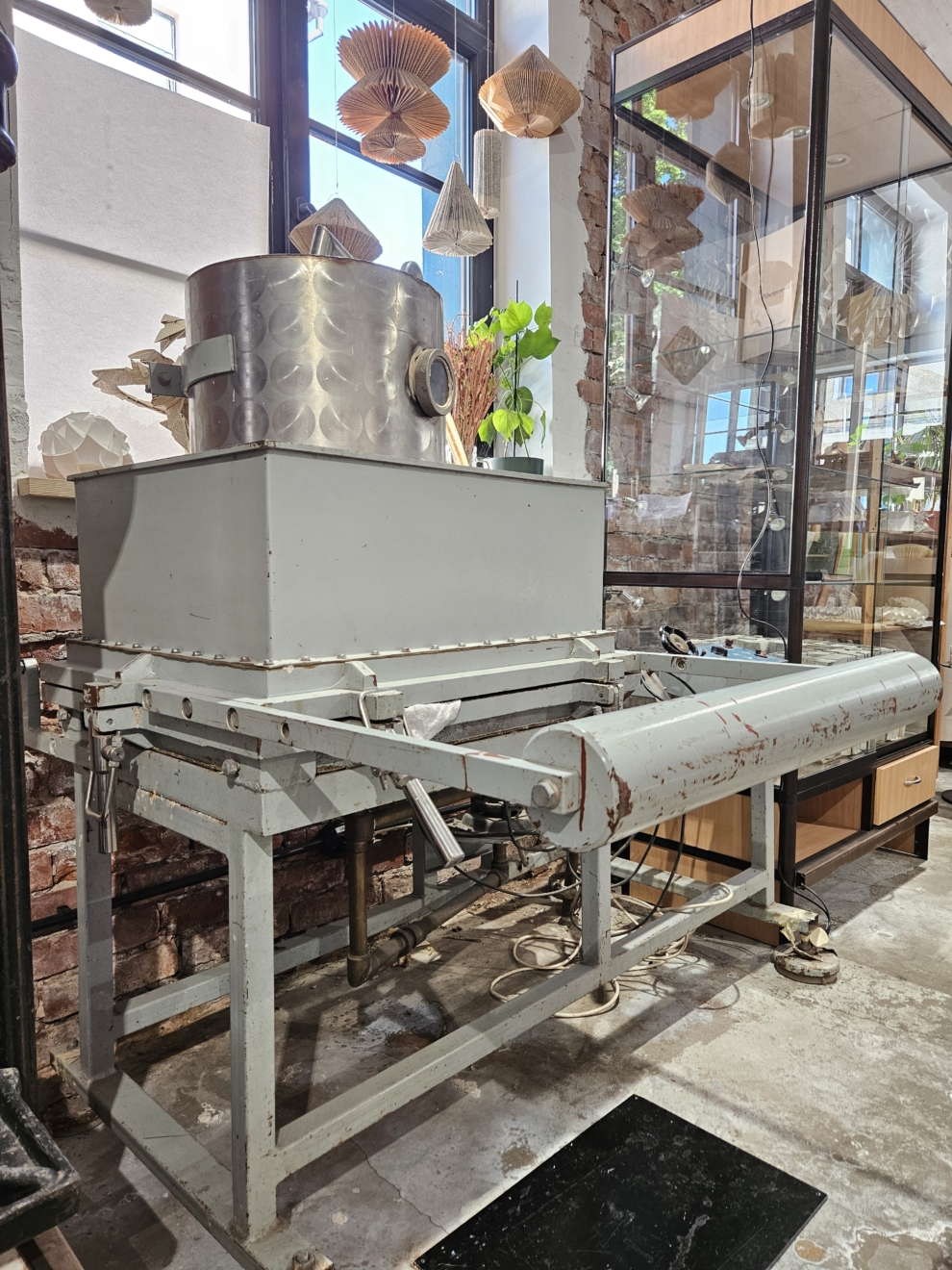
In the TYPA Printing and Paper Arts Center, you can see a leaf-casting machine produced in the experimental workshop of the University of Tartu in the 1990s. This machine was used in the library of the Tallinn Pedagogical Institute for book restoration. After the turn of the century, the machine was donated to the Estonian Academy of Arts, where it remained unused. On 25 May 2018, the machine was donated to the TYPA Centre by Taavi Tiidor, a representative of the EAA.
Experimental workshop at the University of Tartu
In the workshop, various machines were manufactured, e.g. in the fields of physics, chemistry, medicine, and restoration. The production of paper restoration machines was initiated at the university by Endel Valk-Falk (leather artist, restorer, and historian of binding). The workshop was located in the main building of the University until the fire in 1965. In 1967, it moved to Narva mnt 4. For a while, the workshop had temporary premises on Riia mnt. In 1999, the department officially ceased its activities as the University decided that the workshop was no longer needed. Nevertheless, orders continued to come in, as several museums needed them.
Production of leaf-casting machines
The machines were made with bronze frames because they were rust-resistant. The casting of the bronze frames was ordered from Tartu, but later, this option was not available, so frames from there, frames were ordered from the Tallinn shipyard.
Ado Jaagosild, a mechanical engineer and then (1959-99) head of the experimental workshop, was involved in the production of the leaf-casting machines. While he was in Tallinn, Jaagosild met a Danish restorer who had written a book on the subject, which helped him to build the machine. Information about the leaf-casting machines spread across the Soviet Union via the University of Tartu Library (the library was visited by guests from all over the Union who spread the word). Orders also came from all over the world.
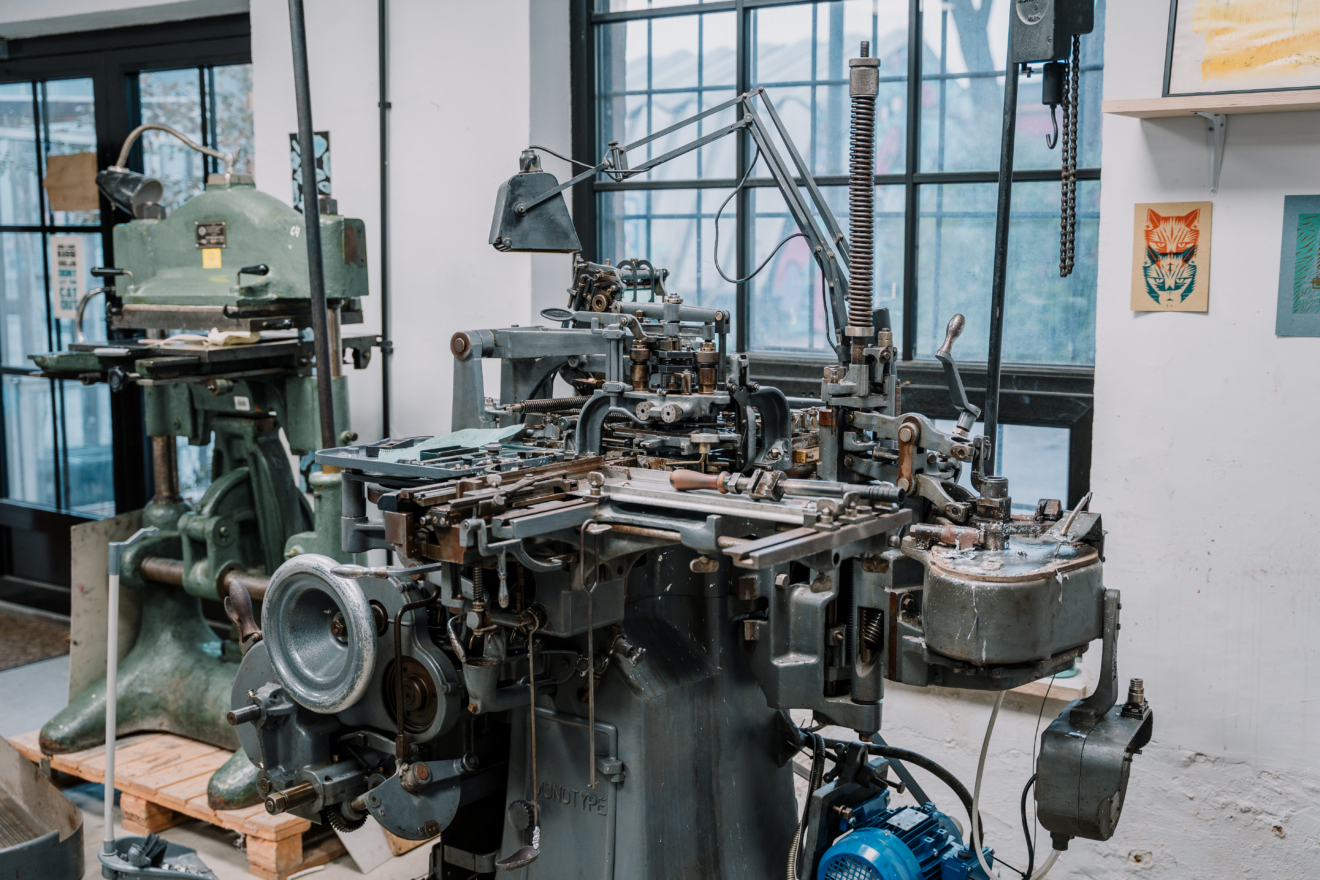
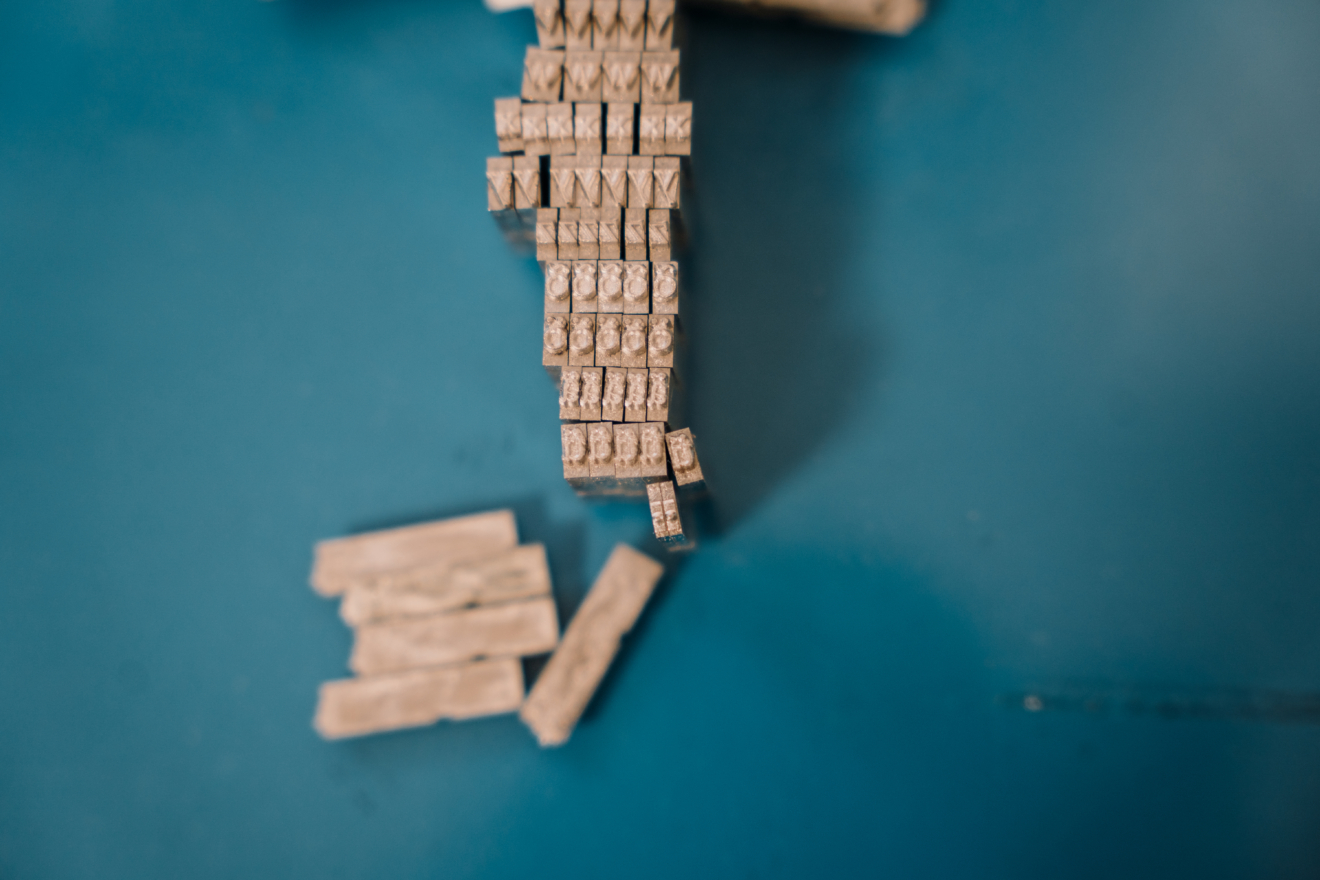
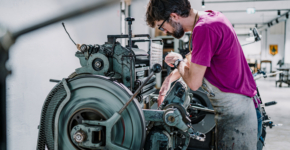
In the old days, texts were composed of lead letters before printing. Johannes Gutenberg, the forefather of the art of printing, was also the first to cast lead type. The lead letters were arranged in rows, forming columns and pages. At the end of the 19th century, the first typesetting machines – the linotype and the monotype – were introduced, which made typesetting much faster. The workings of these machines can be seen at the TYPA Printing and Paper Art Center, where, in 2023, a unique room in Estonia and the Baltic States was furnished for the purpose of observation.
Although TYPA also has many old lead letters for hand-composing, the museum’s team had long wanted to find a way to replace them with new letters, which would not be a pity if they suffer from wear and tear. Thus, machine typesetting will help cast new letters and preserve historical letters.
TYPA linotypes and monotypes
There are currently 3 linotypes and 3 monotypes in the TYPA center, which arrived at the museum differently. The N-14 is a Soviet copy of the Linotype. In the former Karl Mattiesen printing house on Vallikraavi Street in Tartu, this machine was still used in 1996. The Linotype model 4b was manufactured in 1926 in Berlin, Germany. However, it arrived at TYPA in early 2020 as a donation from the Buchdrucklabor, Leipzig’s book and graphics center. The third machine, Linotype model 10a, also made in Germany, arrived in 2023 as a gift from the Finnish company Grafica. The special feature of this Linotype is the 4 interchangeable magazines (matrix cases) that can be used simultaneously, mixing different typefaces in the text.
One of TYPA’s monotypes also comes from the printing house of Karl Mattiesen – Hans Heidemann in Soviet times. The time of its production and arrival in Estonia is unknown, but the last time the monotype worked in the print shop on Vallikraavi Street was in 1995. For quite a long time, this monotype was not in working order until 2023, when it was repaired by TYPA technician Jörgen Loot and monotype expert from England Ian Gabb. In the same year, TYPA received 2 more monotypes donated by the family of English poet and printer George Miller. All these machines are now in the TYPA center, where they are occasionally put into operation and used!

No matter what age your children are – you will definitely find a wonderful museum in Tartu and its surrounding region. There is a lot to discover, both indoors and outdoors, and even the stars in the sky are part of the display.
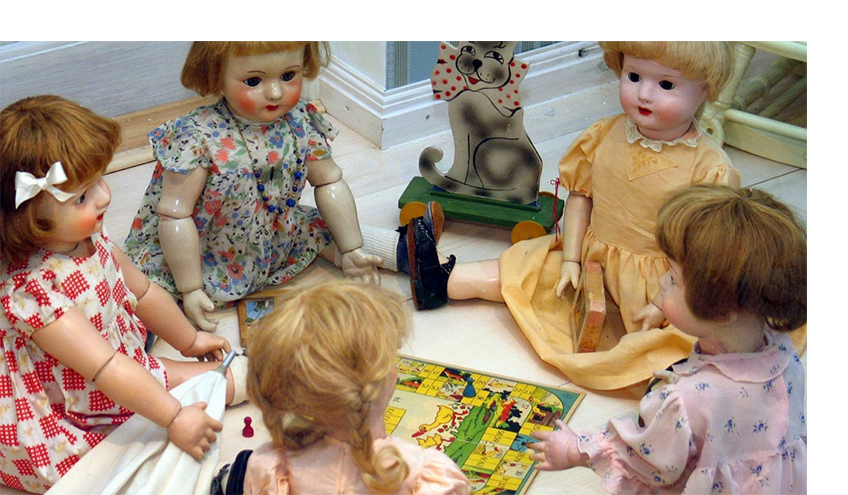
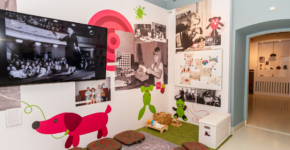
When visiting Tartu with children, you cannot miss the Tartu Toy Museum in the old town. We were all once children, so the museum is also suitable for older youth and for adults to get nostalgic and to regale fellow visitors with their memories.
The Estonian Sports and Olympic Museum is located within walking distance of the Tartu Toy Museum, where sports lovers of all ages can find plenty of new knowledge and activities. Here, you can get to know Estonian sports heroes and, for example, try various extreme sports in virtual reality.
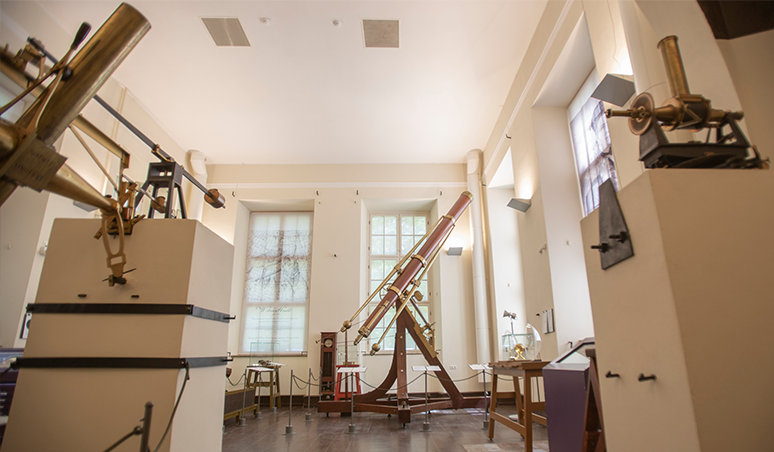
It often happens that children are able to look at the world from a broader perspective than adults and express curiosity in what lies beyond the planet Earth. The Tartu Observatory is a unique place where children can learn about astronomy, geodesy, and seismology. And, of course, any adult who visits with their children will also inevitably become fascinated by these sciences.
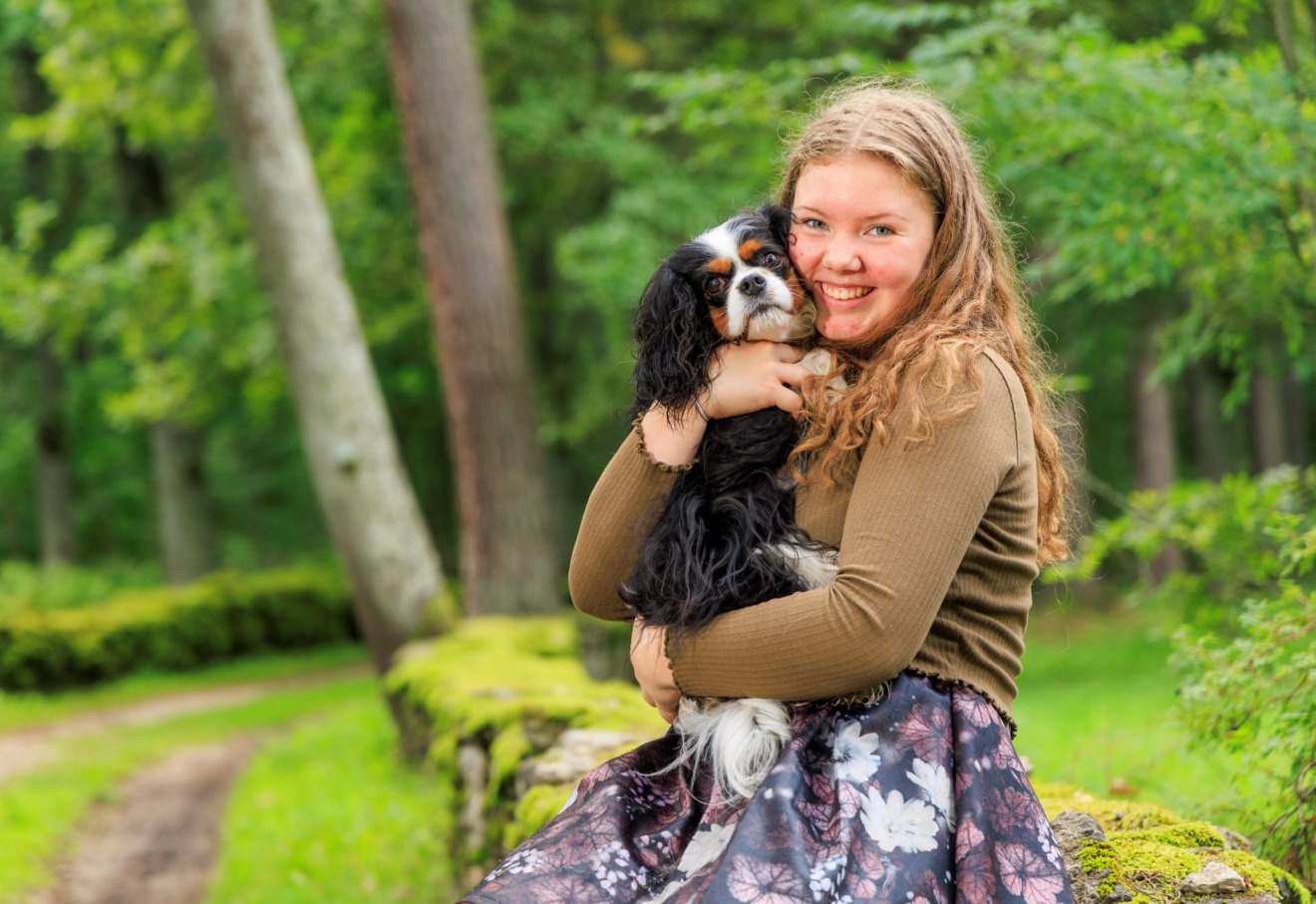
Many people travel as part of everyday life, and four-legged friends are often brought along. However, not all places are accessible to them. We have gathered information on which Estonian museums allow well-behaved dogs.
Before visiting a museum, it’s important to familiarize yourself with its rules. Some museums allow only small lap dogs or dogs the owner keeps on a leash or in a carrier. Some museums permit dogs only in specific exhibitions or buildings. Like other museum visitors, dogs should be well-behaved, and it’s the owner’s responsibility to ensure this during the visit.
“In addition to being a novel experience for humans, a dog must also adapt to new smells, people, and experiences when visiting a museum. Make sure your pet is well-fed, take breaks if necessary, and allow enough time for your dog to get used to the new environment before the museum visit,” advises dog trainer Urve Lageda.
We wish you and your pet genuine museum experiences!
You will find the list of dog-friendly museums below.👇
Museums where dogs are allowed
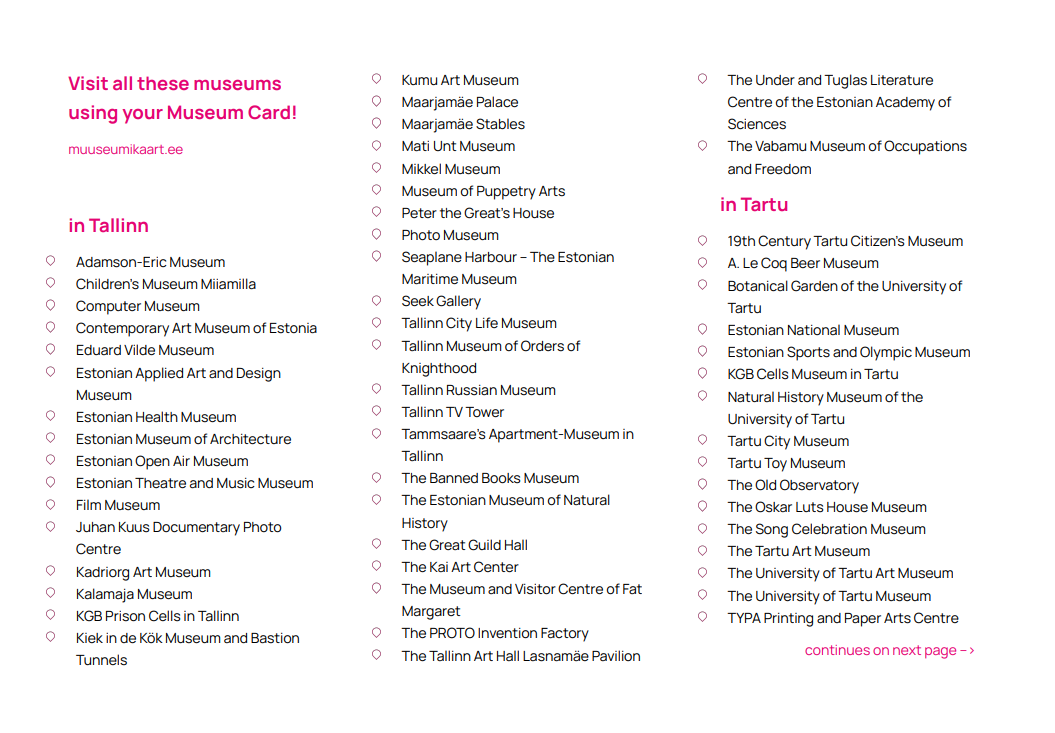
The most enthusiastic Museum Card users asked us to list all the museums that can be visited for free with the Museum Card.
Here is the list! Print out this list, put it in your travel bag, and you will always have in front of your eyes the next Estonian museums, galleries, and experience centers you could go to.
Printable file can be found HERE.
Visit free with a Museum Card!
The Under and Tuglas Literature Centre of the Estonian Academy of Sciences
Väikese Illimari 12, Tallinn
Virtual Time Travel Experience “VR Toila 1938”
Oru park, Lossiplatsi 3, Pühajõe, 41716 Ida-Viru maakond
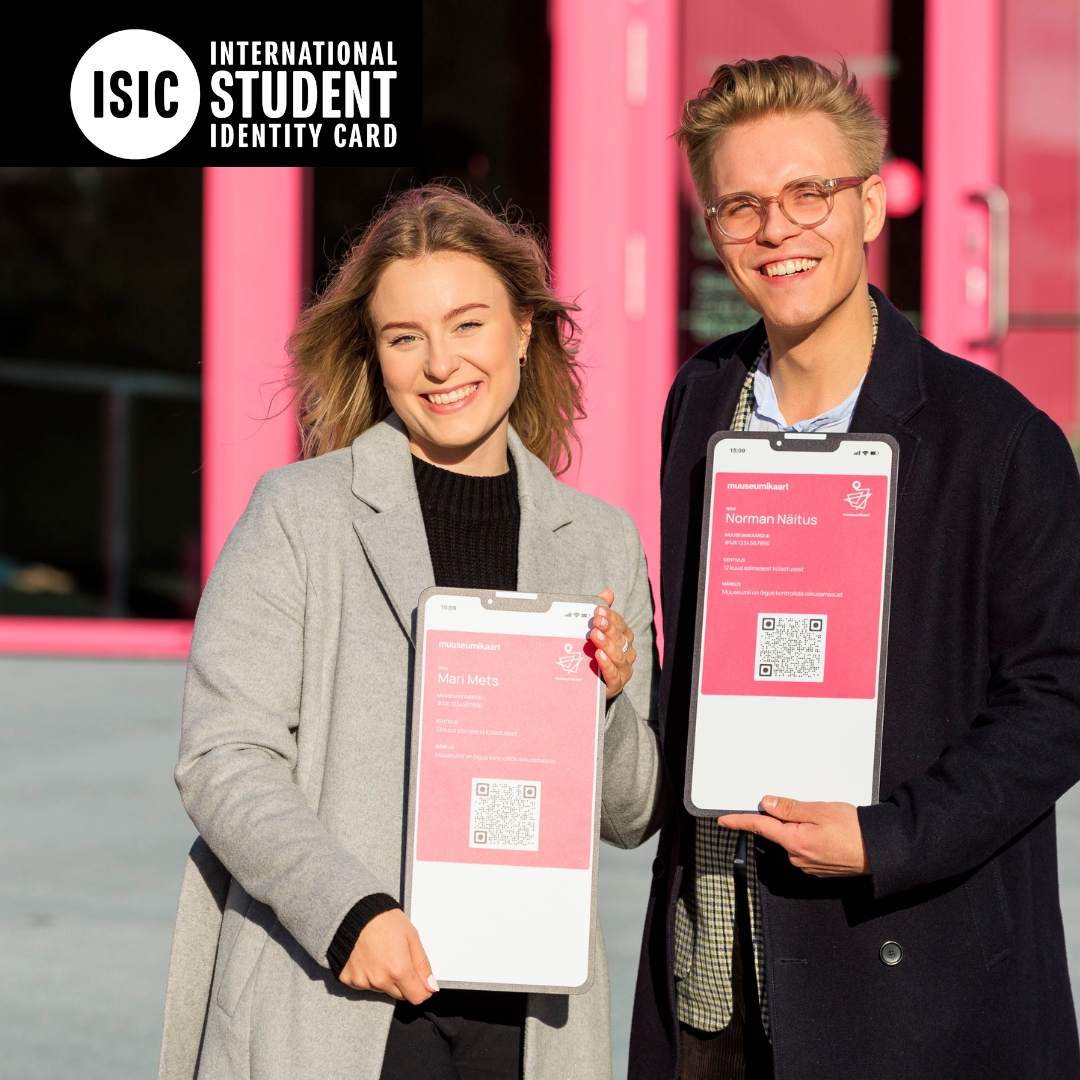
You can purchase the Museum Card at a discounted price -15% if you have a valid ISIC, ITIC, or IYTC card. To avail of the discount, use the discount code displayed on the ISIC Benefits smartphone app and the ISIC website, managed by the Estonian National Union of Students.
To use the discount code:
- Visit the website https://muuseumikaart.ee/en/buy-museum-card.
- Add the Museum Card to your shopping cart.
- Enter your contact information.
- Enter the discount code in the designated field.
- You can find the discount code -15% HERE.
Note: This discount code valid only on our web and cannot be used to purchase the Museum Card as a gift.
Visit free with The Museum Card
The Under and Tuglas Literature Centre of the Estonian Academy of Sciences
Väikese Illimari 12, TallinnVirtual Time Travel Experience “VR Toila 1938”
Oru park, Lossiplatsi 3, Pühajõe, 41716 Ida-Viru maakondFor art lovers wandering around Tallinn and Harjumaa, who have already discovered each of the branches of the Estonian Art Museum, we recommend taking a trip to the home of Estonian sculpture superstar Amandus Adamson, as well as exploring the history of applied art and design, and, of course, photographic art, which is represented in several fascinating galleries.
Amandus Adamson Studio Museum: look into the eyes of Russalka
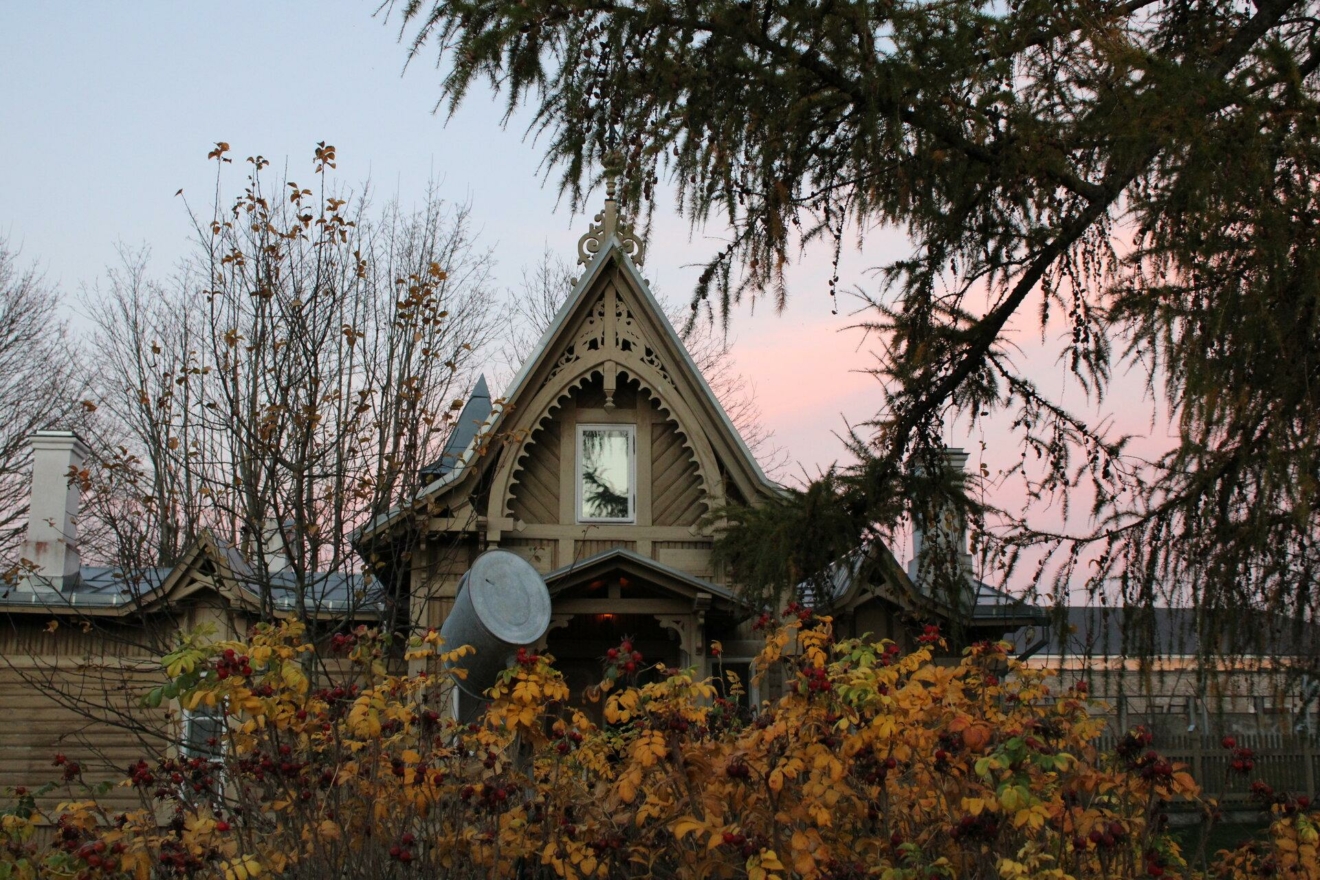
At first glance, it doesn’t seem logical that taking the train to Paldiski is the best way to see Russalka, the angelic female figure overlooking Tallinn Bay, which is the most famous sculpture by Estonia’s most famous sculptor Amandus Adamson. But it is in this former military town that the Amandus Adamson Studio Museum, with its crazy architecture, is hidden in the shadow of Soviet-era five-story silicate brick building. The 3D images of his famous sculptures found here make the impossible possible – allowing you to look deep into the eyes of Russalka.
Here, in the former summer studio of the sculptor, you can explore his personal items, books, and photographs, and familiarize yourself with his artwork, which is exhibited digitally. Even if the sculptures, which are located all over Estonia and belong to the collections of many different museums, could be brought together to Paldiski, there would still be no way to display them: the studio is just 60 square meters. Yet it still holds 11 different rooms! There is no indication that Adamson involved a professional architect in the design of his studio and looking at the floor plan, it also seems highly unlikely.
Next to the studio house, there is a modern building that houses changing art exhibitions.
The Photo Museum: modern art reveals itself behind the shadows of old exhibits
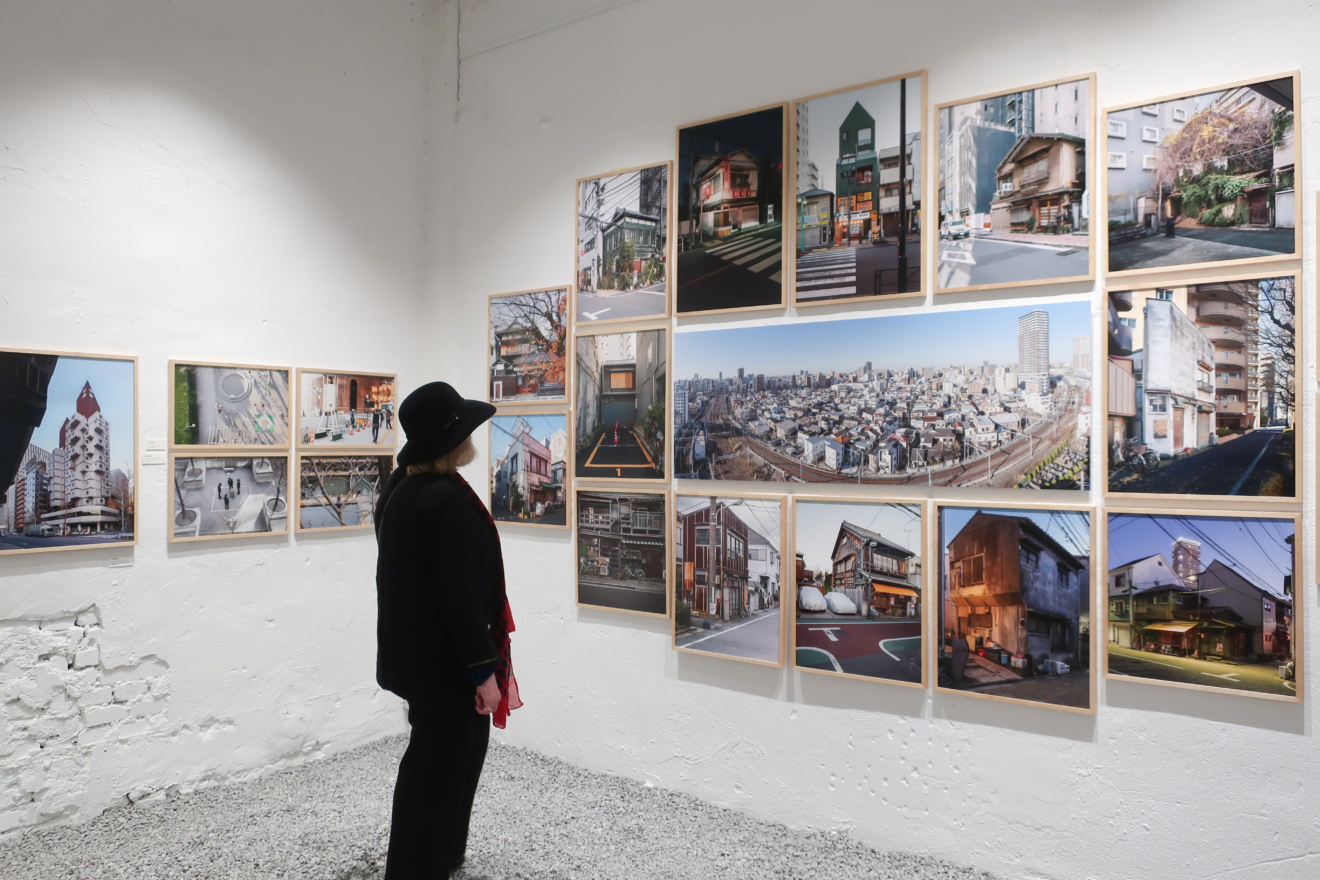
The history of the former prison building behind Tallinn Town Hall dates back to the beginning of the 14th century, but its contents are much newer, starting from the 1860s – as the first photographs taken in this region date from this period. Walking through the history of photographic art in Estonia is a good introduction to the gallery, which is hidden in the basement of the museum. It is an exciting exhibition space where the best of contemporary photography is displayed in curated exhibitions, and sometimes also includes photographers from abroad.
Juhan Kuus Documentary Photo Centre: everyone has a documentary photographer hidden in them
The name Juhan Kuus, whom the Documentary Photo Centre is named after in Telliskivi Quartier, may be unknown to many in Tallinn. Proving once again that “no prophet is accepted in his hometown”. Juhan Kuus (1953–2015) is one of the most internationally recognized documentary photographers of Estonian origin, who lived and worked in South Africa. Exhibitions of Kuus’s works travel around the world, although some of his work can also be seen here. The Photo Centre hosts works from both Estonian and foreign photographers whose exhibitions have already gained international attention.
Upon visiting, you can learn how anyone who has passionately clicked pictures during a class excursion or a friend’s birthday has the potential to become an acclaimed documentarian.
The Estonian Museum of Applied Art and Design: oh, I have this piece at home too!
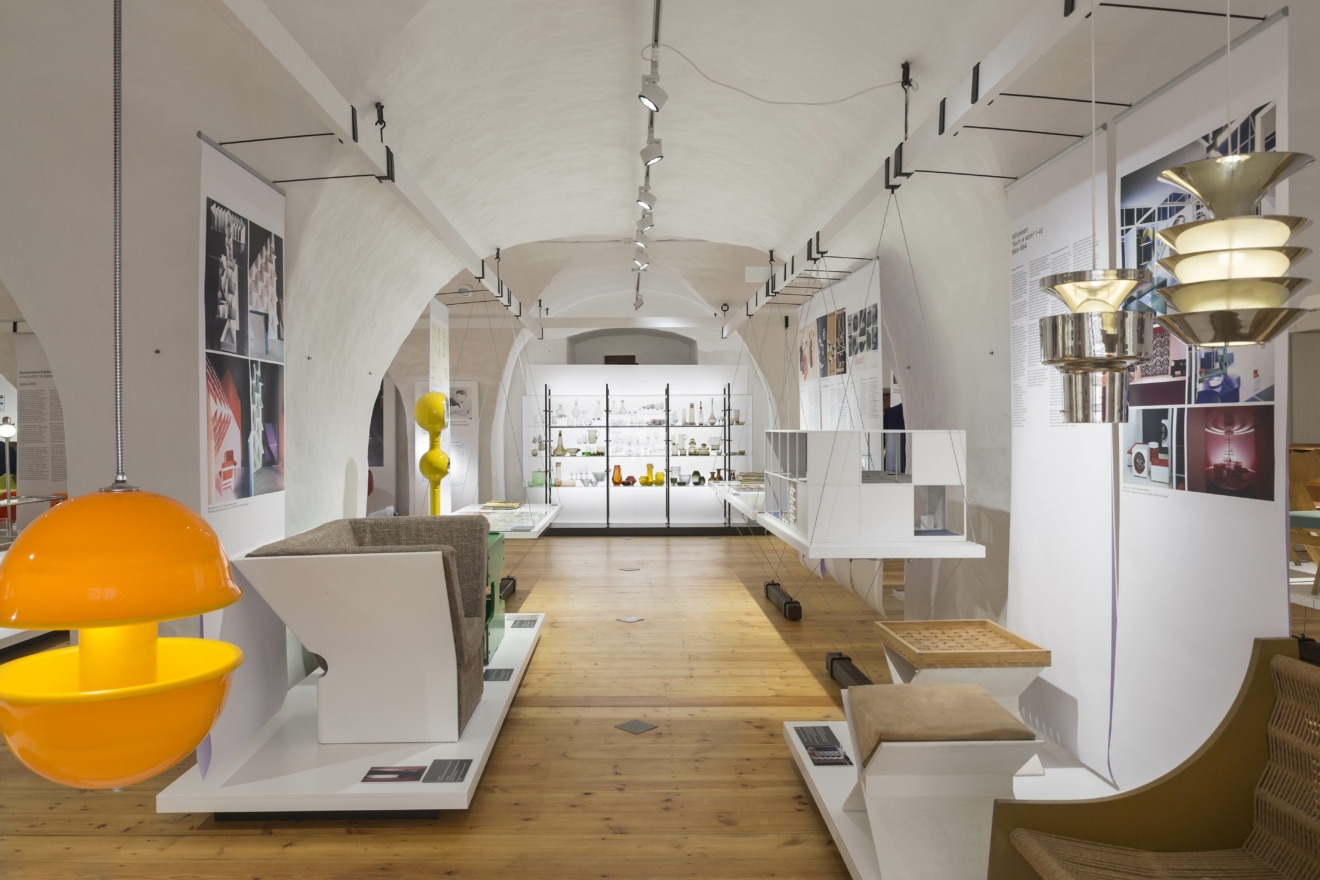
The museum’s permanent exhibition Introduction to Estonian Design is the world’s only permanent exhibition dedicated to Estonian design. The story, presented through significant objects, ranges from Luther’s plywood factory to the Soviet-era Estoplast factory of plastic items, and from experimental furniture to Marit Ilison’s fashion. The Estonian Museum of Applied Art and Design introduces visitors to a multi-layered world that affects our lives much more than we might realize in our day to day. Walking around the exhibition, you may often hear someone nostalgically exclaiming: “Oh, I have this thing at home too!” There is plenty to discover both at the Introduction to Estonian Design exhibition and at the Collected Works permanent exhibition, which is dedicated to applied art.
In addition, two temporary exhibitions can be seen in the museum.
Kai Art Center: History is being made in front of our eyes
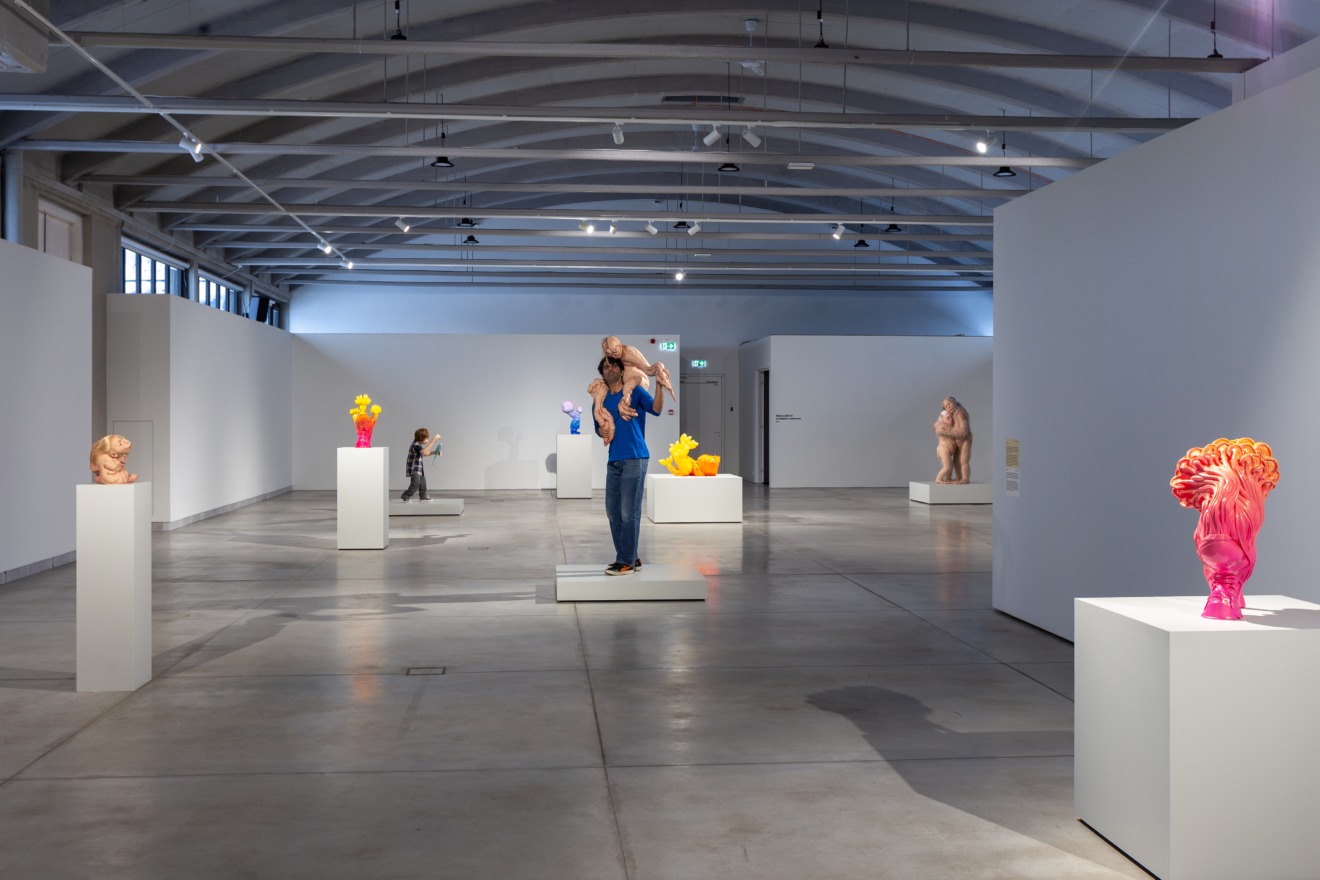
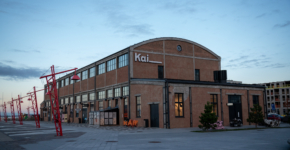
The Kai Art Center, located in the Noblessner Harbour in Tallinn, is not a traditional museum, but it is a place where Estonian art history is being made in front of our eyes. Kai is an international art center, the most important part of which is the fantastic art gallery where the most well-known and hottest upcoming names in Estonian art present their works.
You and your family have a day off ahead, but you’re short of ideas on how to spend it? If you have already visited the family-centric museums around Tallinn and Tartu, we invite you to discover more family-friendly museums outside of these bigger cities. An exciting trip is guaranteed!
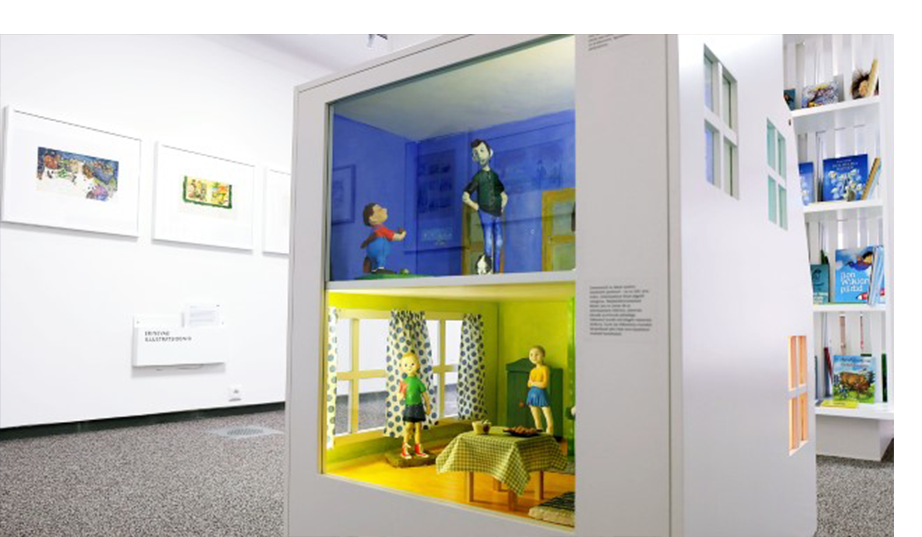
Every family who has read at least one of Astrid Lindgren’s books should visit Haapsalu. The illustrator of Lindgren’s books, the Estonian Ilon Wikland, was born in this lovely town. Ilon’s Wonderland is a center dedicated to her work, where you can admire the originals of her beloved illustrations, learn about the artist’s life, peek into Karlsson’s room, and spend time in the cozy playroom. In the summer, the Ilon’s Wonderland Garden is also open, as well as a craft workshop, where you can make crafts from paper and wood.
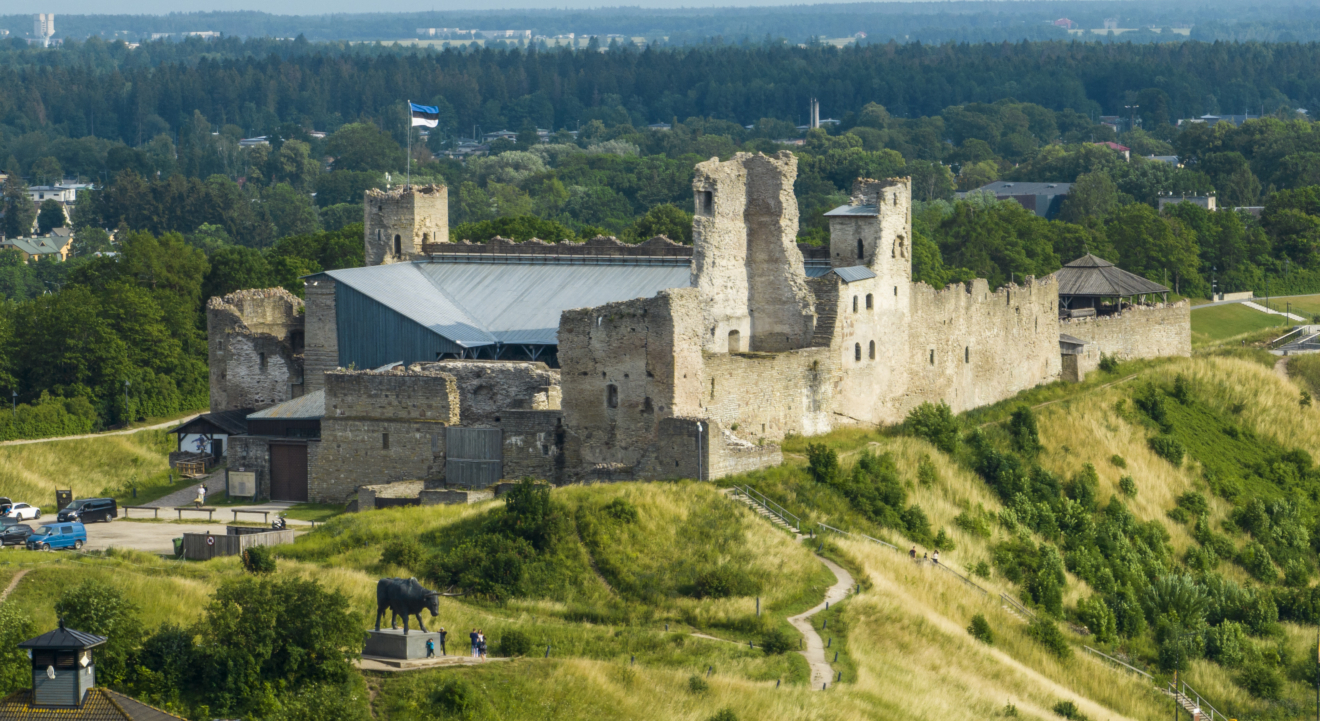
Alternatively, you can also head towards Eastern Estonia, where you will also find even more family activities. In Eastern Estonia, Rakvere Castle is the most popular destination! When visiting Rakvere Castle, children and adults can learn a lot about life in the Middle Ages and early modern times, as well as about daily castle life. Children can get a peek at what it was like to be a knight or warrior.
Another place beloved by children in Rakvere is the Police Museum. Every child who has dreamed of becoming a police officer can learn more about this profession here. And even for those without such a dream, you can still learn a lot! Like, for example, how to behave in traffic. Children can also enjoy many activities in the museum’s courtyard.
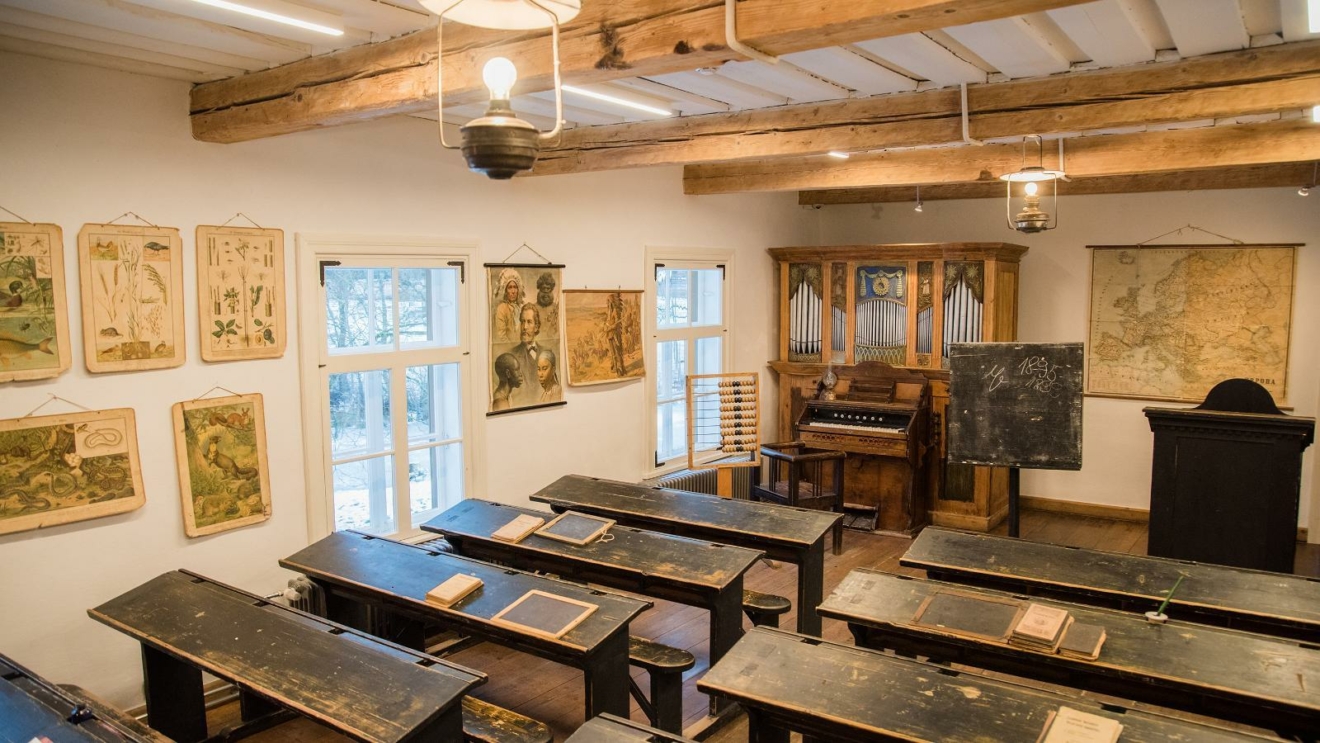
However, there is even more for children to discover in Eastern Estonia. The Kalevipoeg Museum and the Palamuse O. Luts Parish School Museum are located in Jõgeva County. These museums are especially suitable for school children, because they teach visitors about two important books in Estonian cultural history – the national epic Kalevipoeg, and Kevade (The Spring) a novel by Oskar Luts. At Palamuse, children can learn about school life in the olden days. While, in the Kalevipoeg museum, you can get into a virtual reality fight with the Old Devil – Vanapagan – himself!
In fact, as all Estonian museums warmly welcome children, you can drive in any direction in Estonia to find different knowledge and experiences for kids of all ages. It is also significant that a visit to a museum is always a good choice if the weather is not the best, keeping in mind the Estonian climate.
When people visit Pärnu, their first thought is often about spas and detox smoothies, but fans of art and history have the freedom to be different. Once you possess a museum card, you cannot simply spend your time in spas or standing in line for the slide. In addition to the art museums in Tallinn and Tartu, the journey from Pärnu to Tartu offers the museum lover a wide array of experiences, starting from Kihnu’s folk craft mittens and ending with Egyptian mummies, with so much in between.
The Museum of New Art in Pärnu: forget about the beach and sunbathing

The art center, founded by Mark Soosaar, is an important hub of cultural life, as well as art scandals, in Pärnu! The museum, which is located on the main street, offers exhibitions and collections that always provide a positive surprise. There are over 400 works of visual art in the museum’s collection and over 1,200 documentaries in its video library. The museum’s most well-known event is a nude art exhibition A Man and A Woman, which takes place each summer.
The Kondas Centre in Viljandi: a celebration of naive art
The red brick former pastorate, where the Kondas Centre is located, looks quite formal and conservative but is full of naïve and outsider art. The museum is dedicated to Paul Kondas (1900-1985), one of Estonia’s best-known naïve artists, whose works are displayed in the museum’s permanent exhibition.
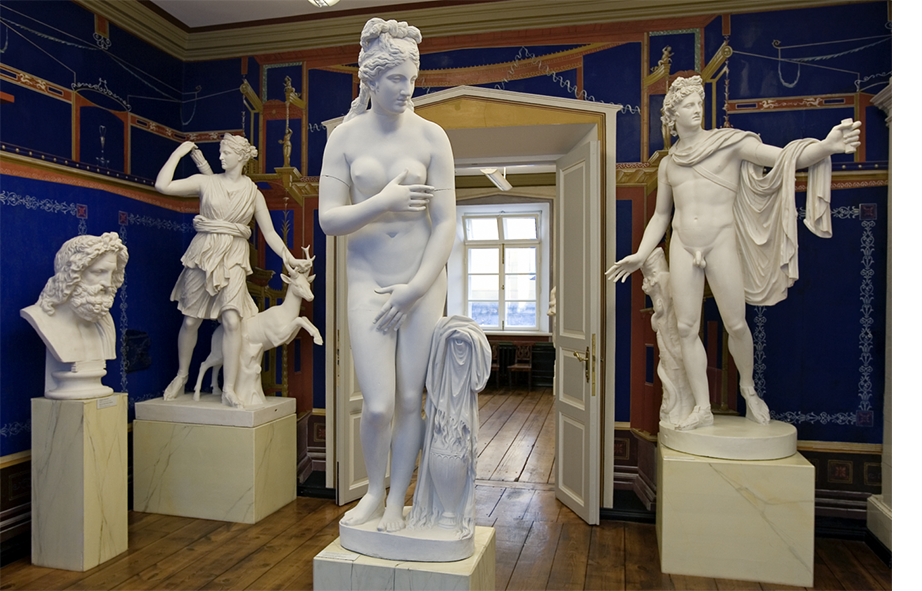
The University of Tartu Art Museum: the mother of all Estonian art museums
Today, Estonia’s first art museum has been undeservedly overshadowed by newer arrivals – located in the heart of the University of Tartu, Estonia’s oldest art museum can be found in the University’s six-columned, prominent main building. The museum’s premises are as impressive as the exhibits: visitors are greeted by a Pompeian-style interior that houses antique-inspired sculptures, coins, vases, cuneiform tablets, and an authentic Egyptian mummy.
TYPA Printing and Paper Arts Centre: meet hipsters and paper sculptures
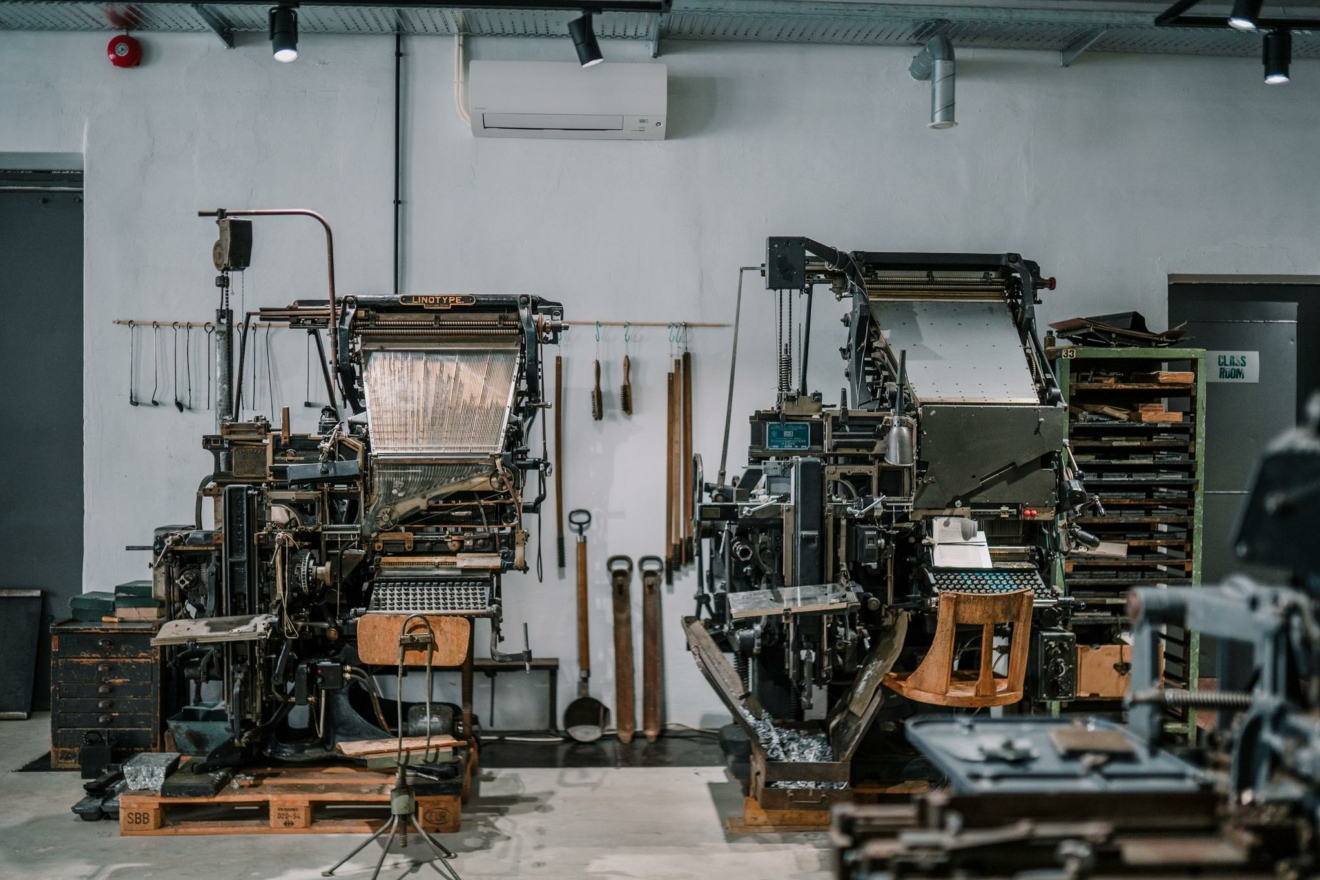
The journey of an art lover from Pärnu to Tartu is not quite as epic as the ancient journey of paper from China to Estonia, but this comparison inevitably comes to mind at TYPA, which operates in the Aparaaditehas Creative Center. Letterpress printing machines from the 19th and 20th centuries are exhibited here, and you can also view paper sculptures and study paper and its history. The innovativeness of the museum lies in its unique concept, in the combination with historical work methods and modern tools.
The days when a visit to a museum meant sneaking between glass cases in a quiet room and leaving the younger members of the family at home are long gone. Nowadays, children of all ages are welcome in all museums, and there are some that are especially suited for children.
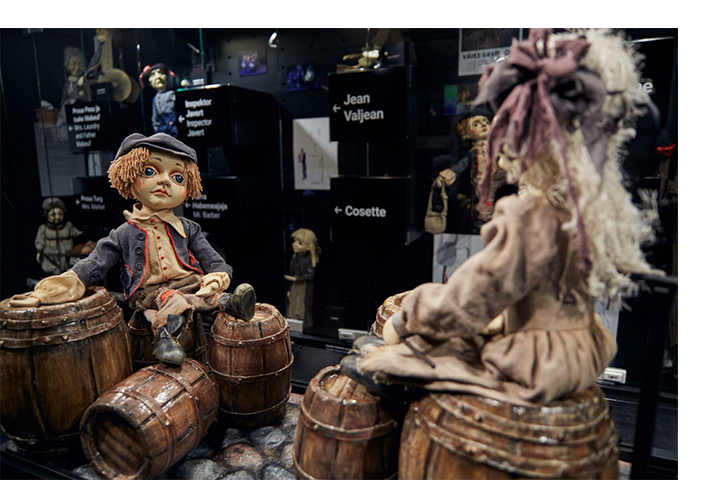
The most diverse selection of these family museums is, of course, located in Tallinn, but it is also worth visiting Harju County. For example, one street in Tallinn Old Town has a particularly rich selection – Lai Street, where three museums are located quite close to each other.
If you start your tour from the end of Lai Street, closest to the Balti Jaama rail station, the first museum to welcome you will be the Museum of Puppetry Arts, located inside the Estonian Theatre for Young Audiences. Here, you can take a journey through the history of puppetry and experience what it’s like to be a puppeteer yourself.

Walking farther along Lai, you will reach the Estonian Health Museum, where you can get to know the basics of health care and how the human body functions with the help of a number of hands-on exhibits.
Your next Lai Street stop will be the Estonian Museum of Natural History, which teaches visitors about the nature around us and why it is so important.
Within walking distance from Tallinn Old Town is the Seaplane Harbour, a favorite site for families and one of the most magnificent maritime museums in Northern Europe. Children can enjoy various discoveries here, both in the spacious museum halls and outside on the playground and in the harbour.
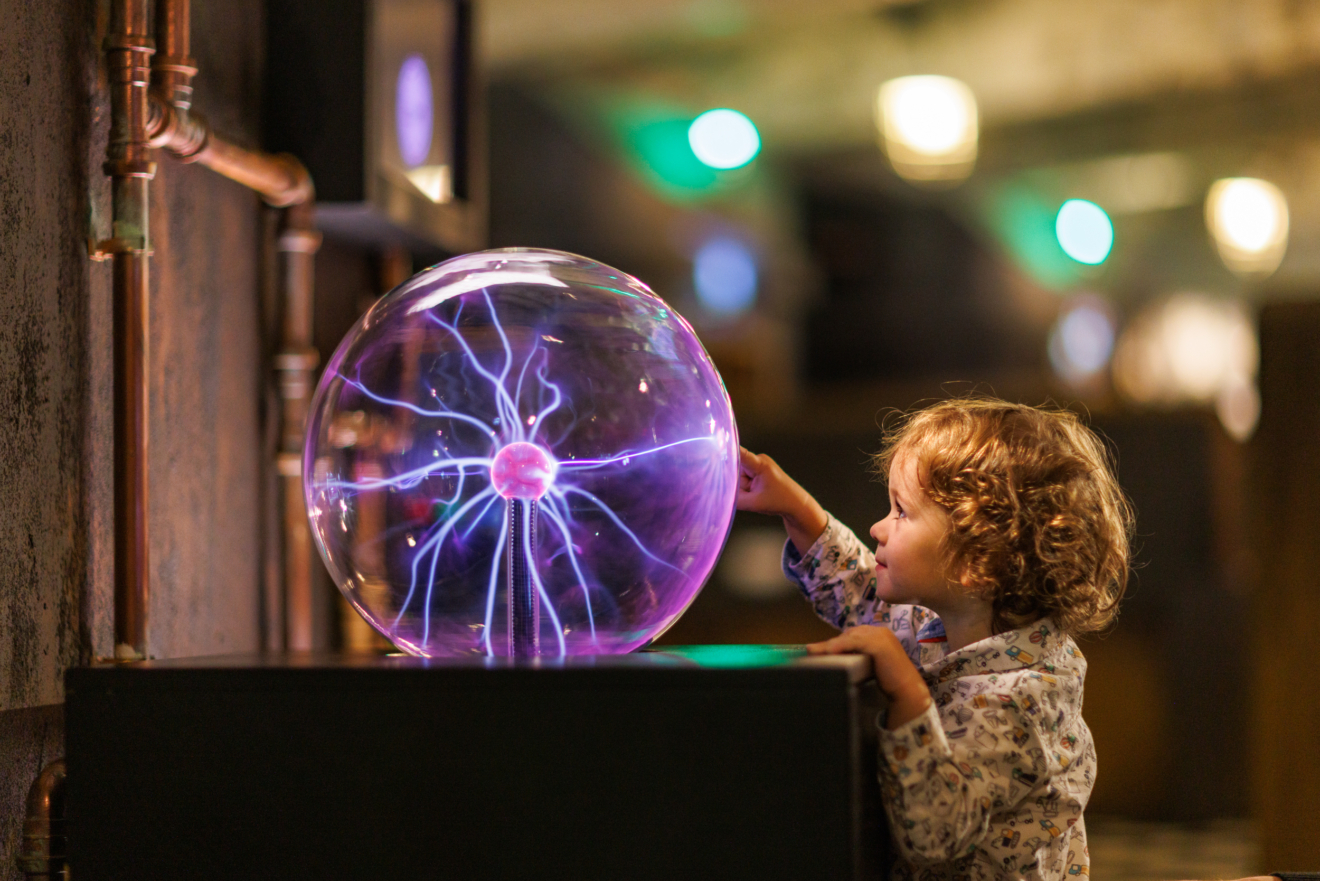
Near the Seaplane Harbour is the PROTO Invention Factory. A unique educational center, it is the first of its kind in Europe, where important scientific discoveries are displayed through virtual reality, as well as through dozens more exciting attractions.
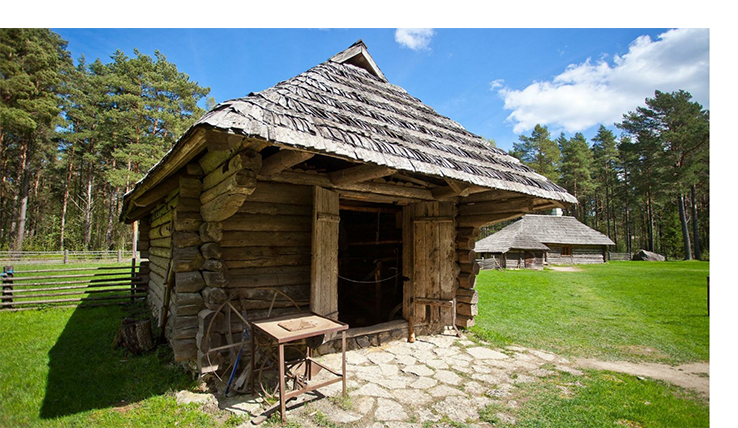
The Estonian Open-Air Museum offers an opportunity to spend time in the fresh air. Children can enjoy swings and an old-fashioned carousel, and older children can enjoy hands-on activities in the collective farm housing area. The grounds of the museum are quite large, but you can move around with a bicycle and a baby carriage.
There are also interesting activities for children in other museums close to Tallinn. For example, two museums where you can spend a whole day await you on the way to Viimsi. In the Viimsi Open-Air Museum, you can learn about the important and historic coastal culture of Estonians. As the museum is located by the sea, you can enjoy Tallinn’s famous silhouette, and children will be delighted by the museum’s swing area and flock of sheep.
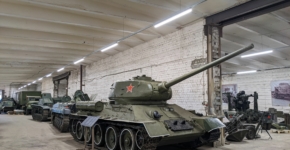
Also close by, in the Viimsi Manor, is the Estonian War Museum, where children can learn about the history of war from a child’s point of view: badges of honor, swords, and important historical figures. A playground is open for children and they can also explore various military equipment.
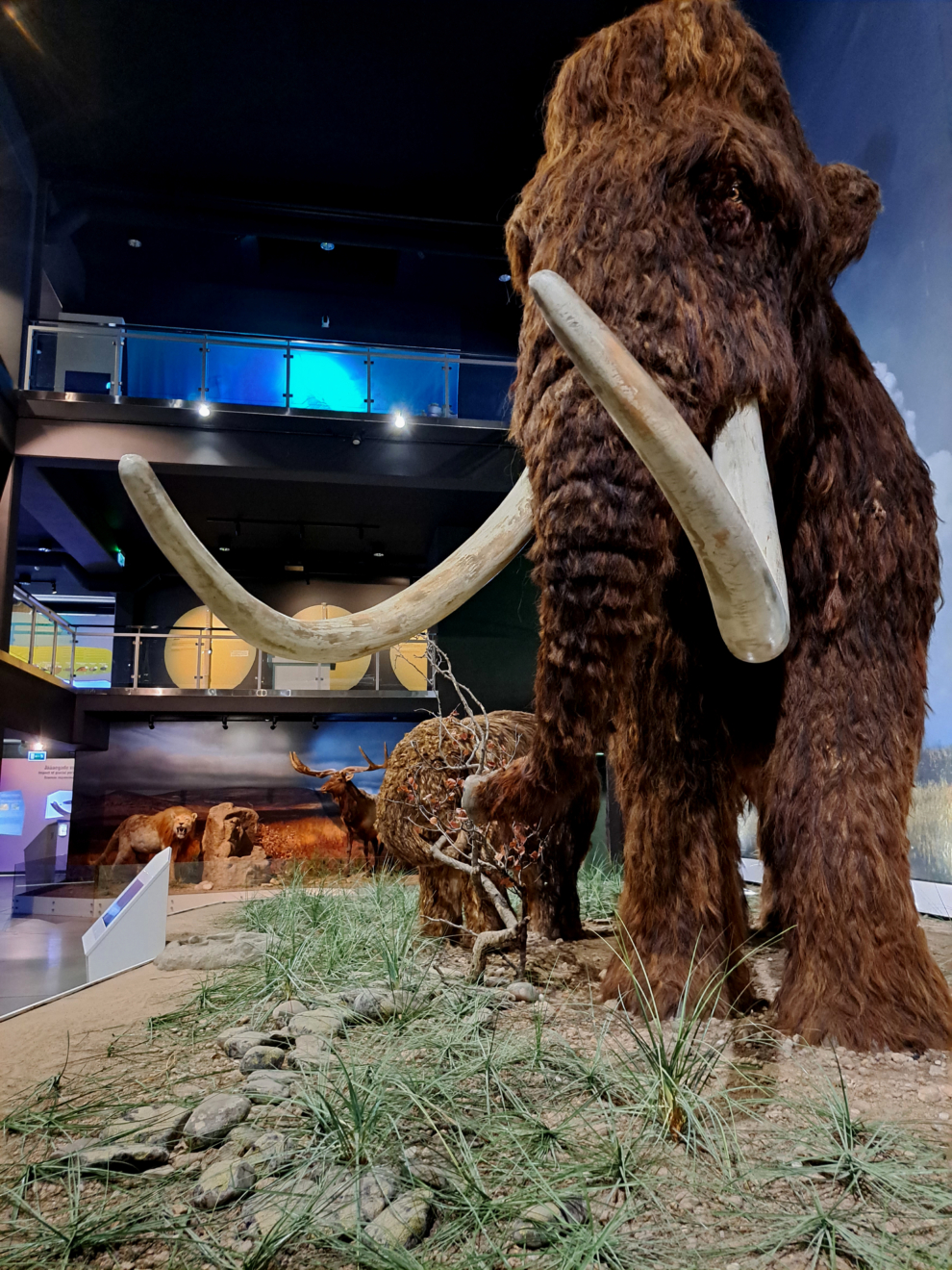
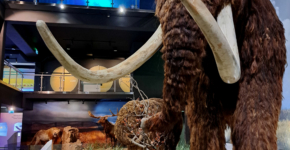
There is plenty to explore for families with children in Southern Estonia and enough activities for several trips. For example, the exciting Ice Age Centre in Äksi in Tartu County. The Ice Age Centre is an experience for the whole family, that introduces life after the last ice age, as well as the history of Estonian nature, and the development of human settlements. Children are always most excited by the museum’s life-size mammoths.
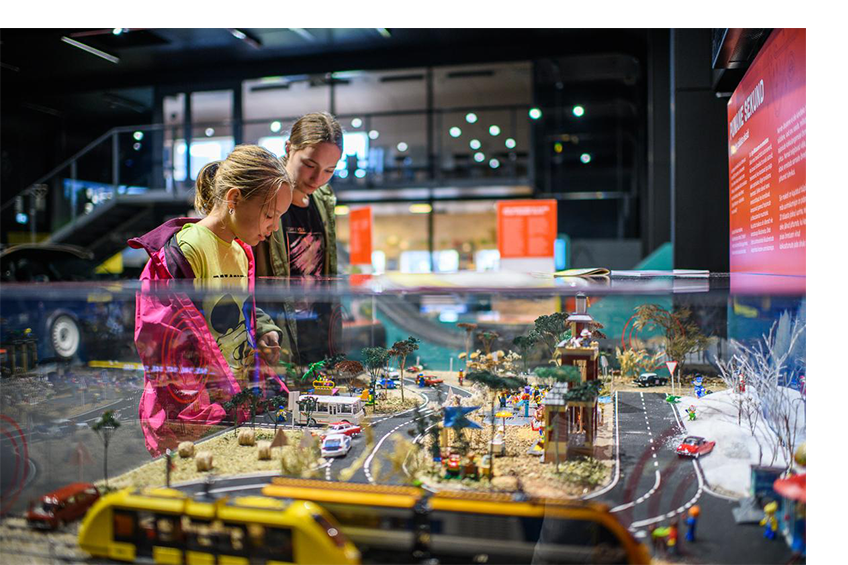
The Estonian Road Museum in Põlvamaa will light up the eyes of every child interested in technology and adventure. Exploring old vehicles is exciting in itself, but the Road Museum also has a special children’s museum – a floor full of exploring and adventures designed for the youngest among us.
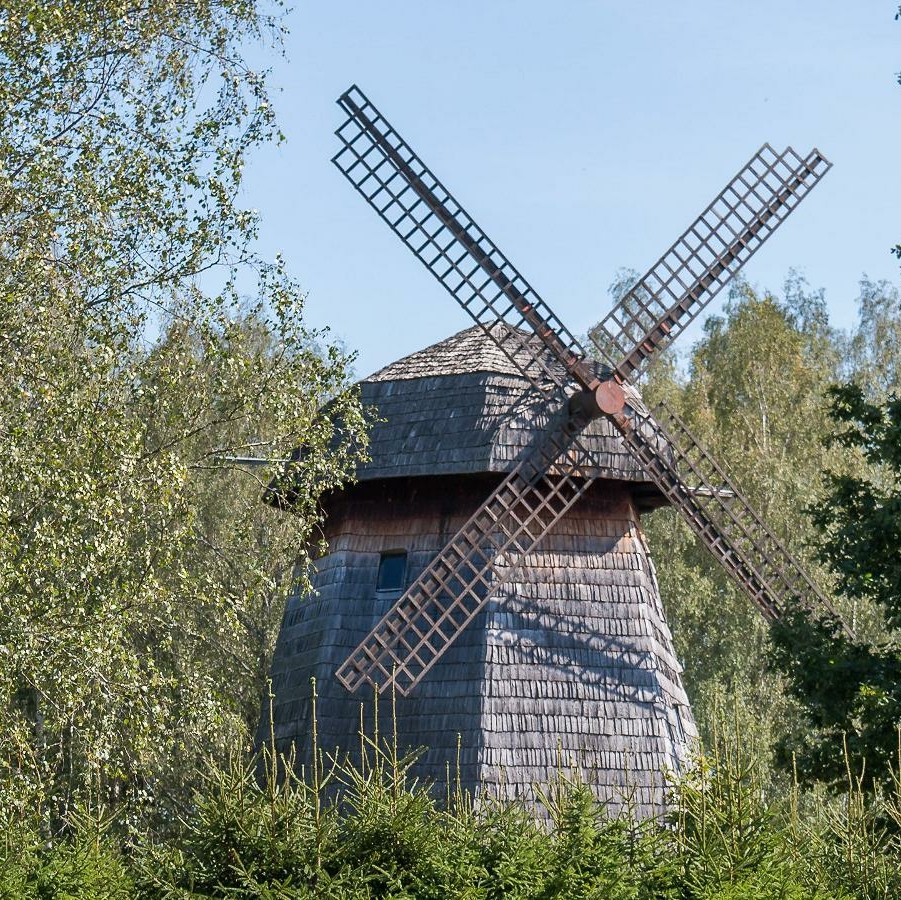
The Karilatsi Open-Air Museum, the largest open-air museum in Southern Estonia, is not far from the Estonian Road Museum. Here, children can see what an Estonian village looked like more than 100 years ago and learn about farm and school life in that era. There is an exhibition about the history of education in the old school building.
Or, if you wish, you can drive north from Tartu to Jõgeva County instead. Read which museums are waiting for children in that area, here.
Even if you are a frequent museum visitor and feel like you have already seen everything, we would like to bet that is not the case! Here are seven gems that you probably haven’t discovered yet.
Estonians are proud to consider themselves an IT nation. Although you may think that everything computer-related is a matter of modern-day technology, you would be mistaken! In fact, the history of computers is already so extensive that an entire museum can be dedicated to it.
The Computer Museum in Tallinn, which opened in 2005, hosts all sorts of computers for your viewing pleasure, from giants that fill an entire room to PDAs and computer components. You can also play old computer games in the museum.
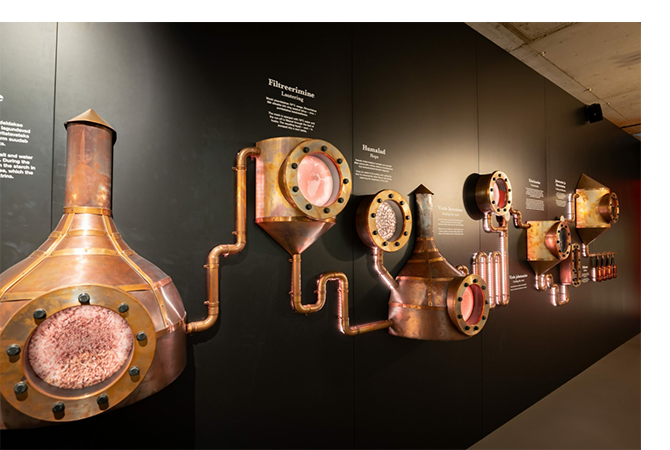
Estonia has a long tradition of brewing beer. You can learn more about the history of beer culture in Tartu – in the malt tower that is known as a symbol of the city and is a unique industrial building in Europe. In the Beer Museum, you can learn about beer production equipment and hear fascinating stories and legends related to beer. By the way, the Beer Museum also houses a bottle of the world’s oldest beer.
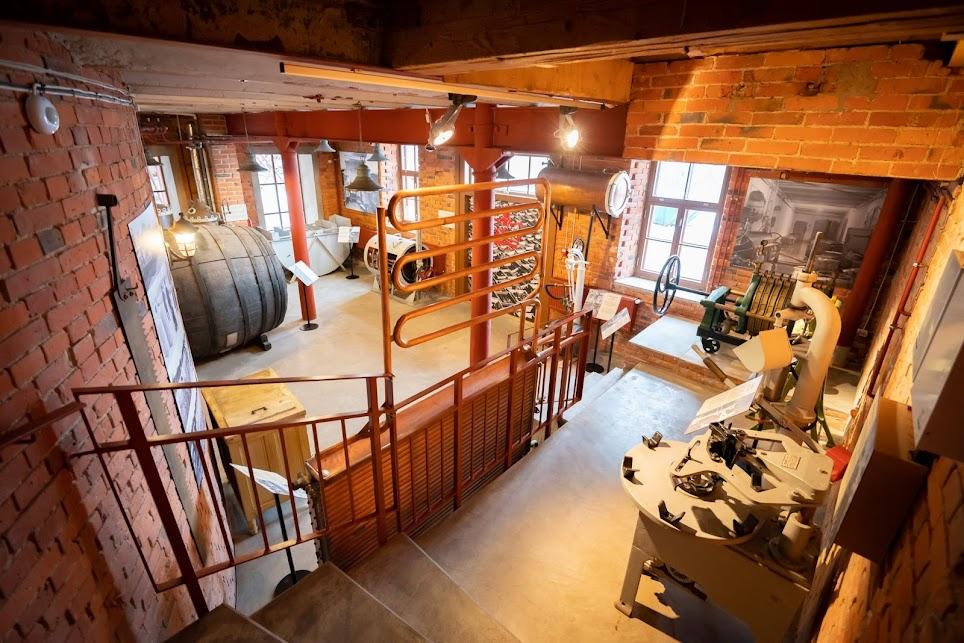
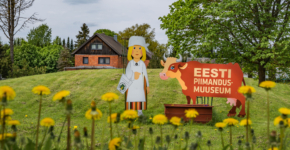
There is also a museum dedicated to another, possibly more important, drink. Milk. Järva County is a true dairy county with a long history of traditions. The population has counted more milk-producing cows there than working-age residents. So, if you want to find out what an old dairy farm looked like, how butter is made by hand, and try to milk a cow yourself, there is good reason to head over to the Estonian Dairy Museum in Imavere.
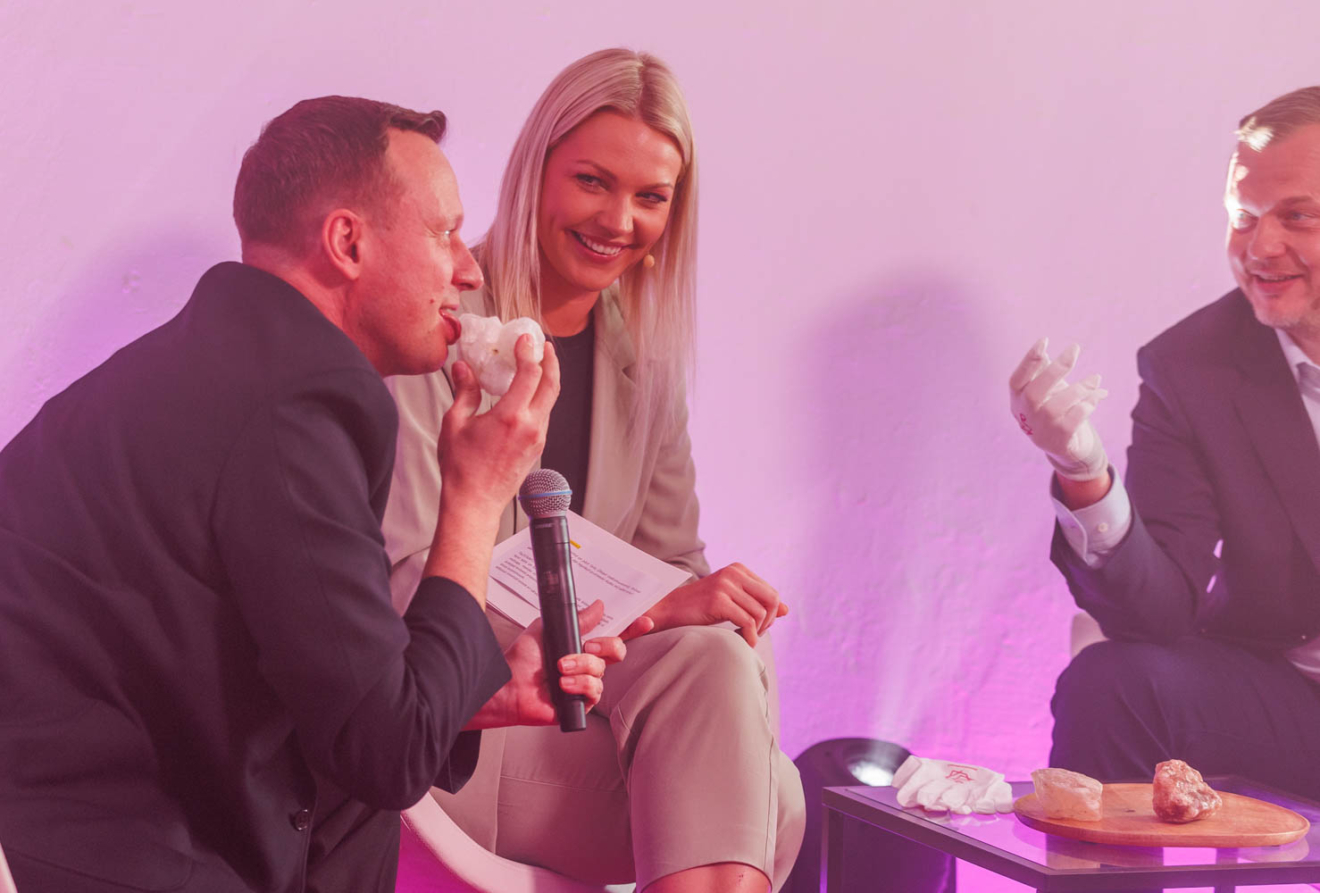
All Estonians know that limestone is the country’s national stone. But did you know there is a whole museum dedicated to limestone? Here, you will find out why limestone has been so important to Estonia throughout time. What’s more, the Porkuni Limestone Museum is not just for looking, you can even taste limestone there!
However, limestone is not the only rock that has received its own museum in Estonia. In the Oil Shale Museum, located in Kohtla-Järve, you can discover why oil shale was mined in Estonia, what it has been used for over the years, why oil shale has been so important to Estonia, and how the oil shale industry has shaped North-Eastern Estonia.
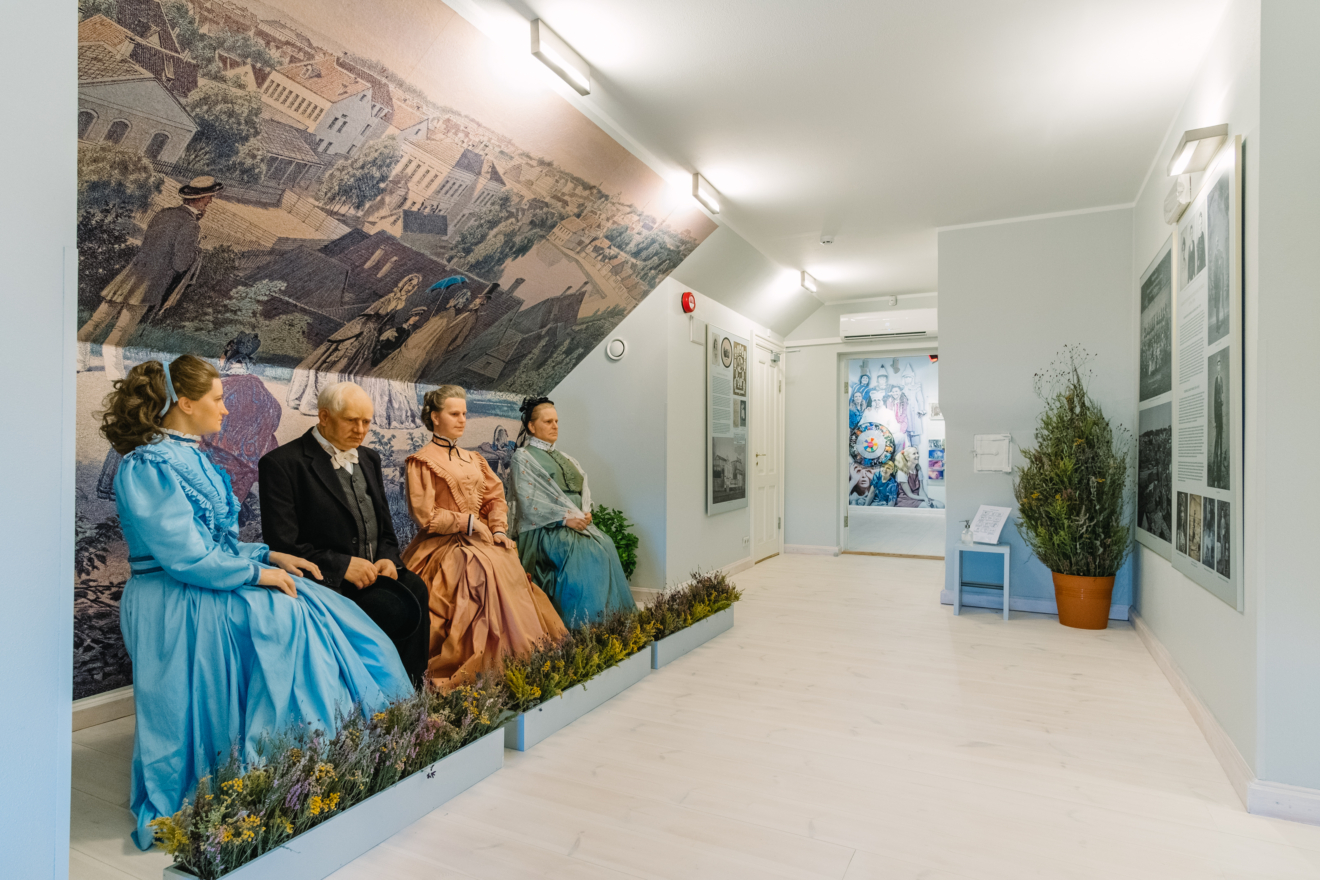
There is one event in the history of Estonia that everyone knows, and many have experienced themselves – The Song Celebration. The Song Celebration Museum in Tartu is located in the building where the Vanemuine Cultural Society operated and where the roots of the 150-year-long tradition, the Song Celebration, began. You can discover how the first song festival was organized and how it became a tradition that survived despite the difficult times in Estonian history.
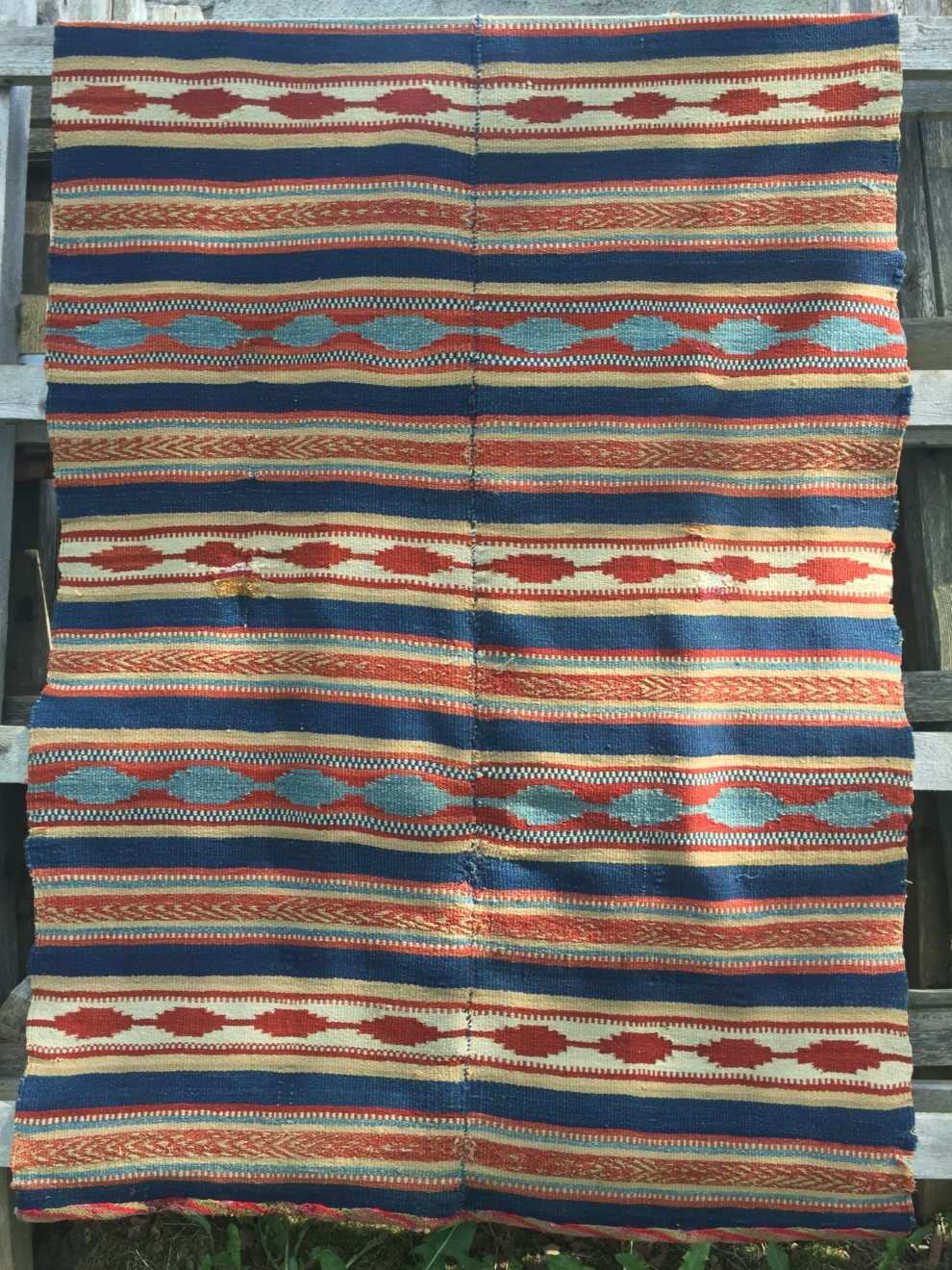
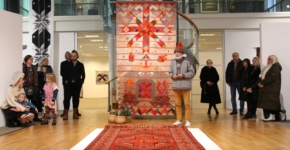
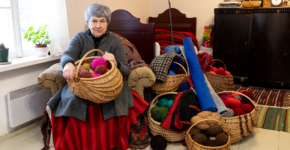
The highlight of the Heimtali Museum is a carpet woven in 1850, which Johannes Nyman, the director of the Estonian Red Cross, gifted to his bride, Meta, in 1920.
More than half a century later, it was presented to the Estonian Ethnographic Society’s interest group, Triinu, who gifted it to the textile artist and founder of the Heimtali Museum, Anu Raud.
The carpet is woven with yarns dyed using natural plant-based dyes.
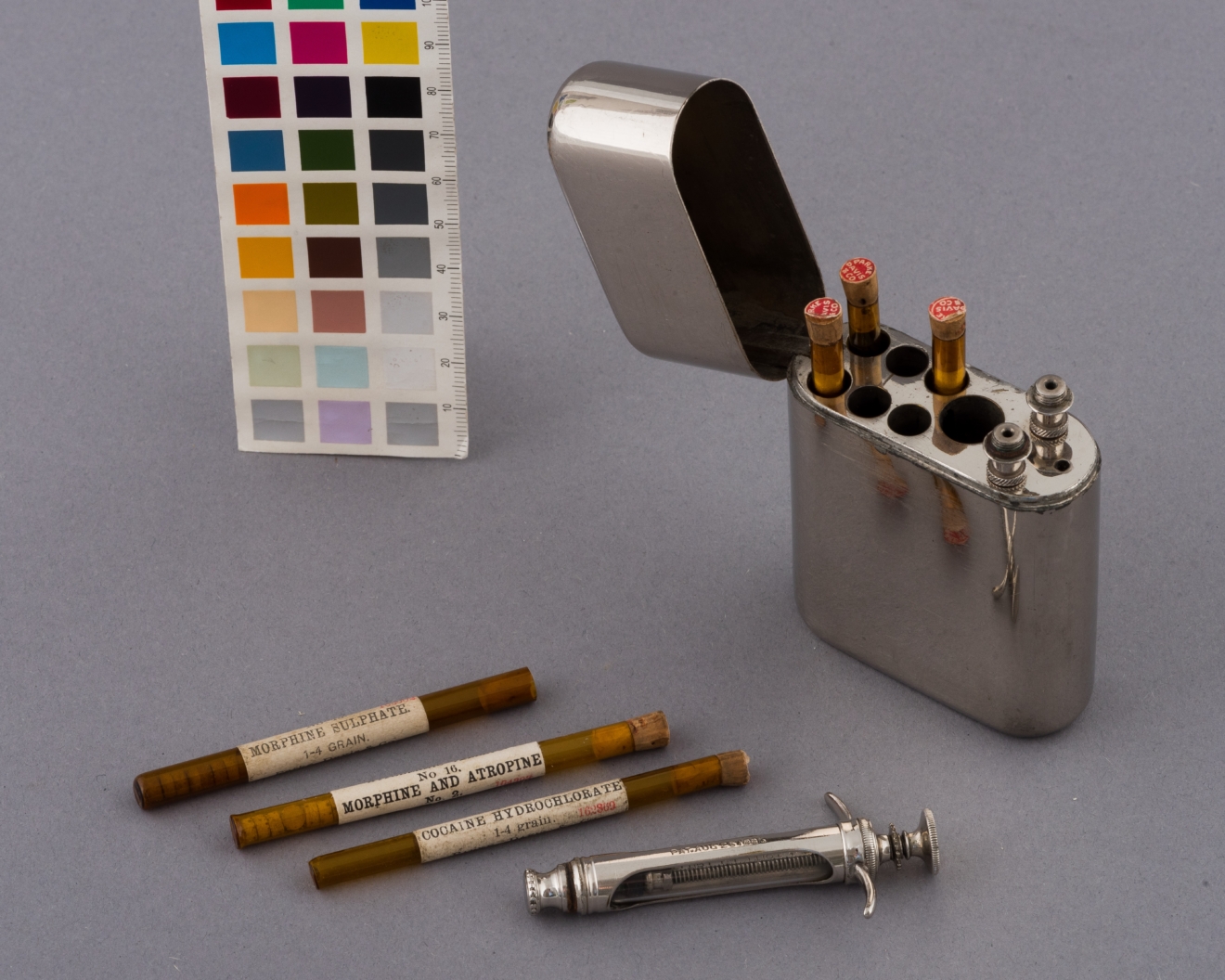
Estonian Health Museum’s collection includes a portable syringe kit dating back to the early 20th century. The kit comprises a stainless steel box, a syringe, two needles, and six vials containing strychnine sulfate, morphine sulfate, morphine/atropine, cocaine hydrochloride, physostigmine sulfate, and atropine sulfate tablets. The kit was manufactured between 1906 and 1908.
In the mid-19th century, morphine and cocaine were considered miracle drugs in the United States and Europe. They were added to food, cigarettes, ointments, powders, and even cough lozenges for children. Additionally, American doctors started prescribing morphine, other alkaloids, and cocaine more frequently to their patients, often without a severe medical indication.
These substances became particularly popular among upper- and middle-class women as remedies for “women’s troubles” such as nervousness, headaches, depression, and lethargy. The uncontrolled use of narcotic substances led to addiction in patients, and over time, drug addiction became an increasingly severe problem. In 1915, the United States implemented a law to regulate the production, distribution, and consumption of products containing opiates and cocaine, establishing national oversight.
Visit with a Museum Card
The Estonian Health Museum is located in an almost 600-year-old building in Tallinn’s old town. You will find an exciting…
Read moreNow you can visit four new museums with the Museum Card: Banned Books Museum, the Kolkja Museum of Old Believers, Pokuland, and the Ruhnu Museum.
The Banned Books Museum exhibits banned, censored, and burnt books worldwide. The books are displayed in sections according to countries/regions, and each book is accompanied by explanatory text providing a brief overview of the context of its banning.
Kolkja Museum of Old Believers tells the story of the Russian Old Believers along the shores of Lake Peipus. Questions are answered – why did they settle precisely on the shores of Lake Peipus, what are their customs, and why have they been growing onions in this particular way for centuries?
Pokuland is a theme park based on the main characters of the artist Edgar Valter’s book ‘Pokuraamat.’ The natural prototypes of the Pokus are boulders.
At the Ruhnu Museum, you can explore approximately three hundred tools and household items that once belonged to the people of Ruhnu, along with photos and texts about the island’s unique history and nature.
New museums
Sanctuary of Forbidden Books The Banned Books Museum exhibits banned, censored, and burnt books worldwide. The museum aims to equip…
Read more
Kolkja Museum of Old Believers
Historical journey into the world of Old Believers Kolkja Museum of Old Believers tells the story of the Russian Old…
Read more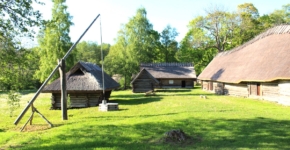
Life of the Islanders Through Centuries At the Ruhnu Museum, you can explore approximately three hundred tools and household items…
Read more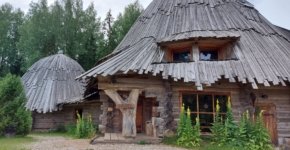
Fantasy gets wings in Pokuland! Pokuland is a theme park based on the main characters of the artist Edgar Valter’s…
Read morePernova Nature House is a family visitor center in Pärnu. It is located in a unique green-roofed building. It houses several exhibitions about nature, a dome screen cinema, sound and video caves, and a winter garden.
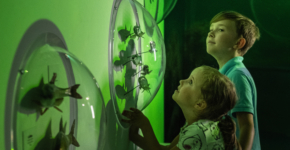
Its three floors hold much to discover for both adults and young nature lovers. Animals, birds, fish, and plants are displayed at the permanent exhibition, while you can watch short films about the wild animals of Estonia in the video cave, and you can listen to bird songs and animal sounds in the sound cave.
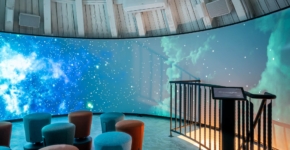
The lush greenery of the winter garden welcomes visitors at any time of the year. In the planetarium, you can see films about the universe, as well as on the depths of the sea. In addition to the permanent exhibition, the building has temporary exhibitions that change one to two times a year.
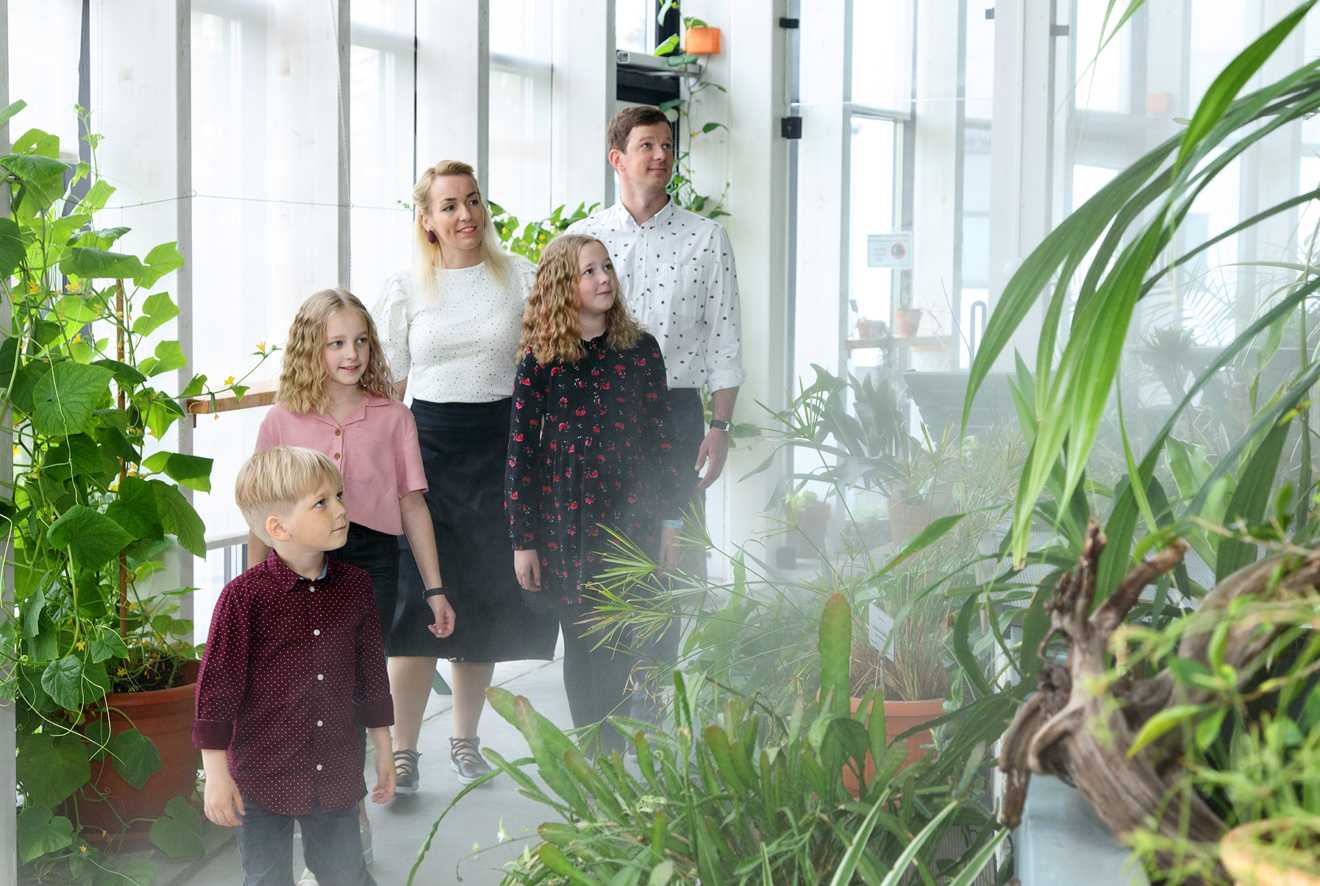
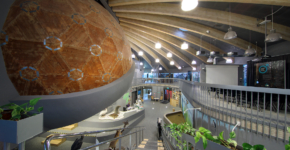
Family visitor center in Pärnu The Pernova nature house is located in a unique green-roofed building. It houses several exhibitions…
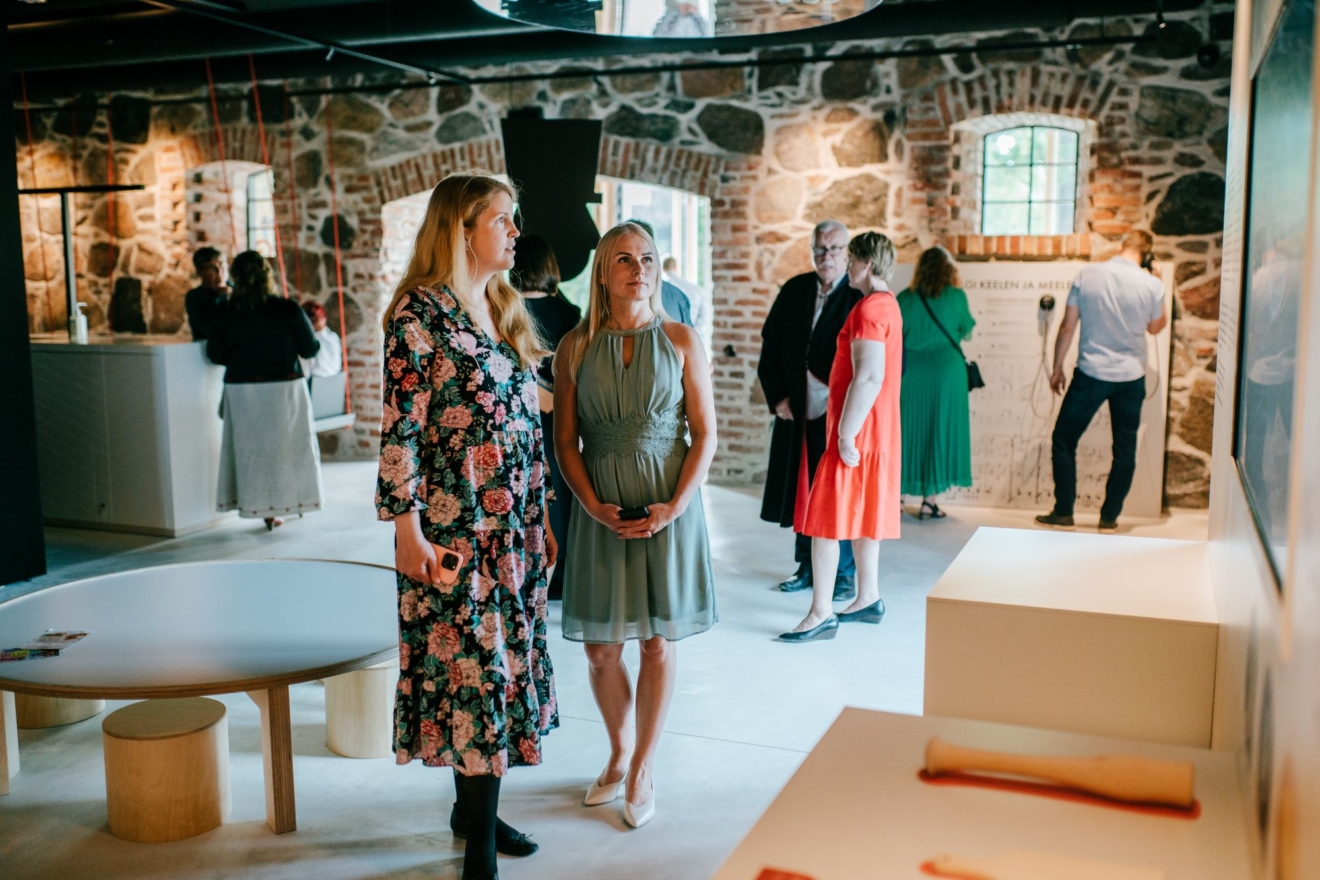
Read moreThe Mulgi Experience Center is located in Mulgimaa on the grounds of the former Sooglemäe farm, spanning seven hectares. The center opens the door to the essence of the Mulgi people and Mulgi heritage culture, presented in a contemporary and attractive manner.
The exhibition in the manor house answers questions about who the Mulgi people are and whether one becomes a Mulgi or is born as one. It introduces the local language, cuisine, traditional clothing, and the most famous Mulgi individuals. You will also discover how the Mulgi people became successful and prosperous.
In the glass gallery built around the stable building, there is a timeline of Mulgimaa, showcasing the most significant events from the first Mulgi individuals to the present day and even predictions for the future. Alongside interactivity, the original buildings and environmental elements have been preserved.
In addition to exploring the indoor exhibitions, we recommend venturing outdoors, where walking paths and a picnic area await, along with information about the farm’s outbuildings and Mulgi beliefs.
Mulgi Experience Center(Closed in October)
The essence of Mulgi culture The Mulgi Experience Center is located in Mulgimaa on the grounds of the former Sooglemäe…
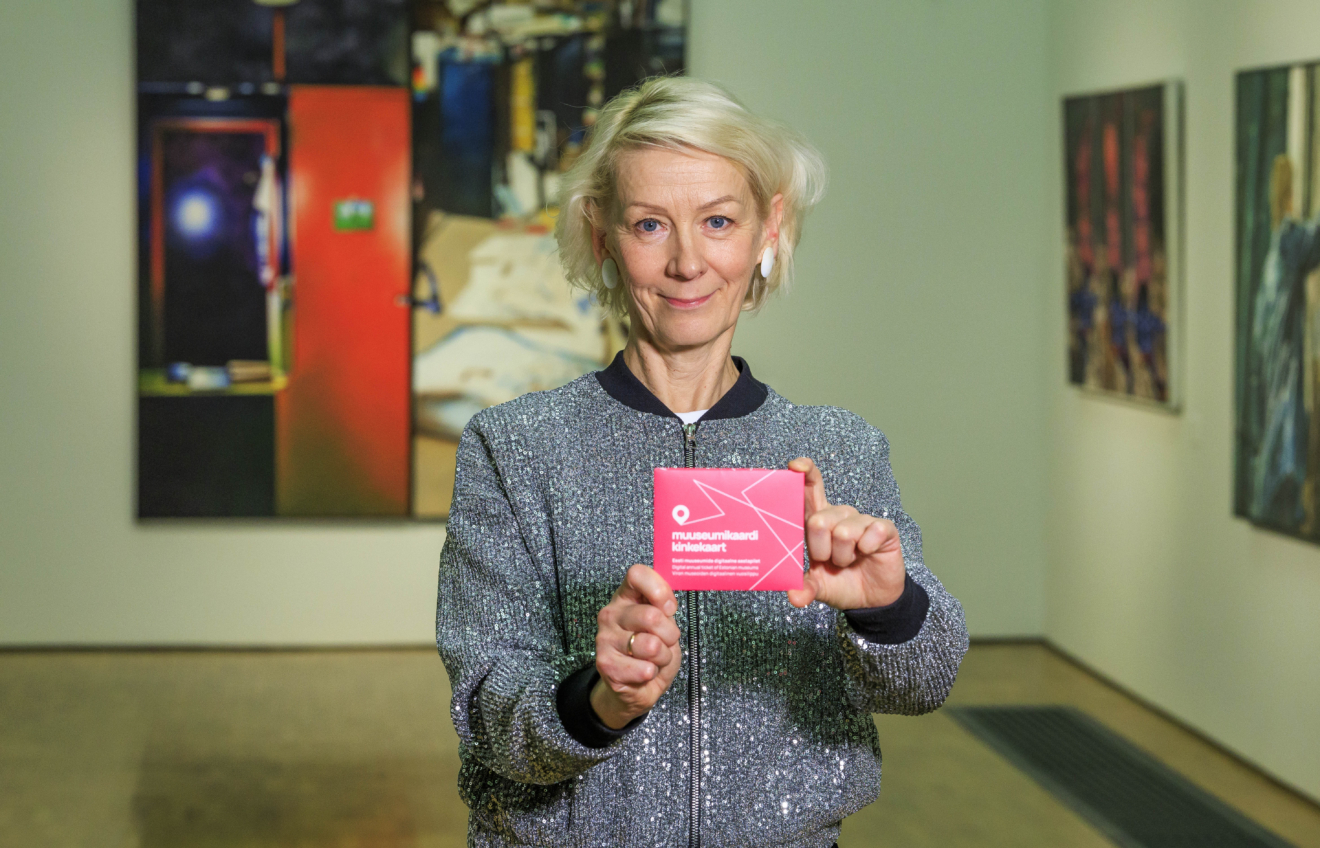
Read moreWould you like to surprise your colleague or a friend? The Museum Card is a gift that somebody can enjoy all year round because you can visit over 120 museums all over Estonia without limits and throughout the year!
We have calculated that the museum card holds €1000 worth of cultural experiences and allows you to visit over 120 museums across Estonia within a year!
You can gift a Museum Card digitally or with a physical gift card and our website is the easiest way to buy it.
Visit free with a Museum Card!
Virtual Time Travel Experience “VR Tallinn 1939/44″(Closed in January 2026)
In the tunnel, Vabaduse väljak 9, 10142 TallinnThe Under and Tuglas Literature Centre of the Estonian Academy of Sciences
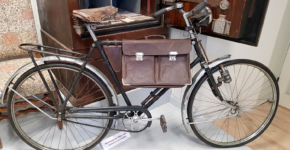
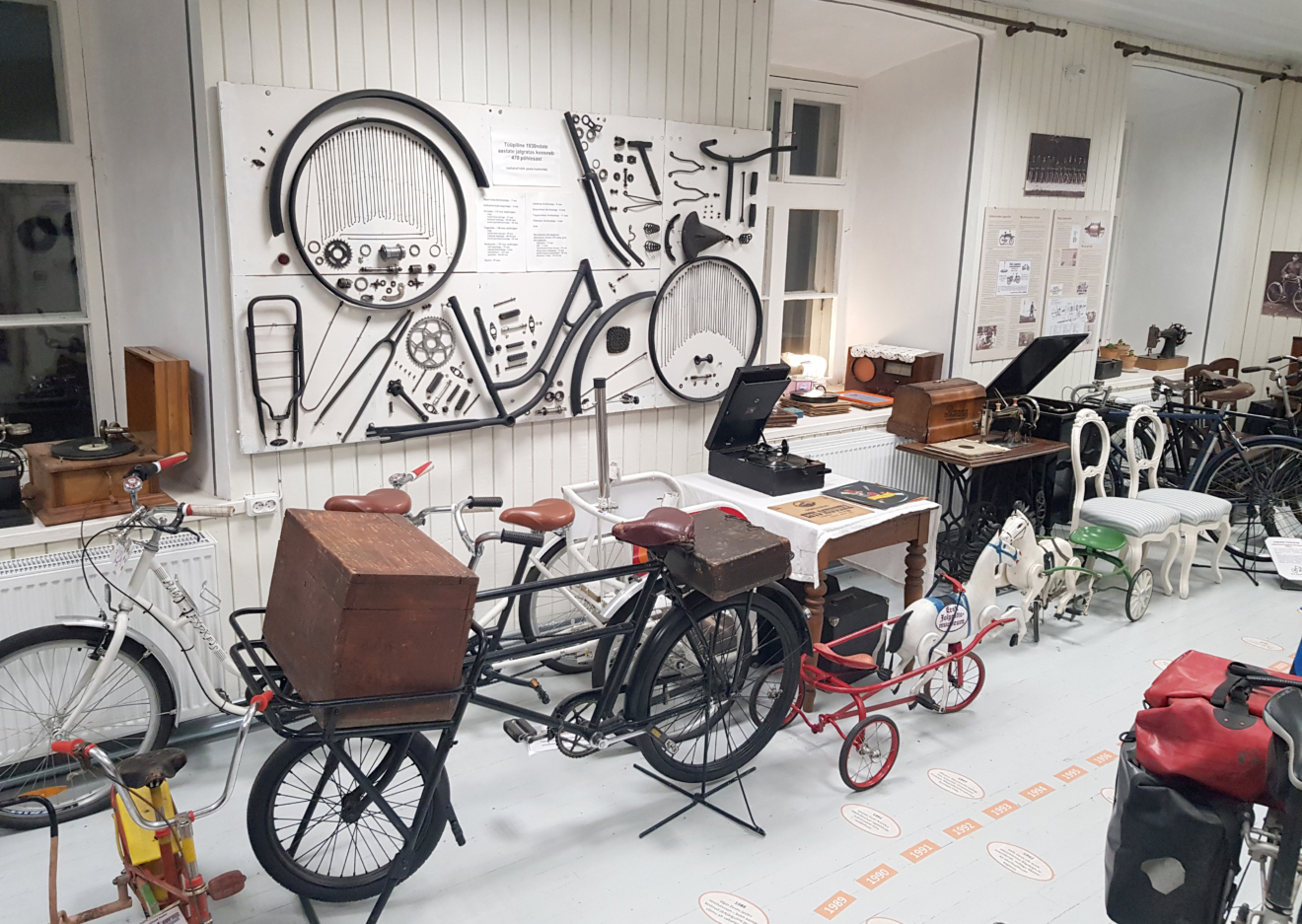
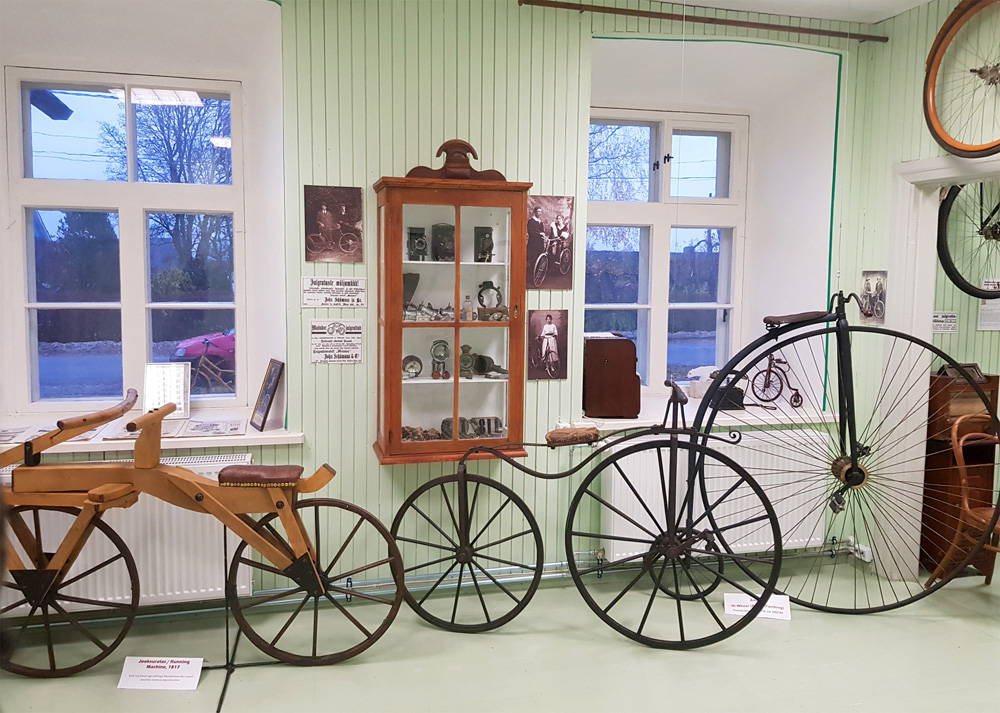
Väikese Illimari 12, TallinnNow you can visit the Estonian Bicycle Museum, where you can explore over 160 bicycles spanning multiple centuries and learn about the history of bikes in Estonia.
Please note that the Bicycle Museum is only open during the summer!
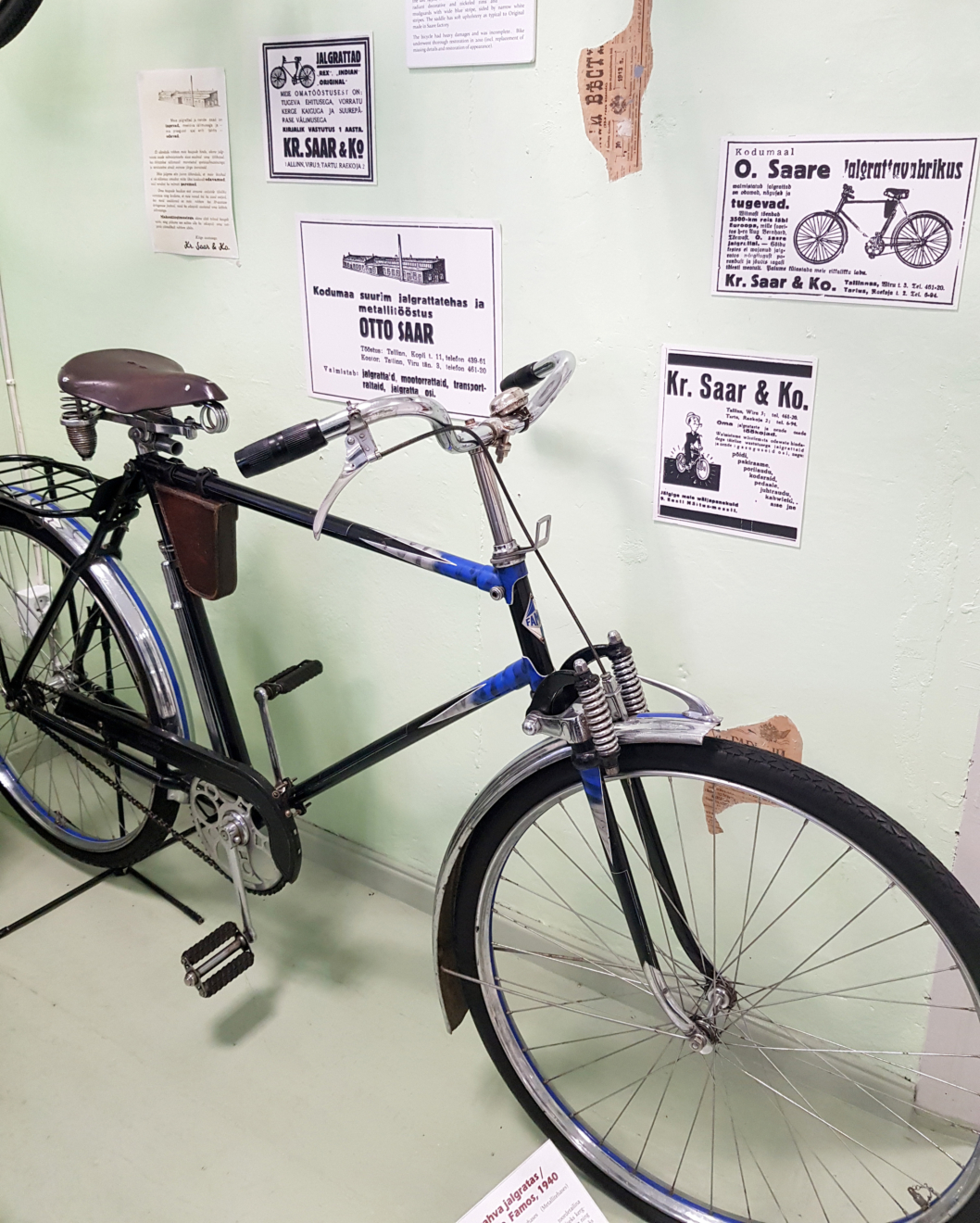
This museum highlights bicycles manufactured in Estonia in the 1920s and 1930s when a significant domestic bicycle industry existed.
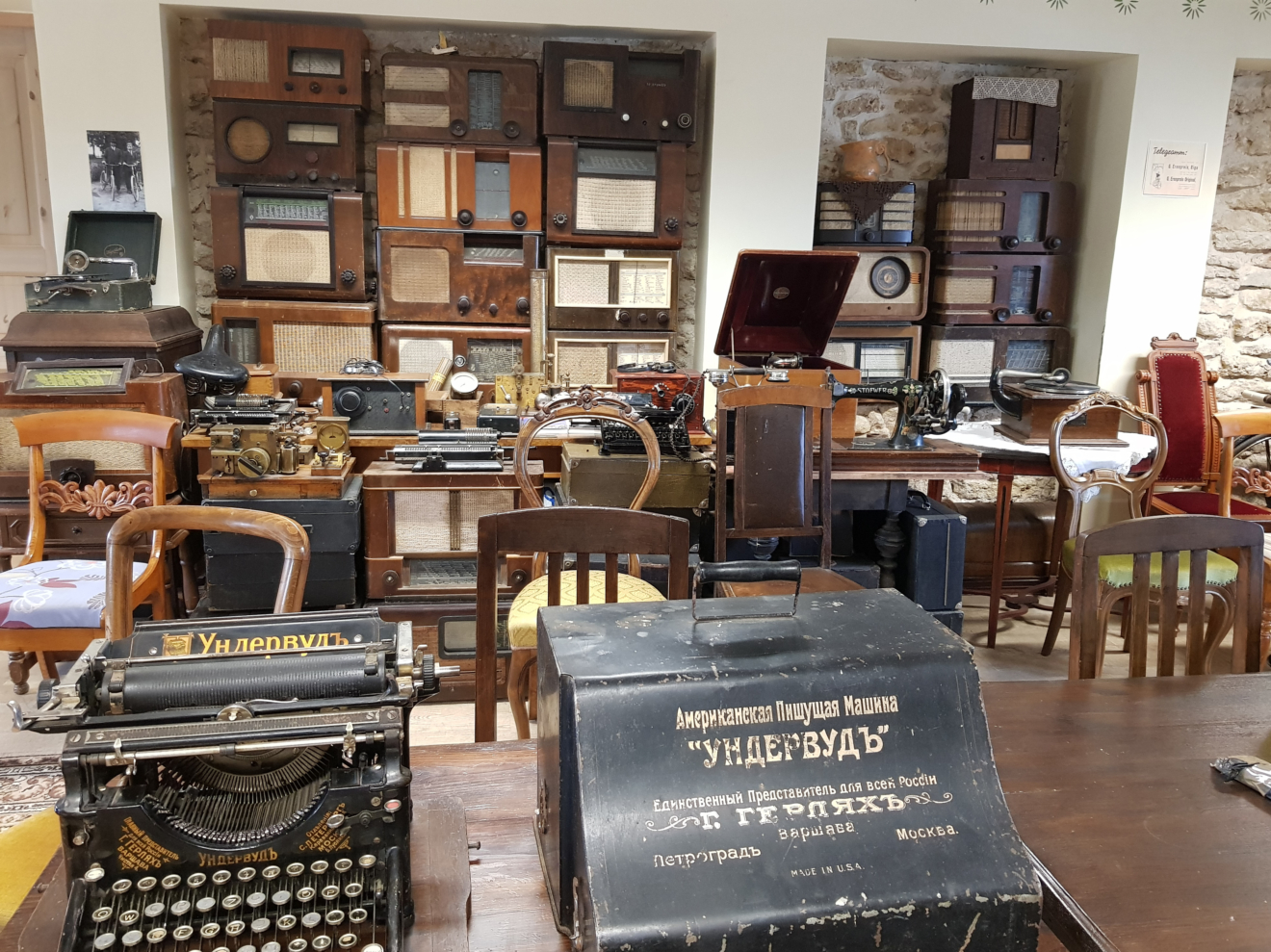
In addition to bicycles, visitors can also explore other small-scale technology from the “golden age of bicycles” in the 1920s and 1930s, such as gramophones, radios, telephones, typewriters, and more.
The Bicycle Museum is located in the historic Väätsa parish house, which was completed in 1893. It has been renovated and furnished in the style of the 1920s and 1930s. The museum building was reconstructed from a medieval roadside inn, constructed around the 15th or 16th century, which served as a central point in the Estonian road network at that time.
Usually, when we travel abroad, we visit museums. But what if you would explore a local museum in your hometown instead of seeing the Louvre and Tate Modern?
Let us introduce you to the novel term “staycation,” which combines the words “stay” and “vacation.” It means spending leisure time and discovering attractions in your local environment without significant expenses or travel plans.
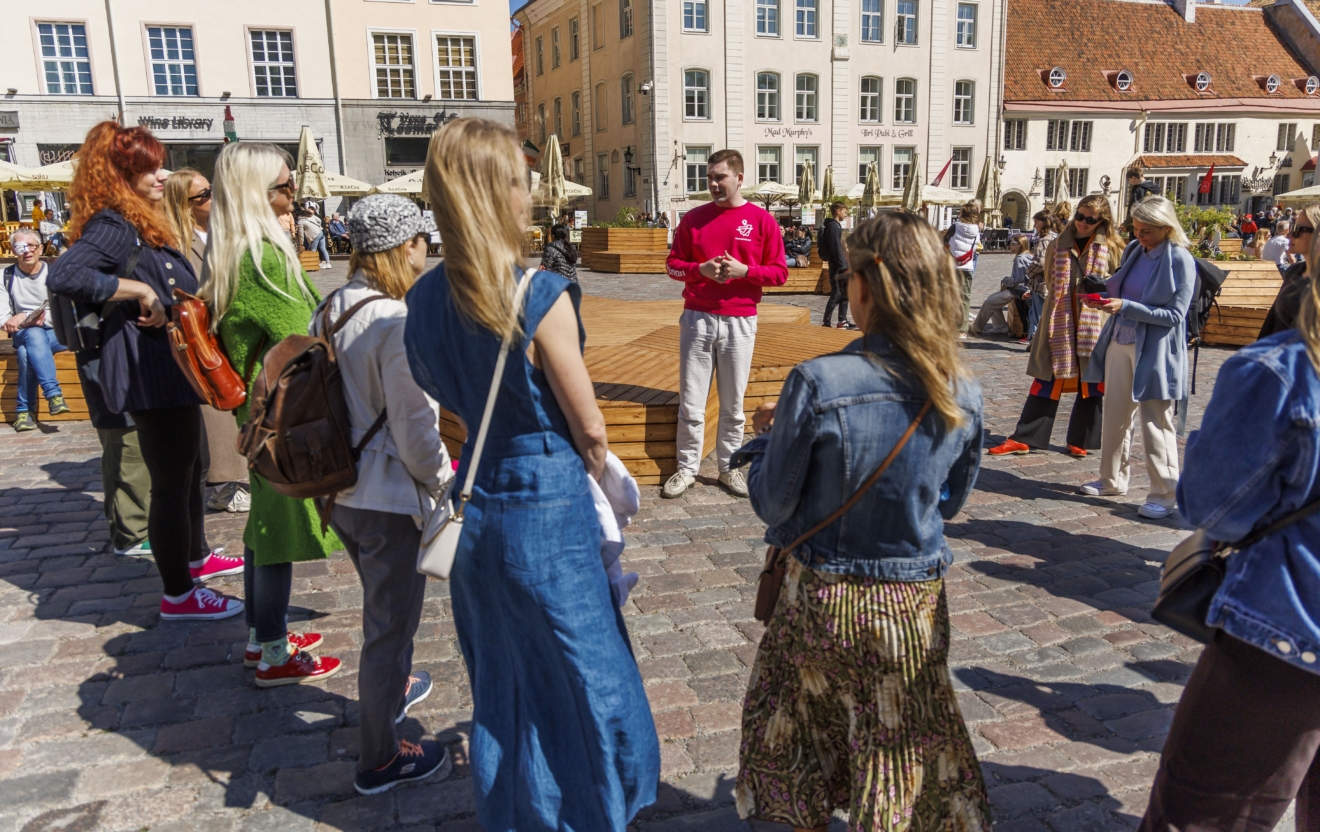
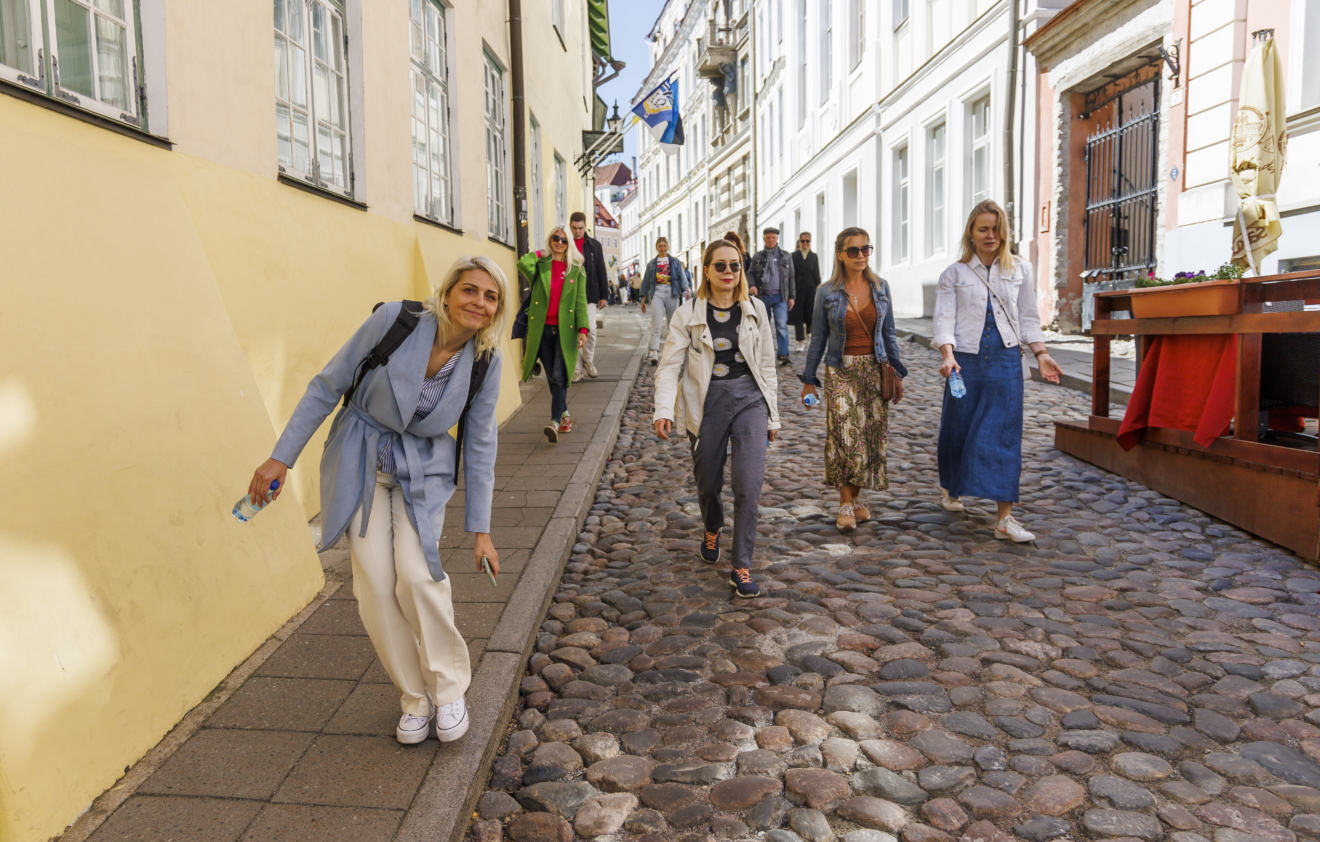
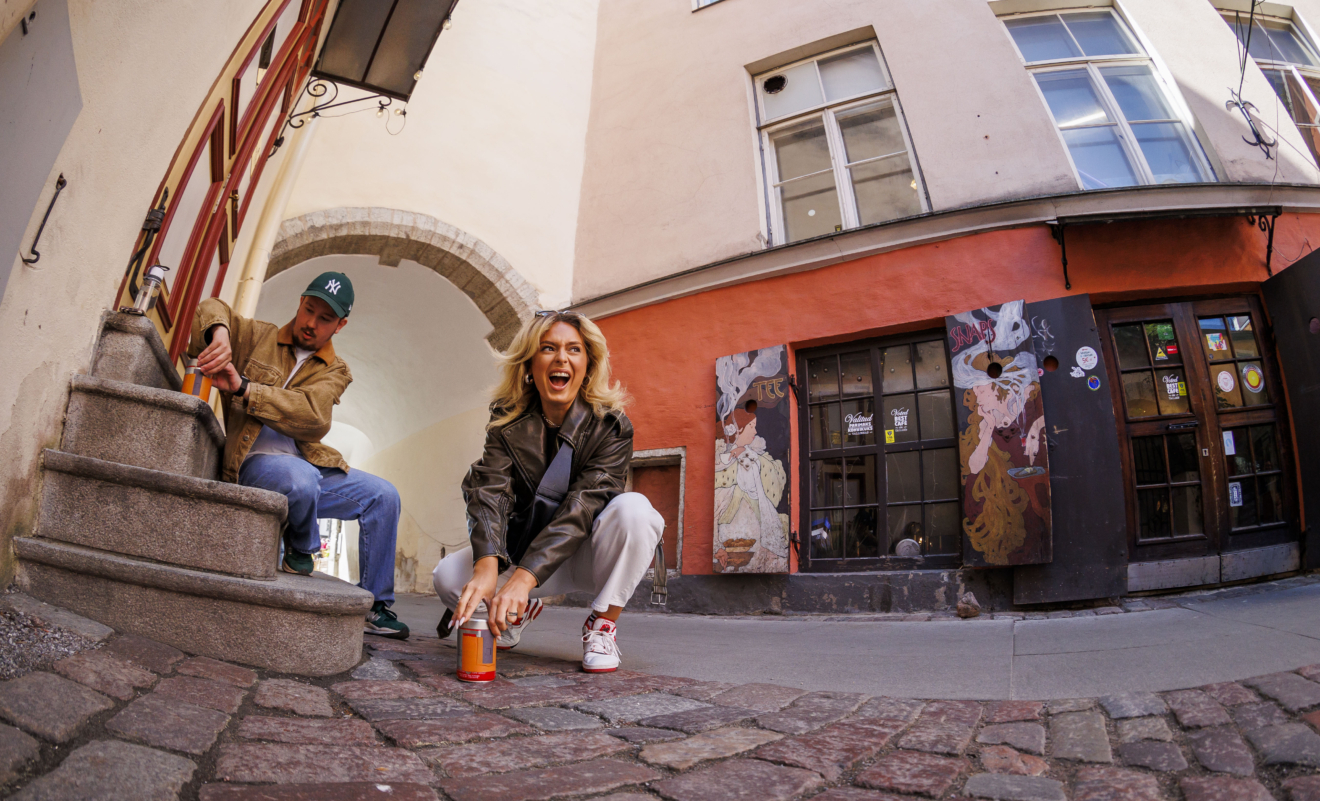
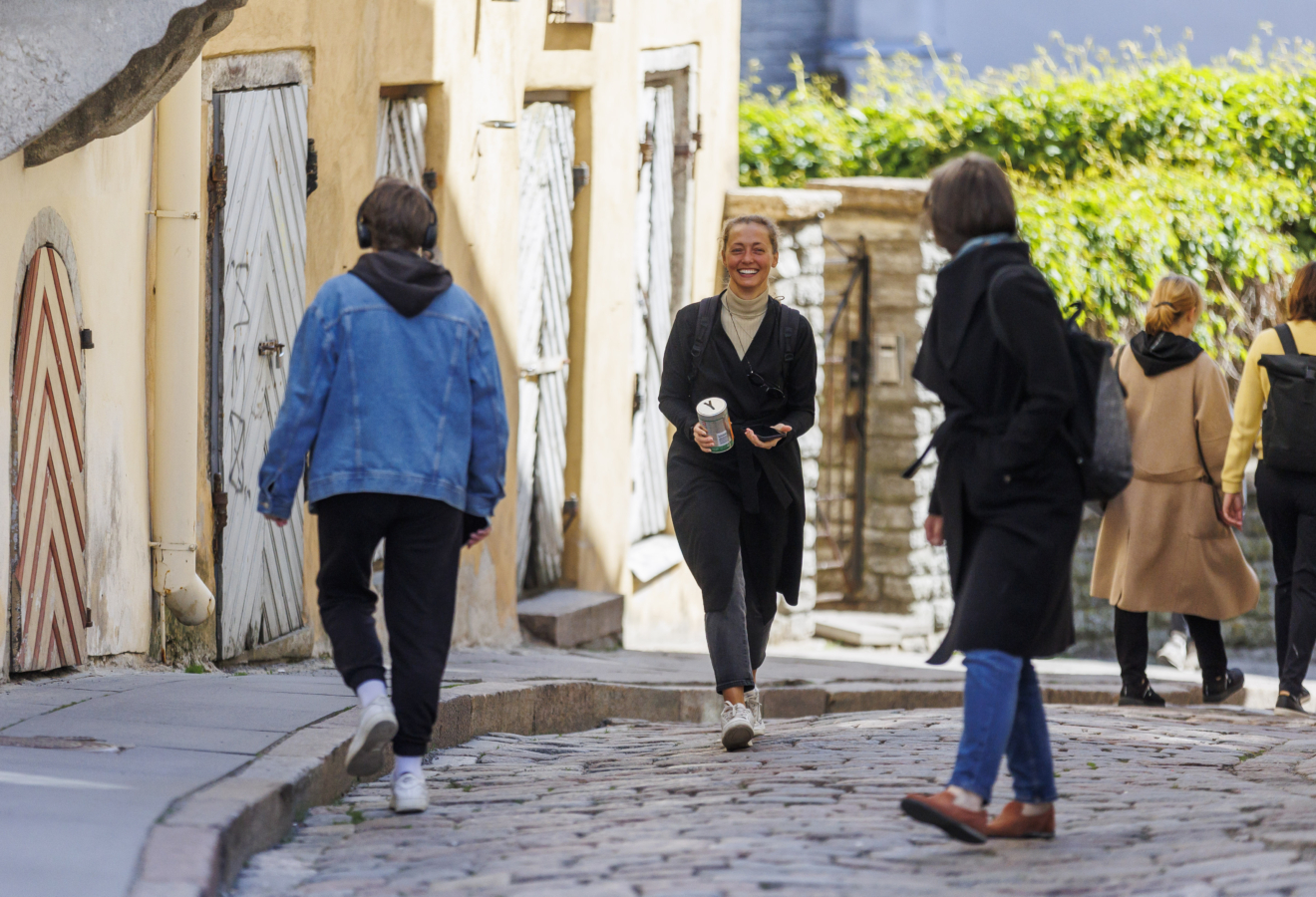
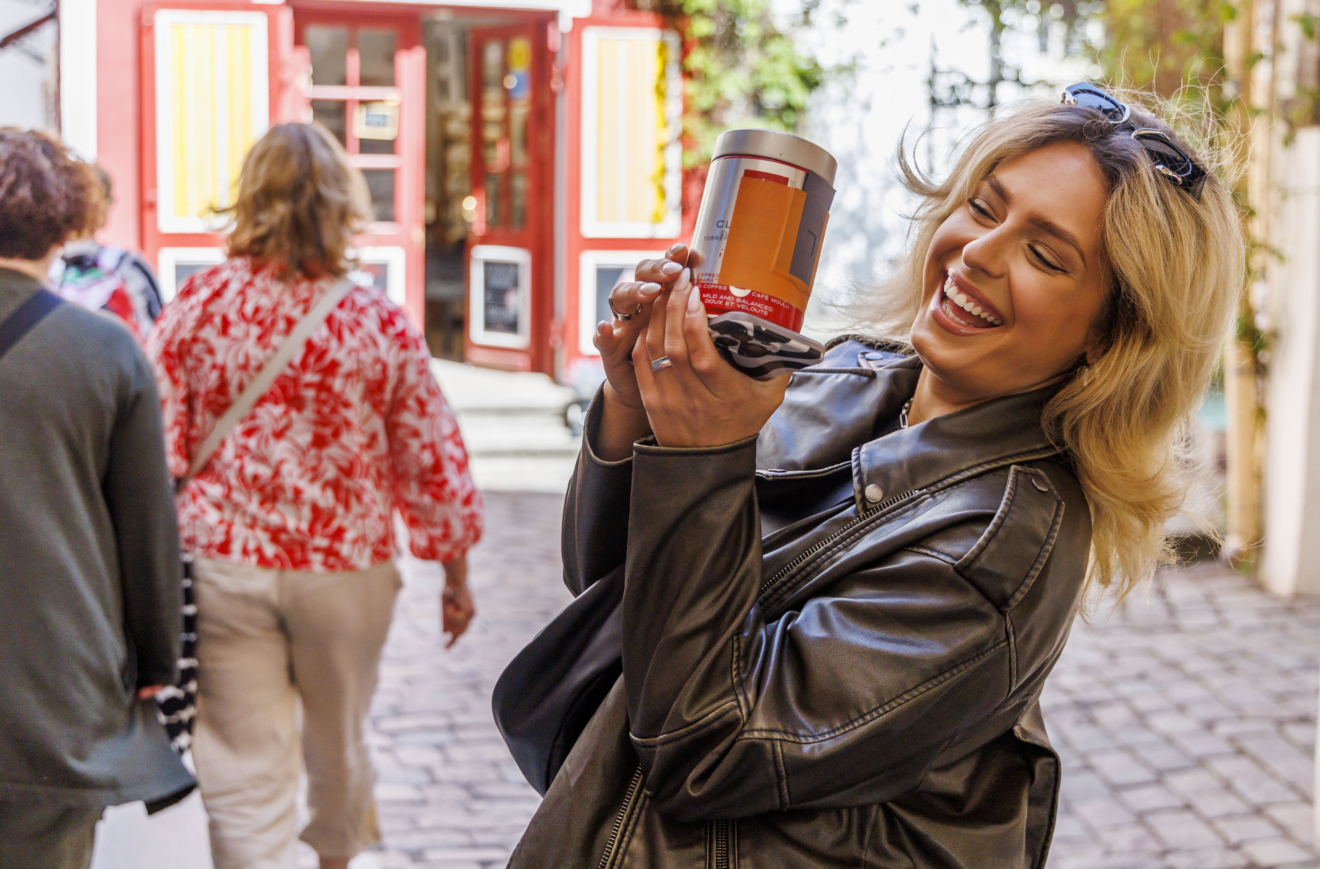
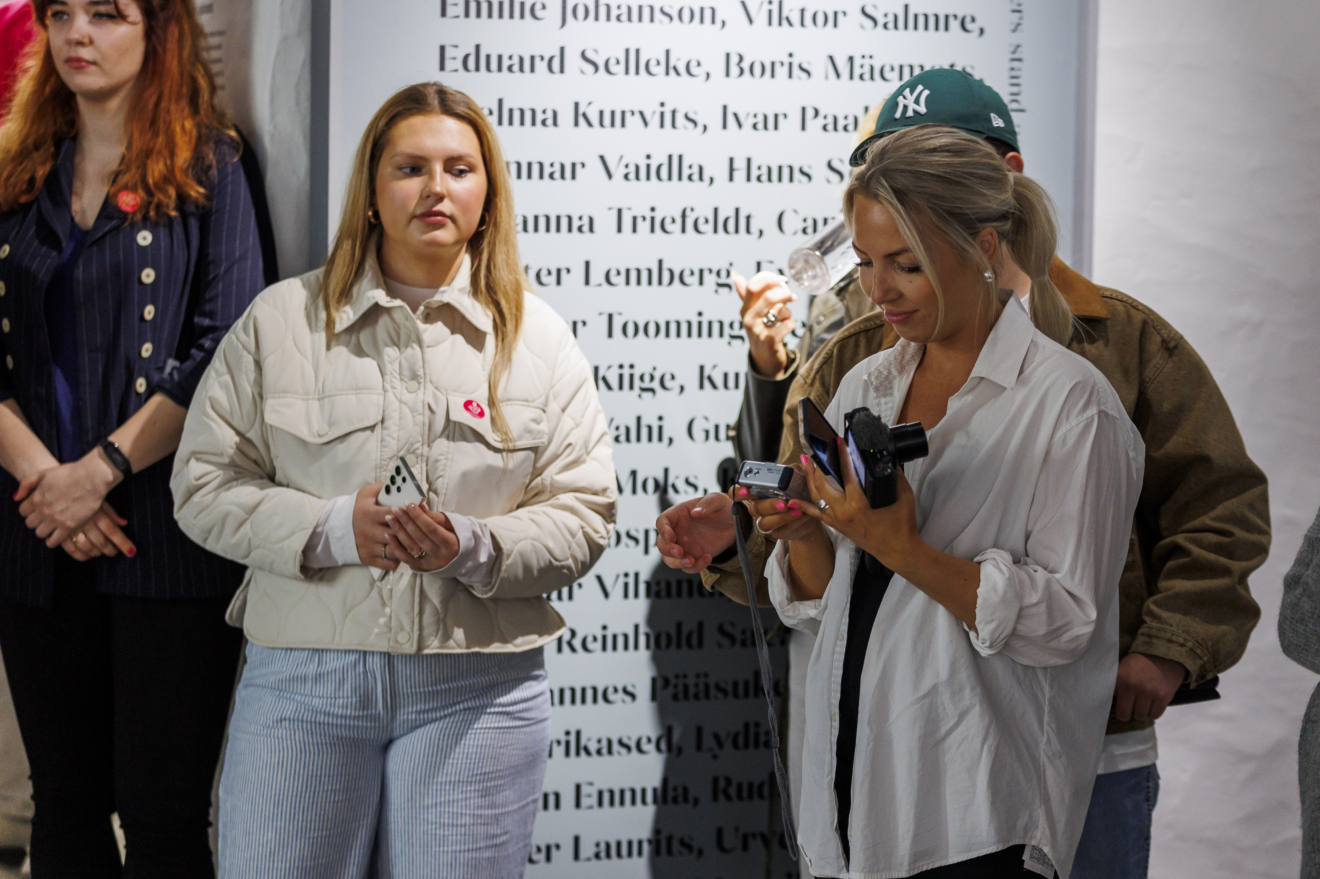
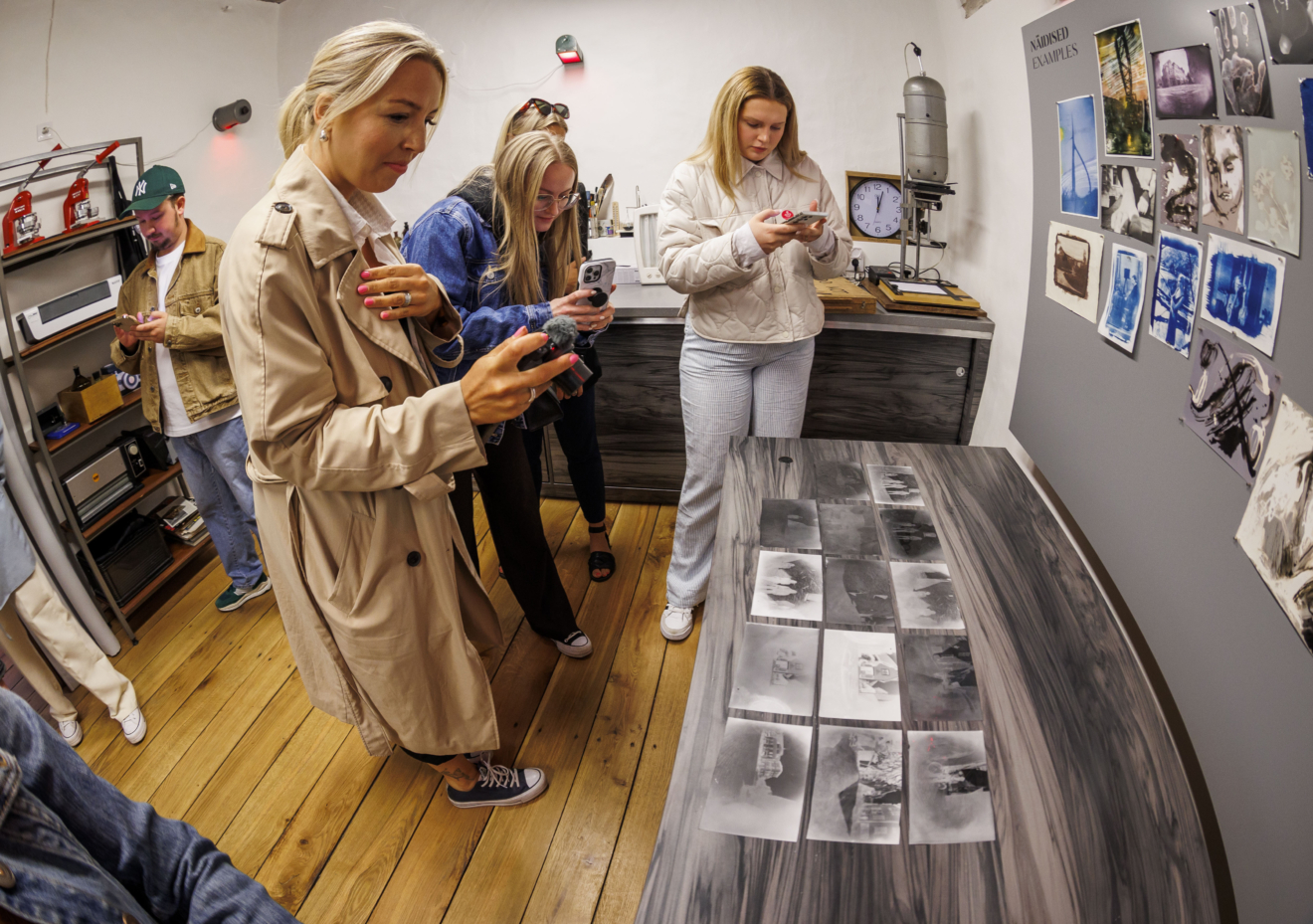
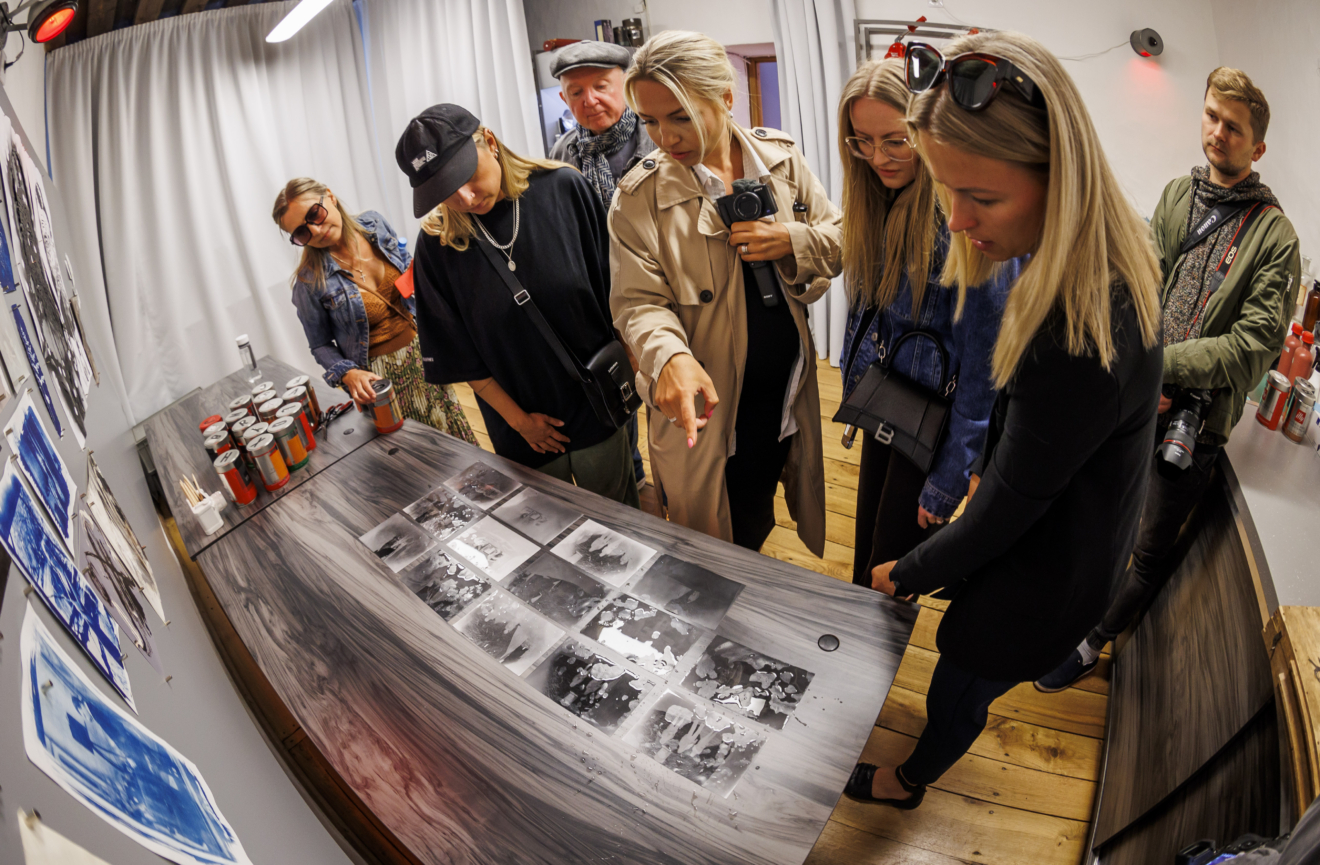
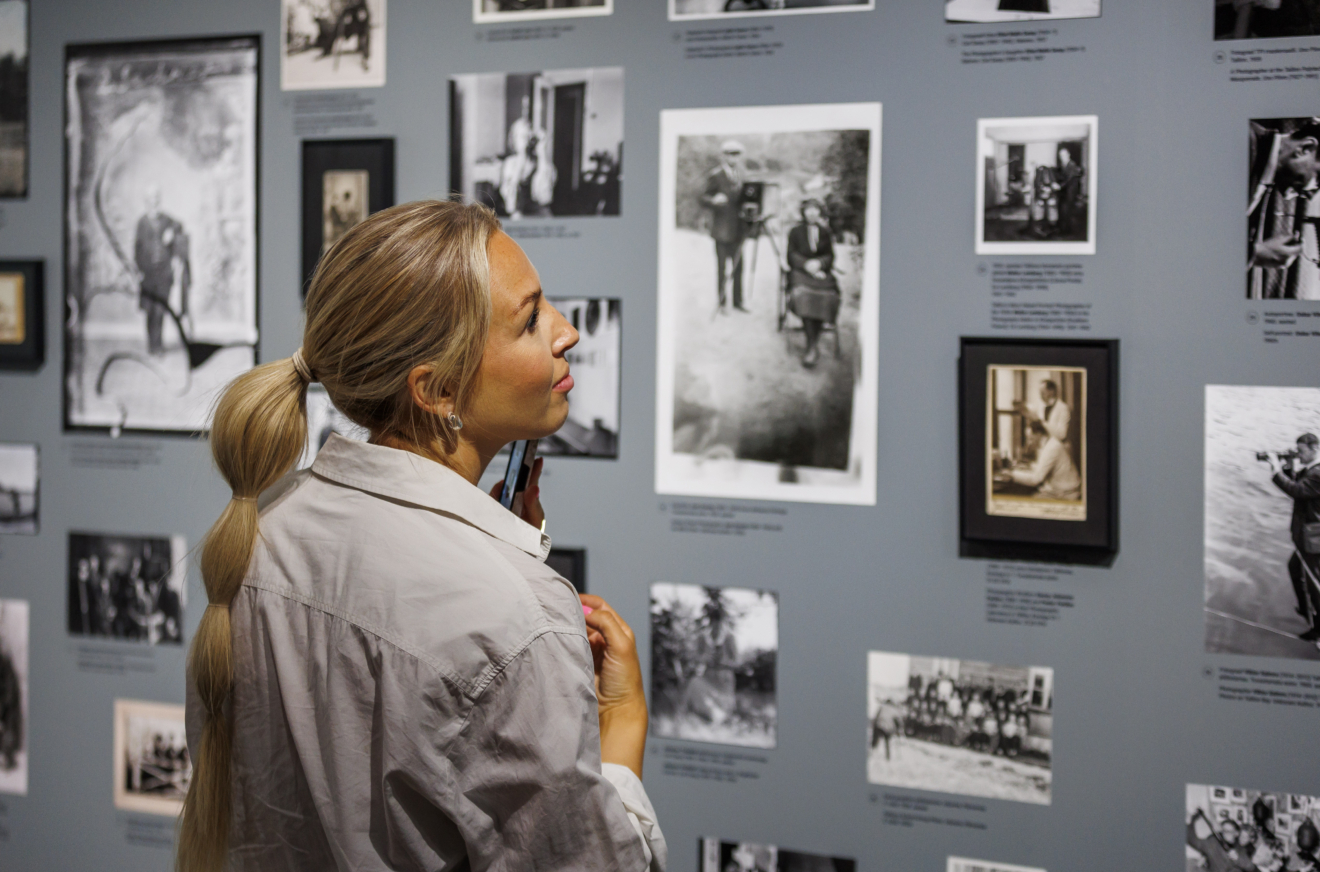
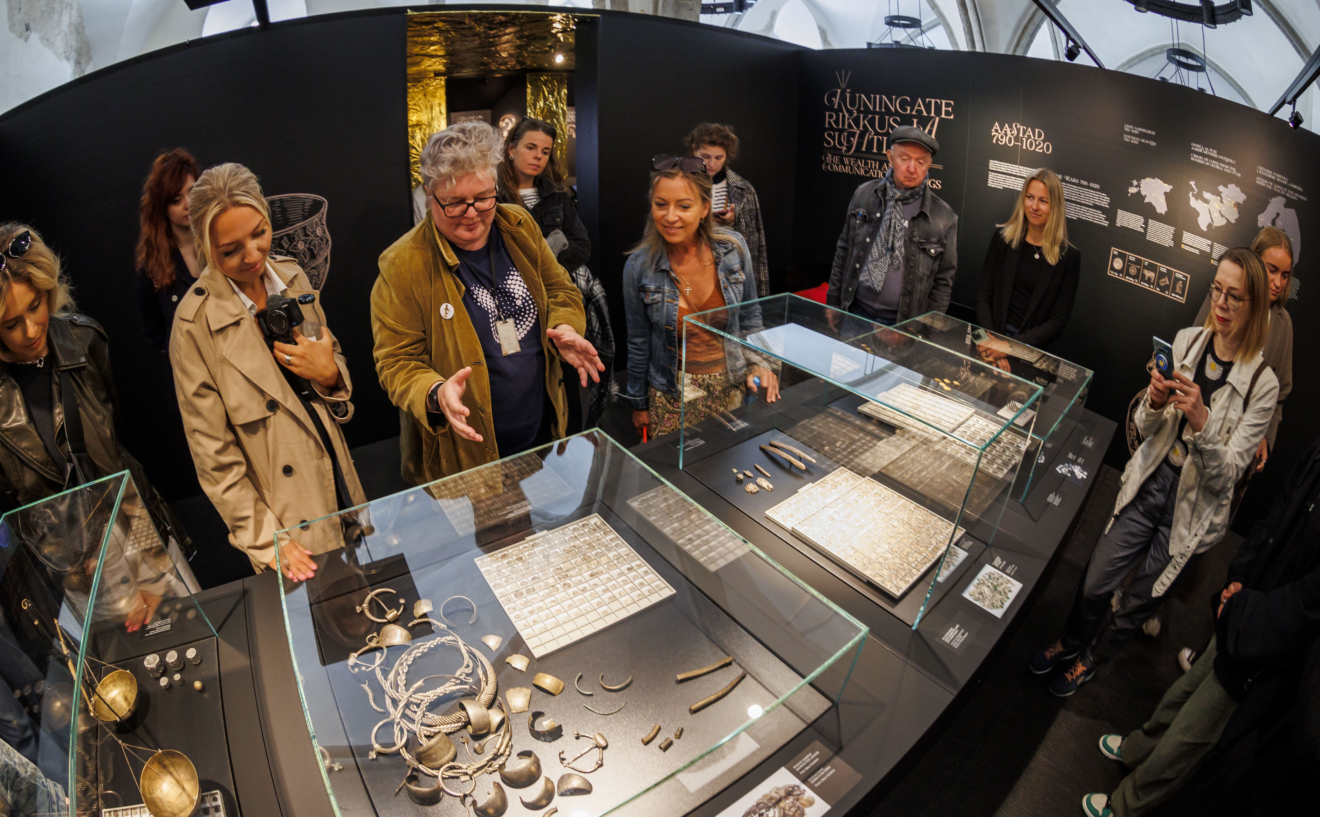
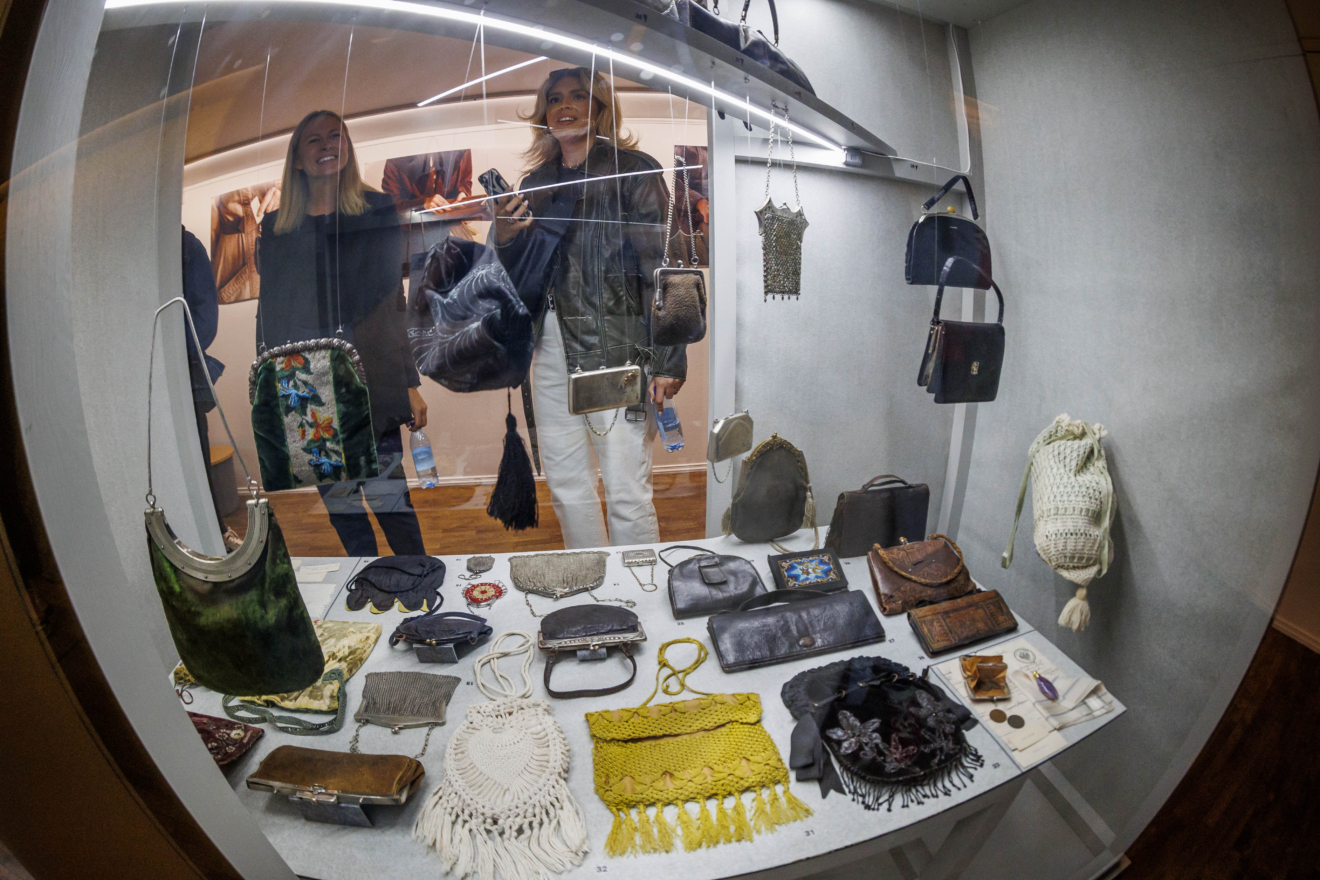
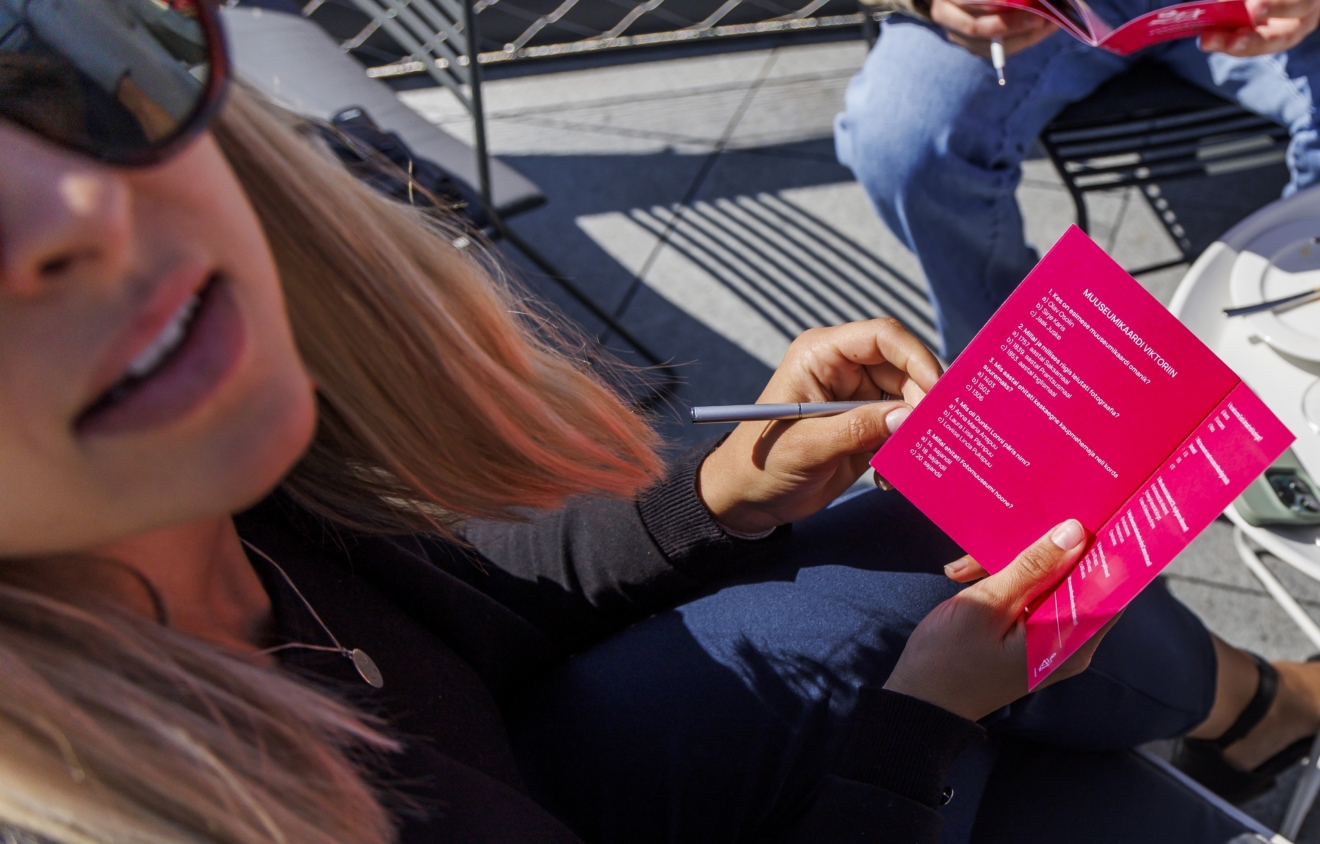
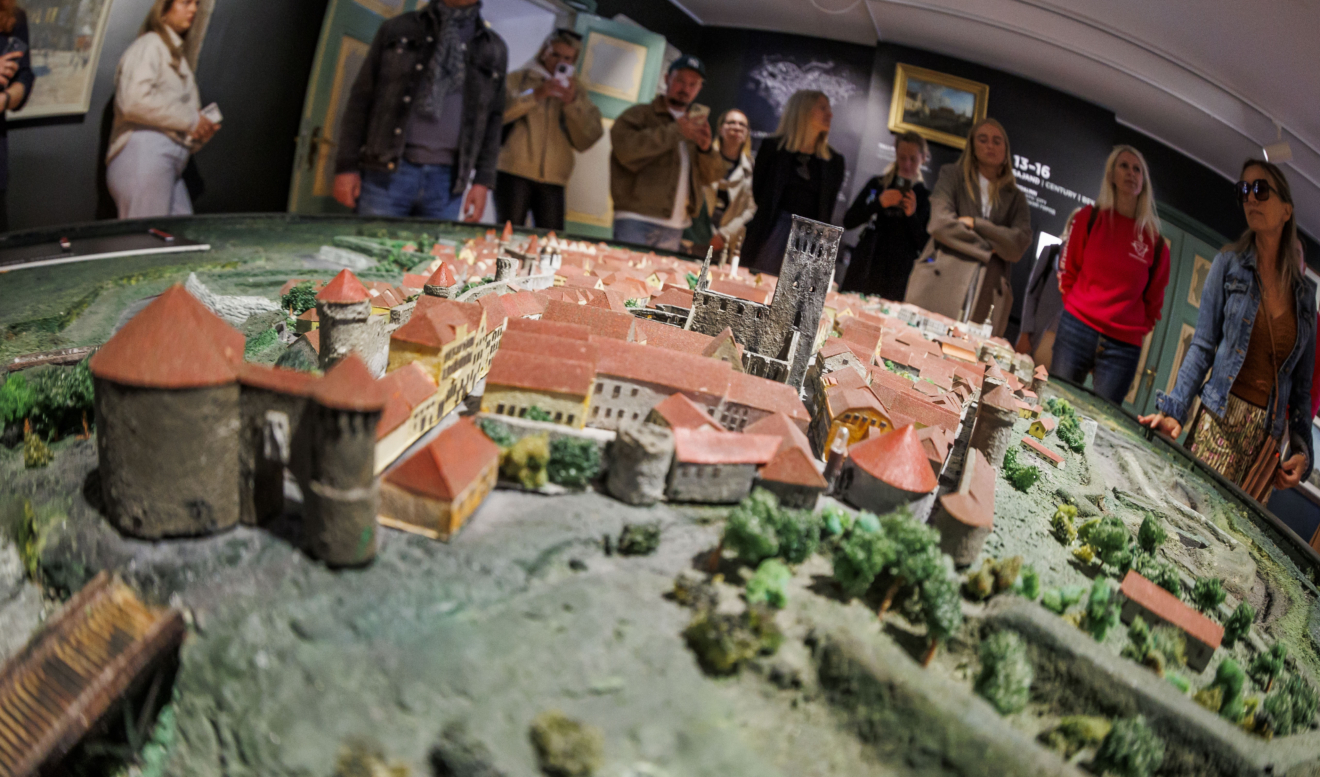
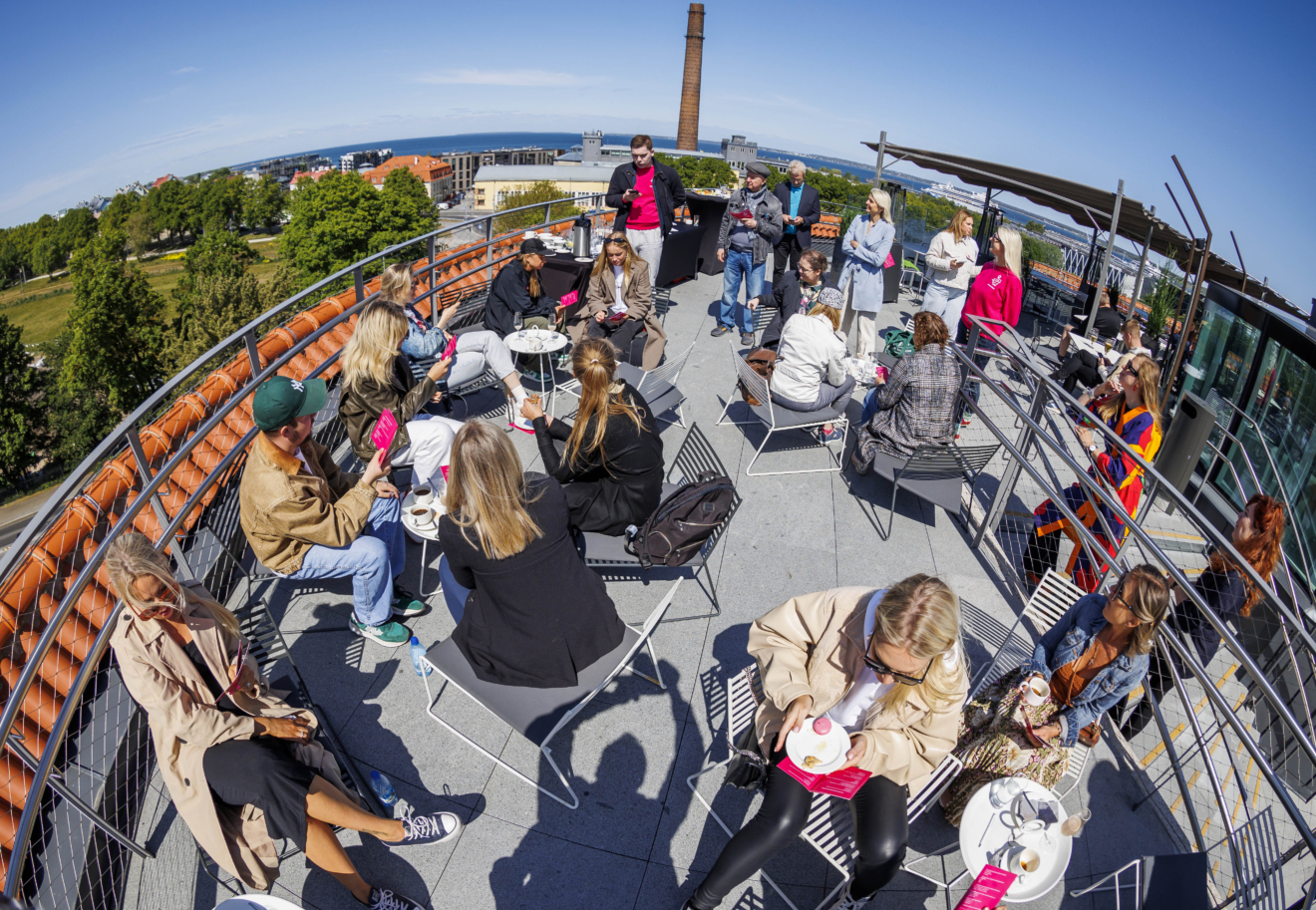
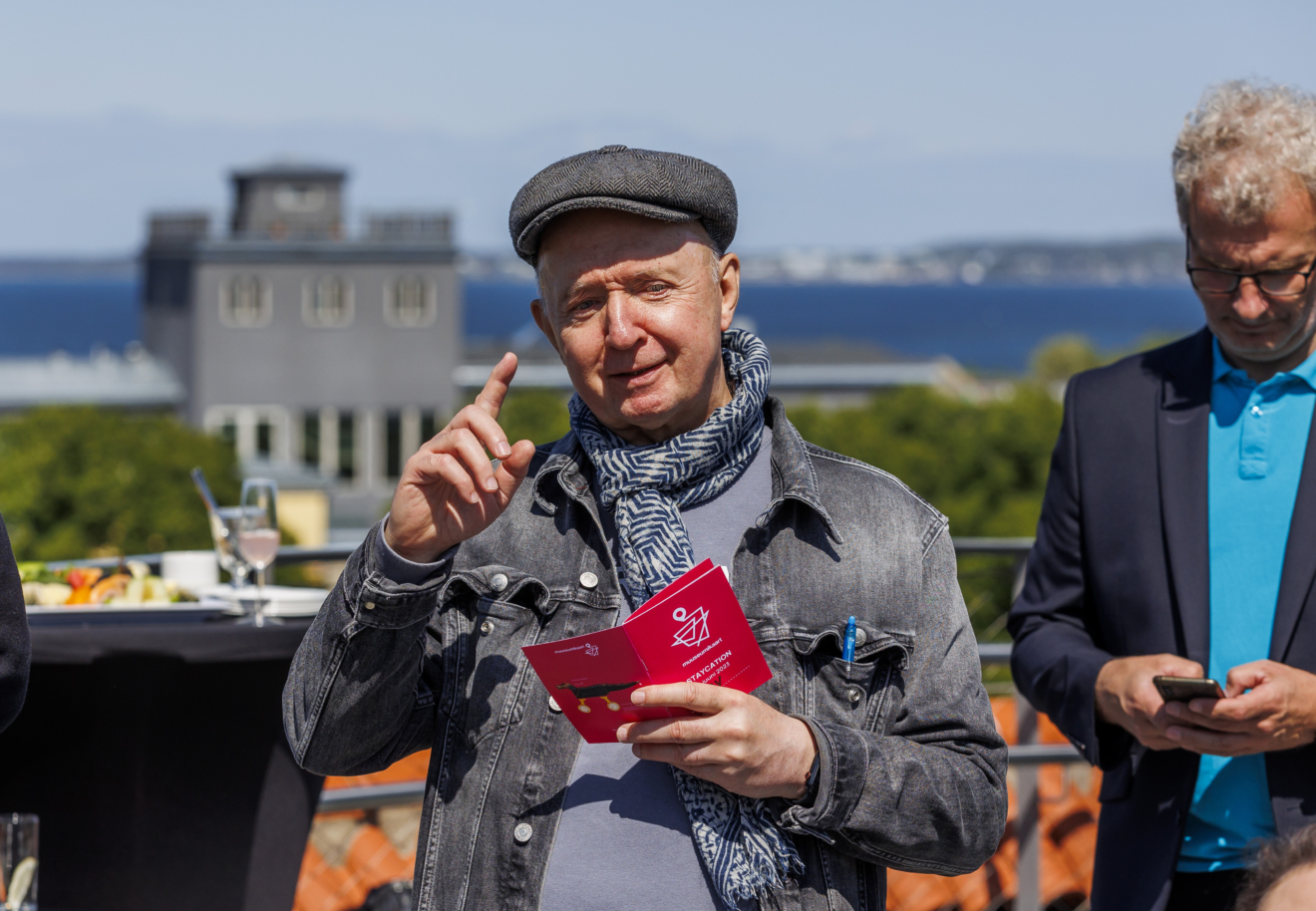
The Museum Card invited well-known museum enthusiasts to Tallinn’s Old Town to show what a domestic staycation could look like.
At the Photo Museum, we took pictures of buildings, towers, and even ourselves using coffee cans. We took pictures just as it was done with the predecessor of a camera, the camera obscura, and then we developed the photographic paper inside the canister.
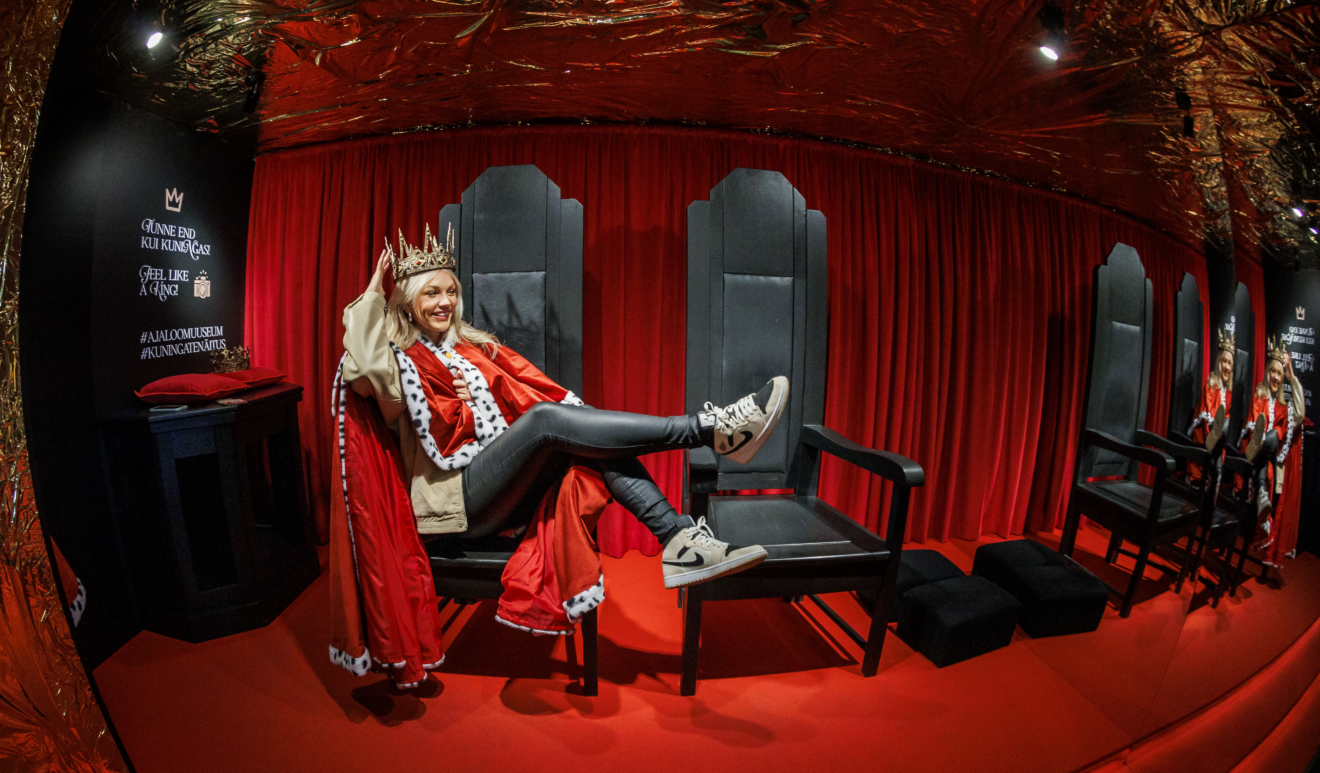
We explored what prevented Estonia from becoming a kingdom in The Great Guild Hall.
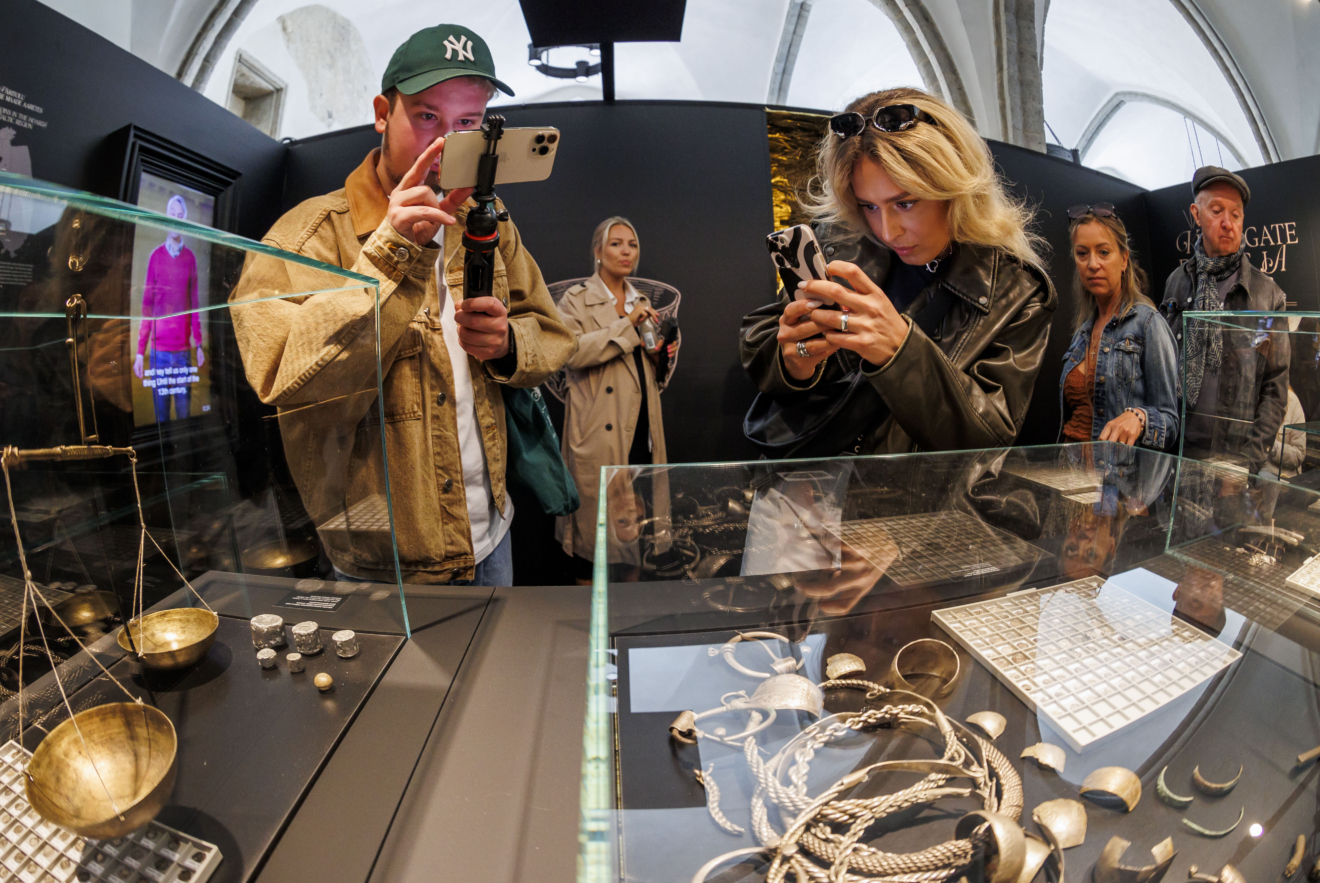
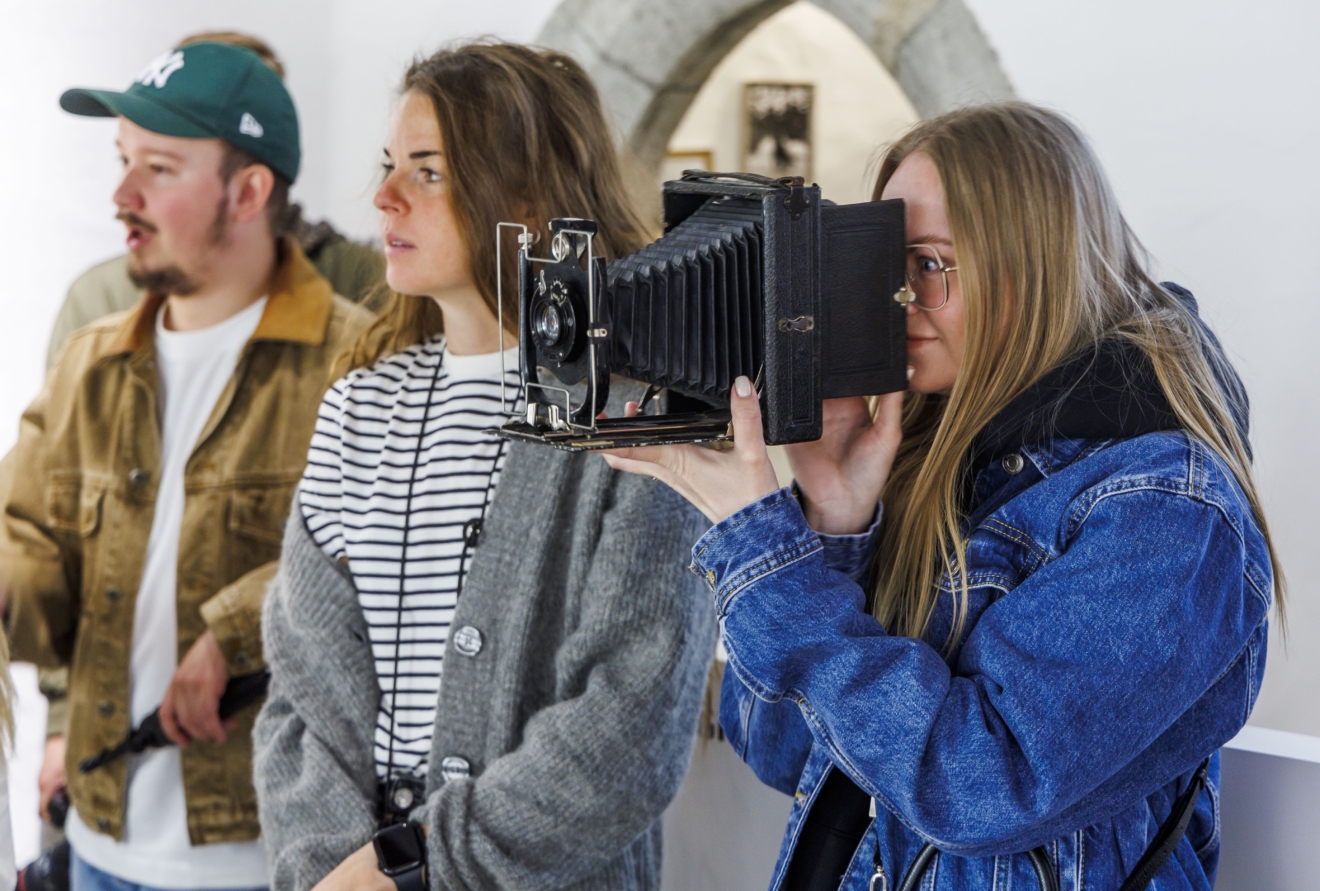
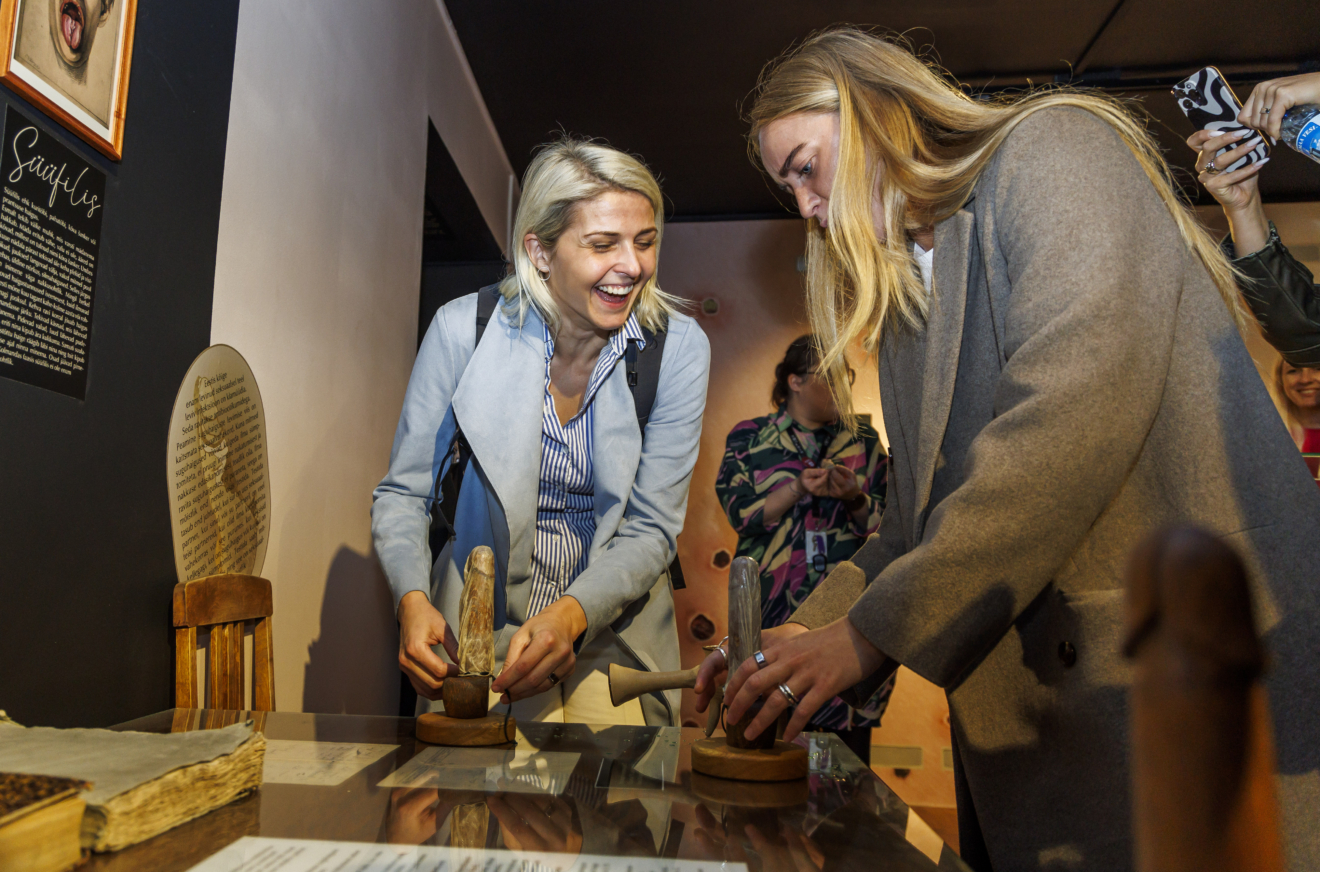
At the Tallinn City Life Museum‘s exhibition “Immoral Tallinn,” we gained an overview of the immoral intimate lives of Tallinn residents from the 15th century to World War II. The day ended at the rooftop café of The Museum and Visitor Centre of Fat Margaret, offering a 360-degree view of Tallinn’s Old Town and the Fish Harbor.
If such a tour seems interesting to you, you can participate in the next Museum Card staycation, which will take place on Thursday, July 6th, from 11:00 to 14:30. Please note that this event is in Estonian! For more information and tickets, please visit the Piletikeskus.
Now you can visit with the Museum Card Heimtali Museum in Viljandimaa, which presents the history of the Estonian national textile art.
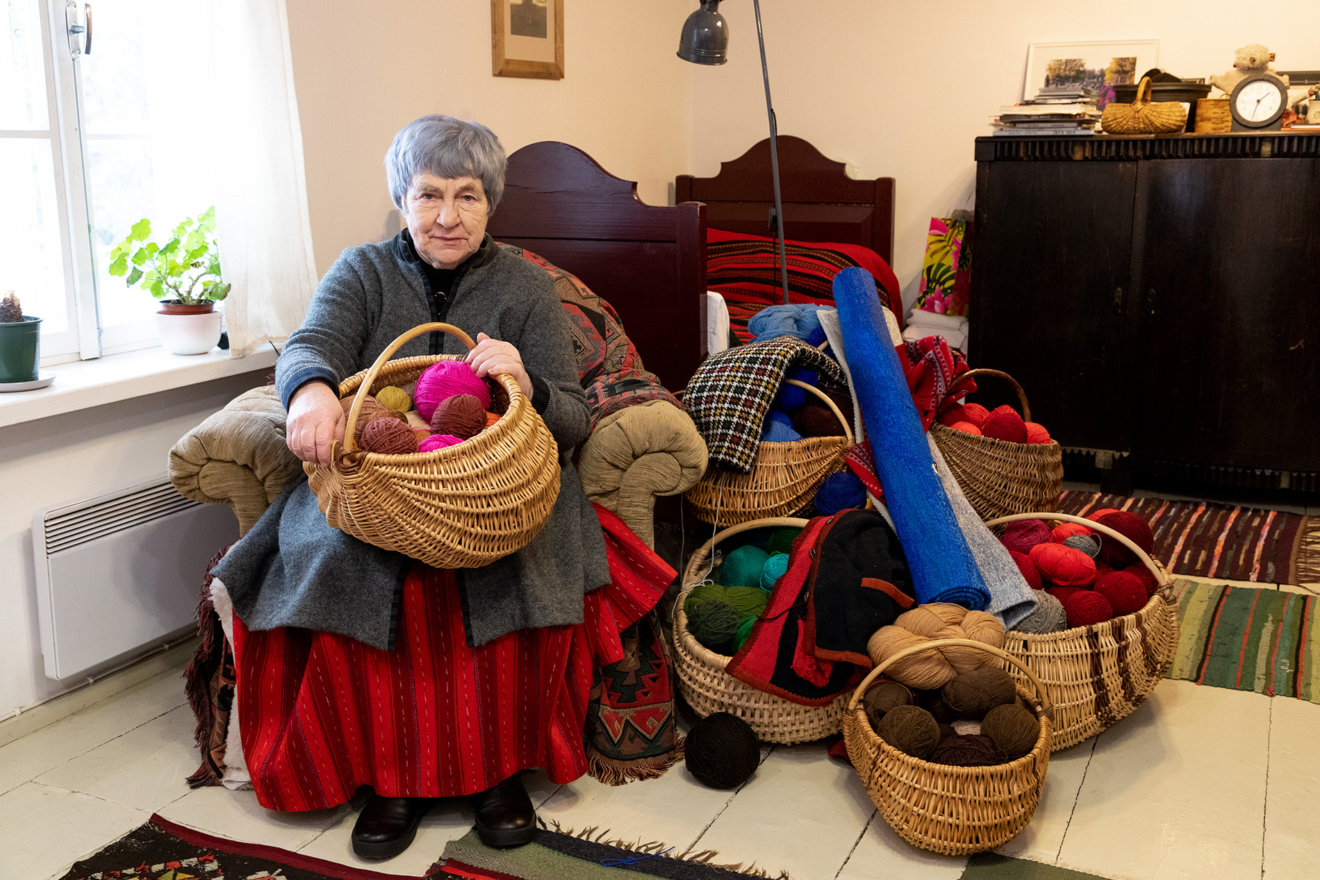
Heimtali Museum is a museum of local history, valued primarily because the objects have remained where they were once made and used. It is located in three buildings, the oldest of which is a more than 150 years old former village schoolhouse.
Heimtali Museum has an extensive collection of national textiles and a library focused on folk art and domestic culture.
Heimtali Museum was founded by the textile artist Anu Raud in 1991. Two decades later, she donated the museum to the Estonian National Museum. This year, Heimtali features several exhibitions encompassing Anu Raud’s life and work under the collective title “Anu Raud. Patterns of Life.”
Visit with a Museum Card
Virtual Time Travel Experience “VR Tallinn 1939/44″(Closed in January 2026)
In the tunnel, Vabaduse väljak 9, 10142 TallinnThe Under and Tuglas Literature Centre of the Estonian Academy of Sciences
Väikese Illimari 12, Tallinn
Read how Maria Siimo, a mother of two, has a lovely family tradition related to museums and why she bought a Museum Card for each family member.
I’m Maria, a 32-year-old mother of two. Our family has traveled a lot and visited many museums. We are more enormous museum enthusiasts than average. We were excited when we heard through our circle of friends that the Museum Card for Estonia would soon be available.
Museum Card for the whole family
We bought a Museum Card for our daughter’s seventh birthday and also for the other family members. Along with the card, we promised that our older daughter would spend quality time at a museum with mom and dad at least once a week. Our love language is quality time together, and our daughter was thrilled with the gift.
I think the Museum Card makes an excellent gift for a kindergarten or school graduate, someone starting first grade, a teacher, or, why not, a mom, grandma, or a daughter. It’s an opportunity to do something together, and if you’re a frequent museum visitor, it’s also cost-effective.
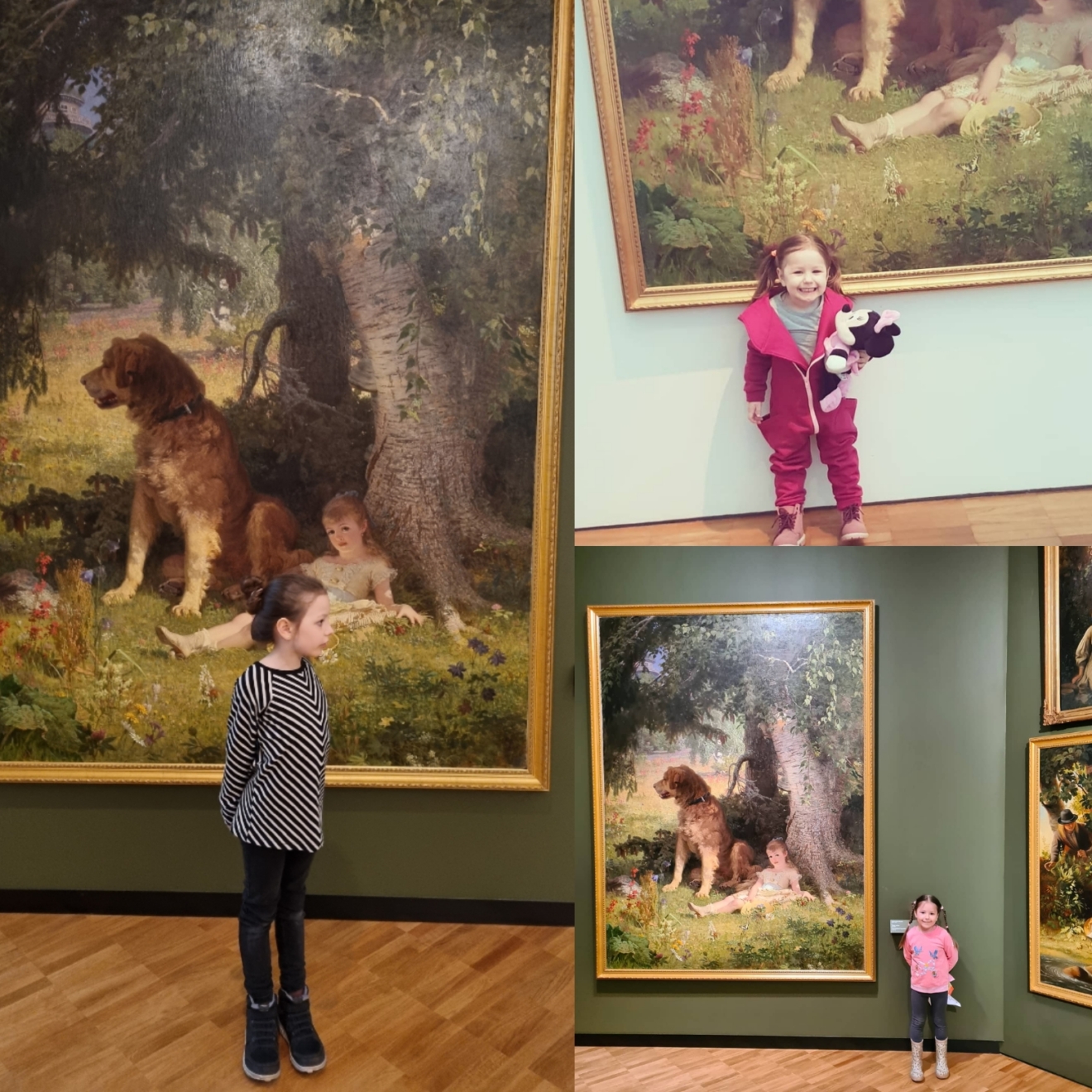
We take a new picture every year.
Our family’s favorite museum is the Kumu Art Museum. My daughter grew up next to Köler’s “The Faithful Guardian.” We take a picture of this painting almost every year.
Photos: Birgitvisuals and private collection

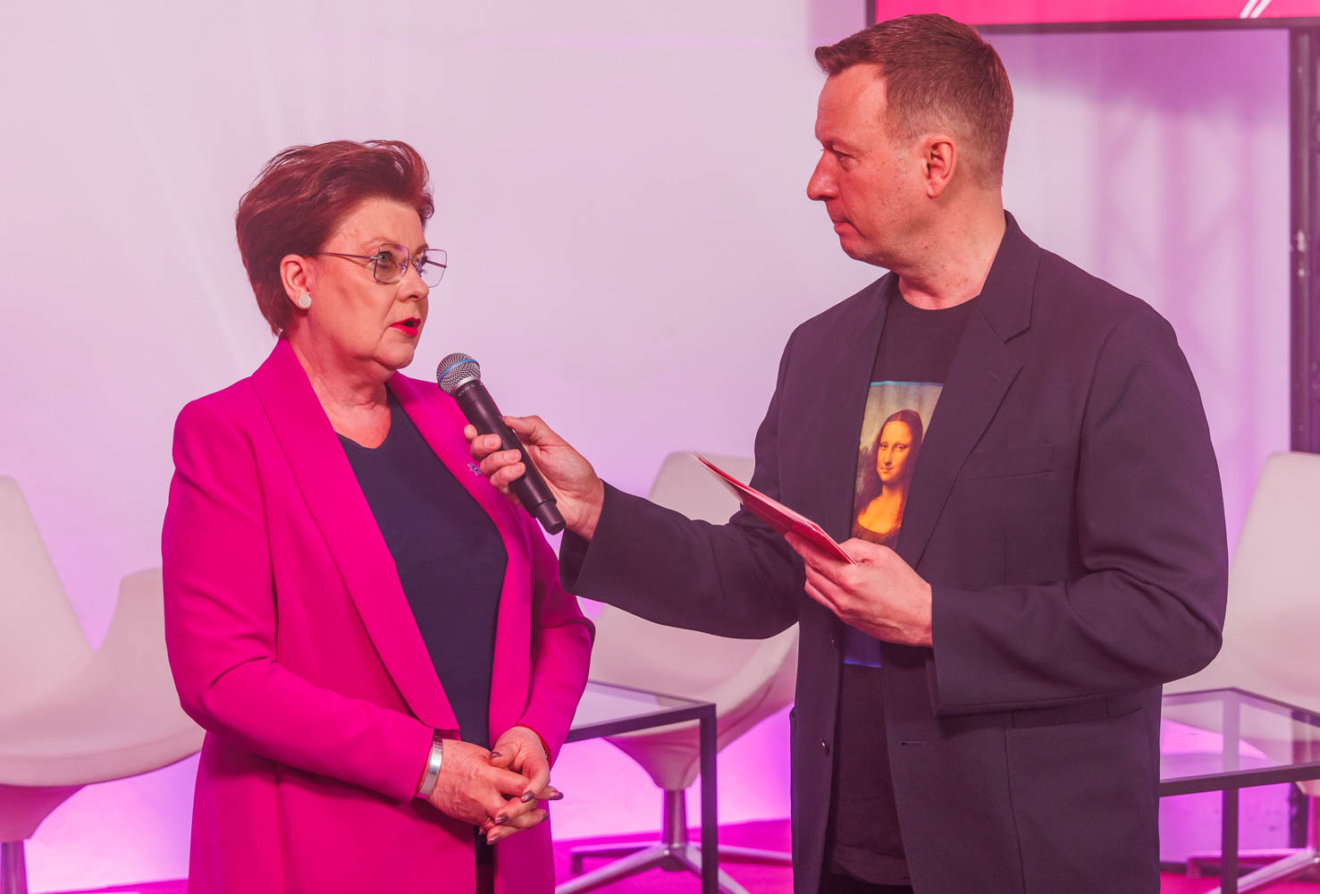
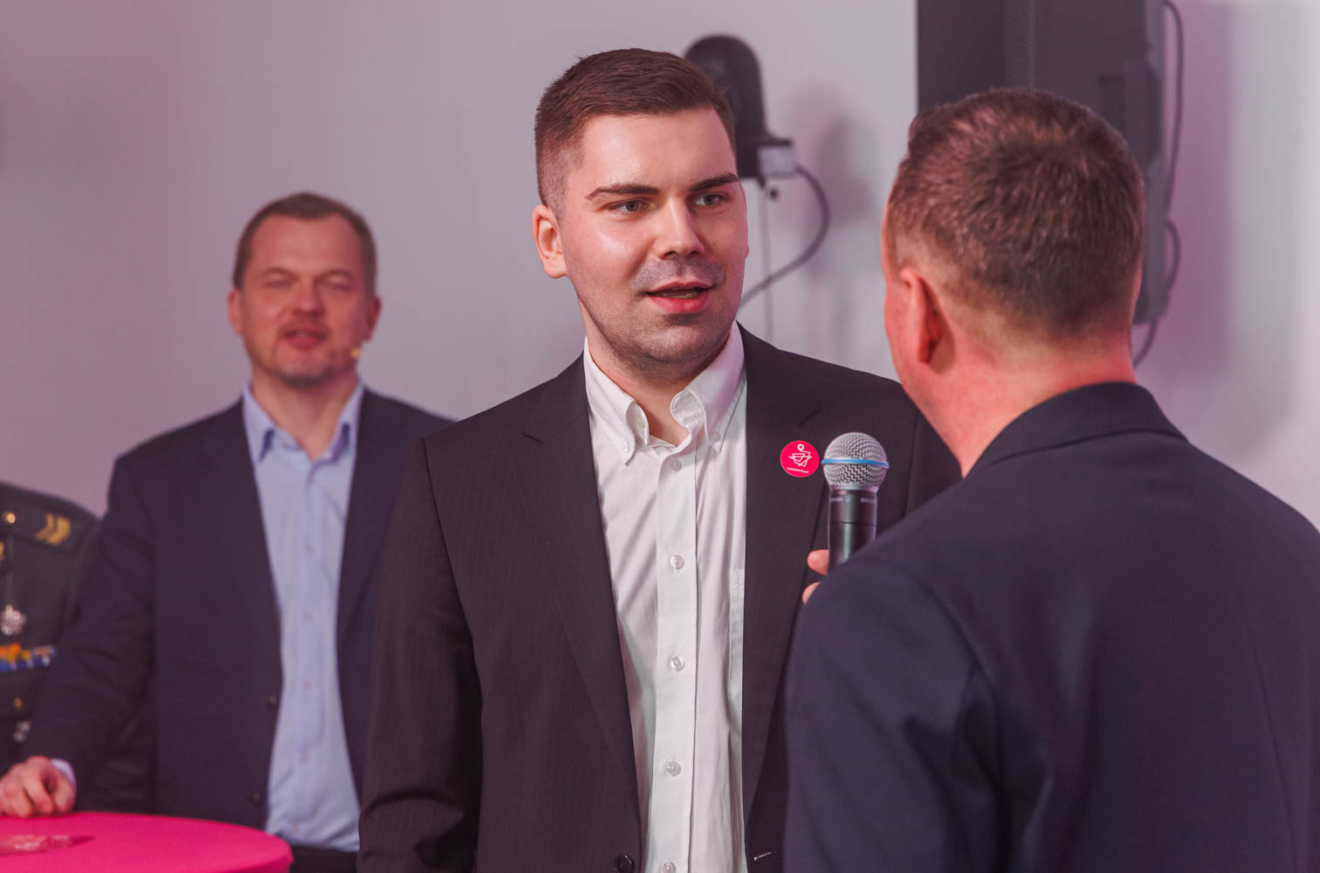
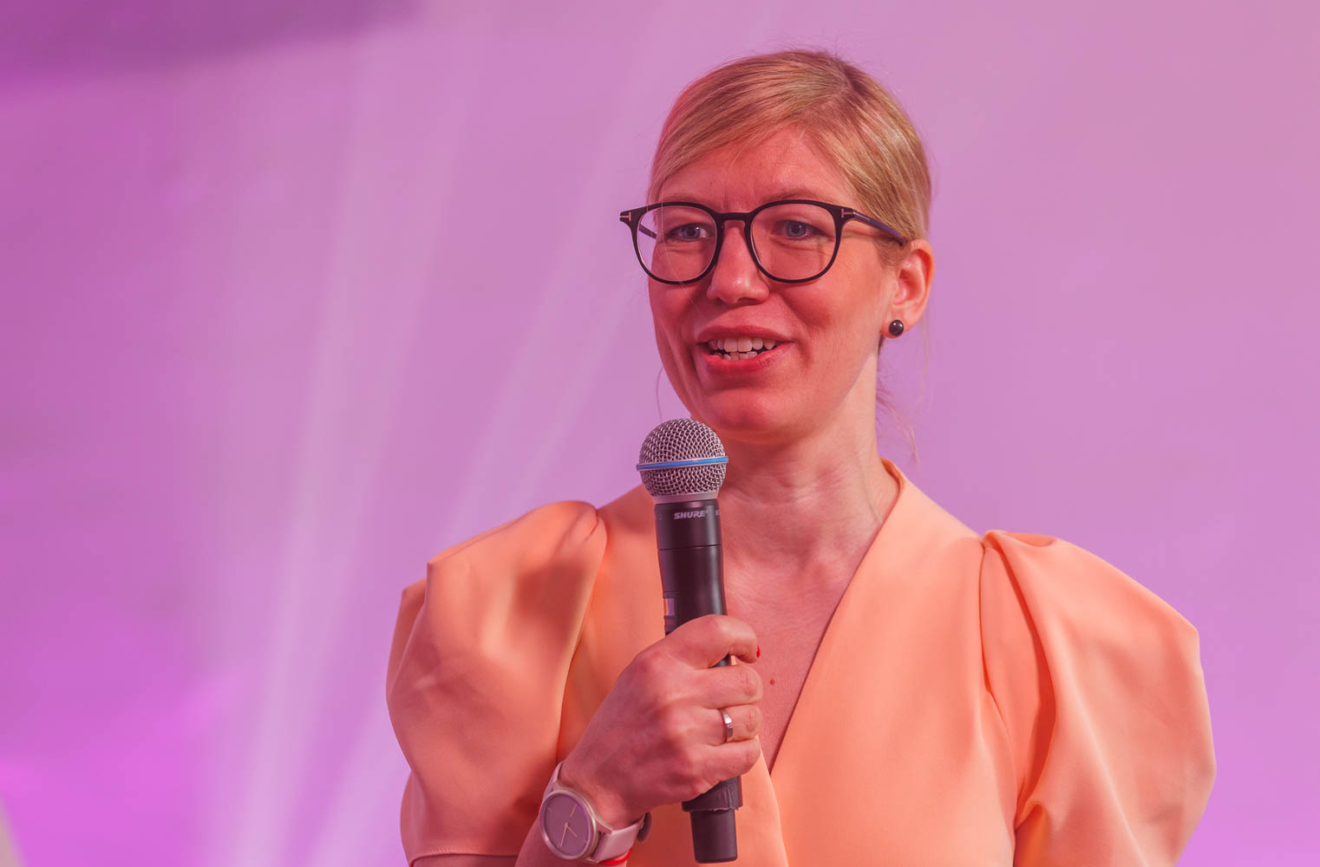
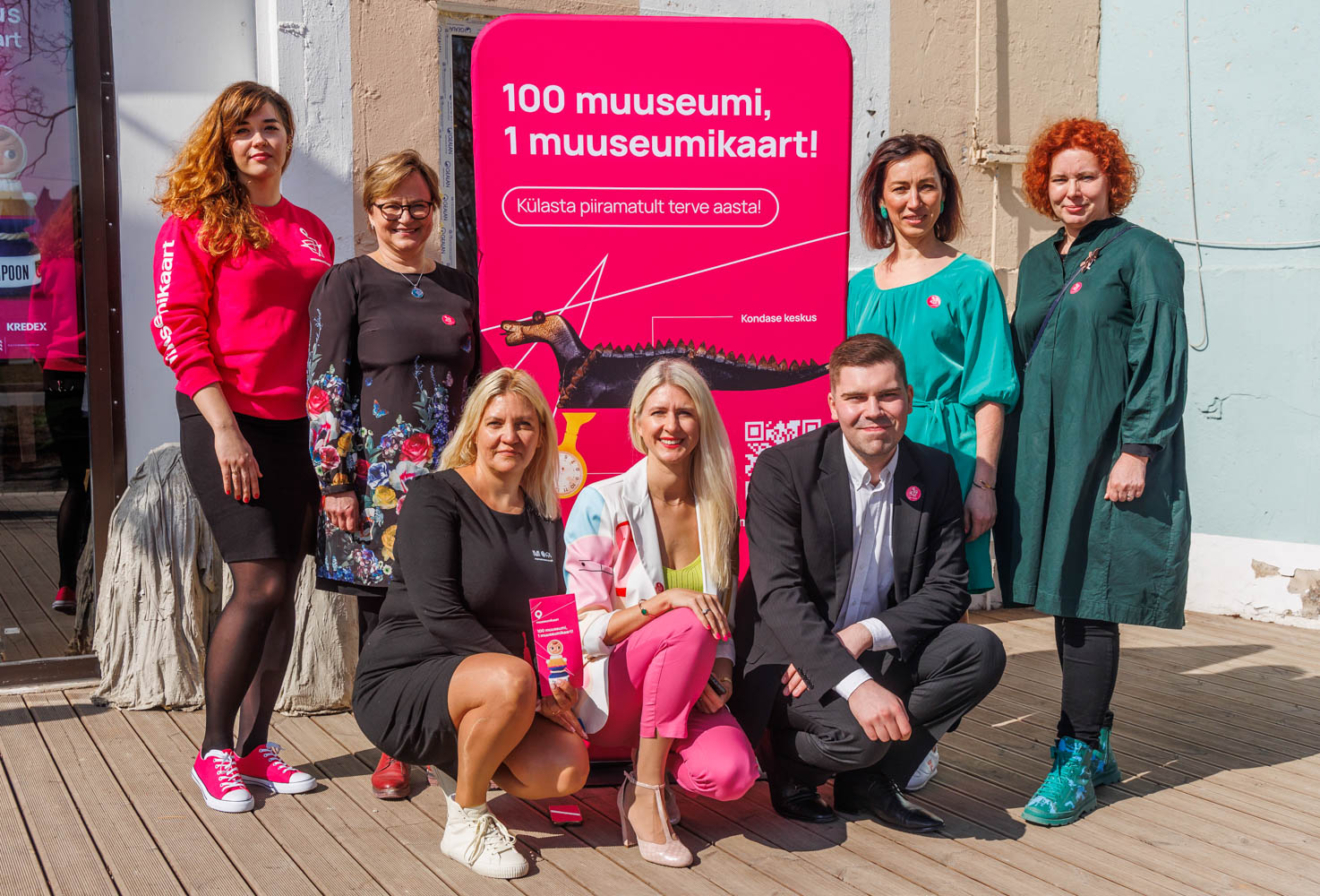
Every museum friend can now purchase a yearly museum card, which guarantees unlimited access to 100+ museums and 500+ exhibitions all over Estonia. The very first card belongs to Sirje Karis, a lifelong museum friend and the spouse of the President of the Republic of Estonia.
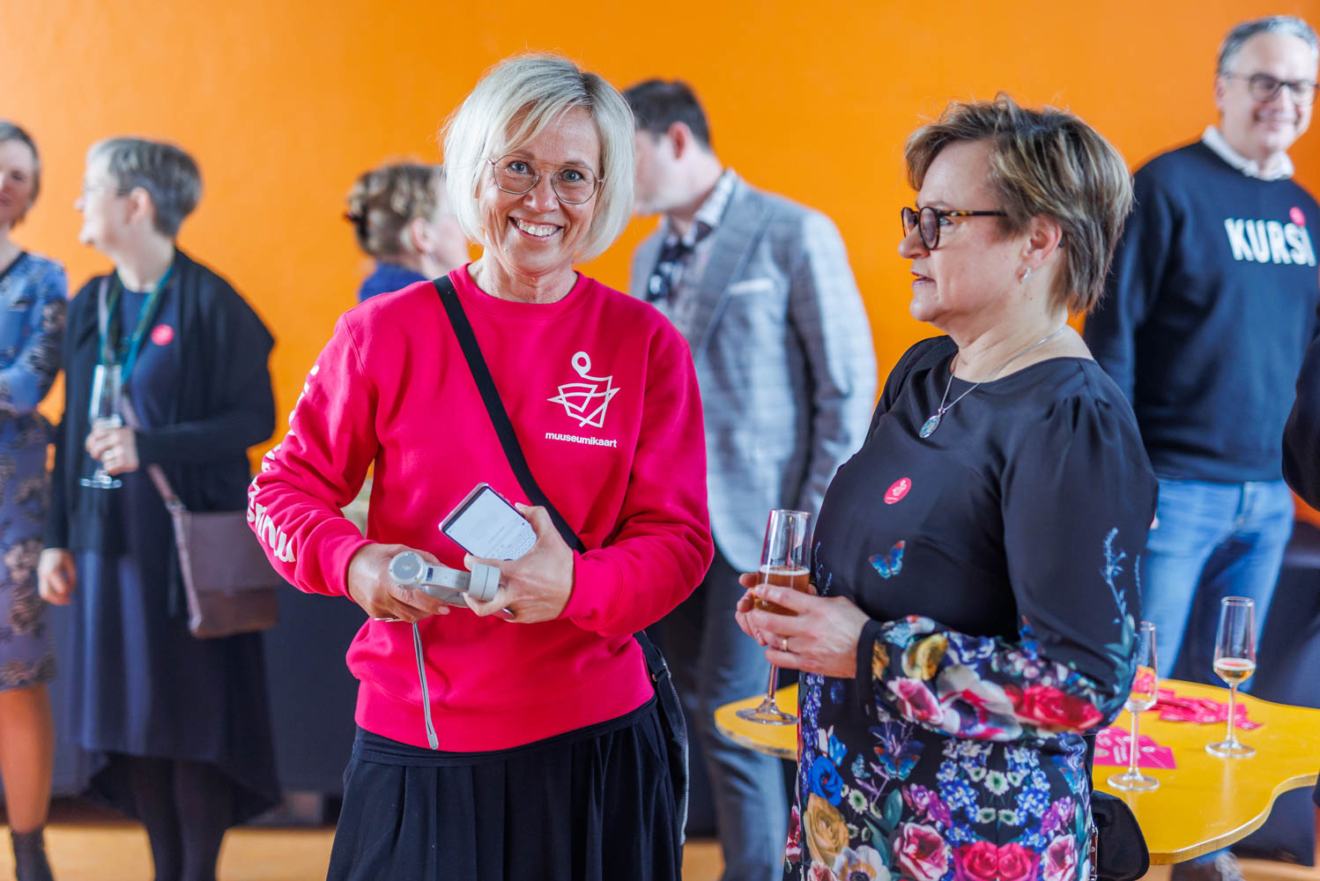
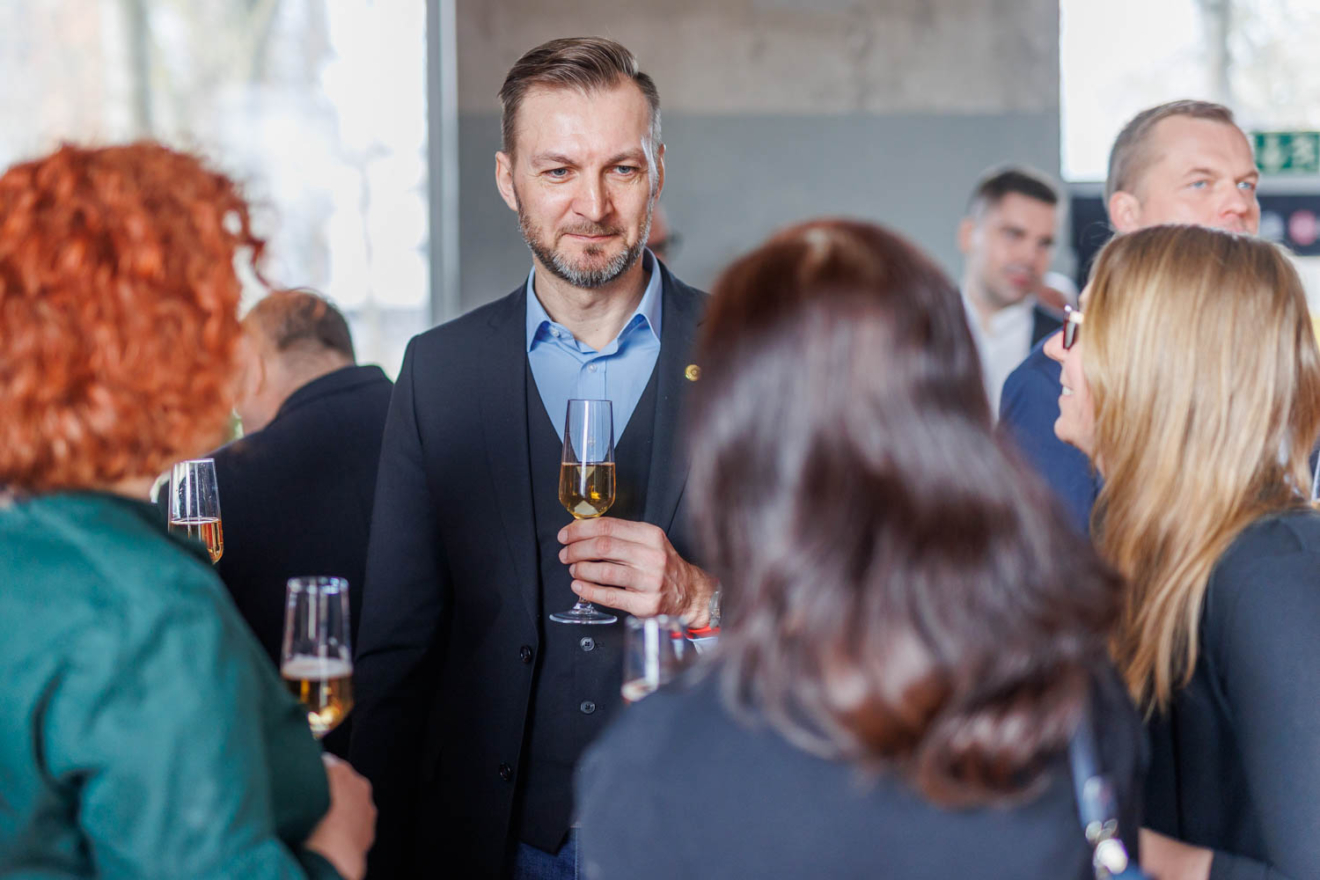
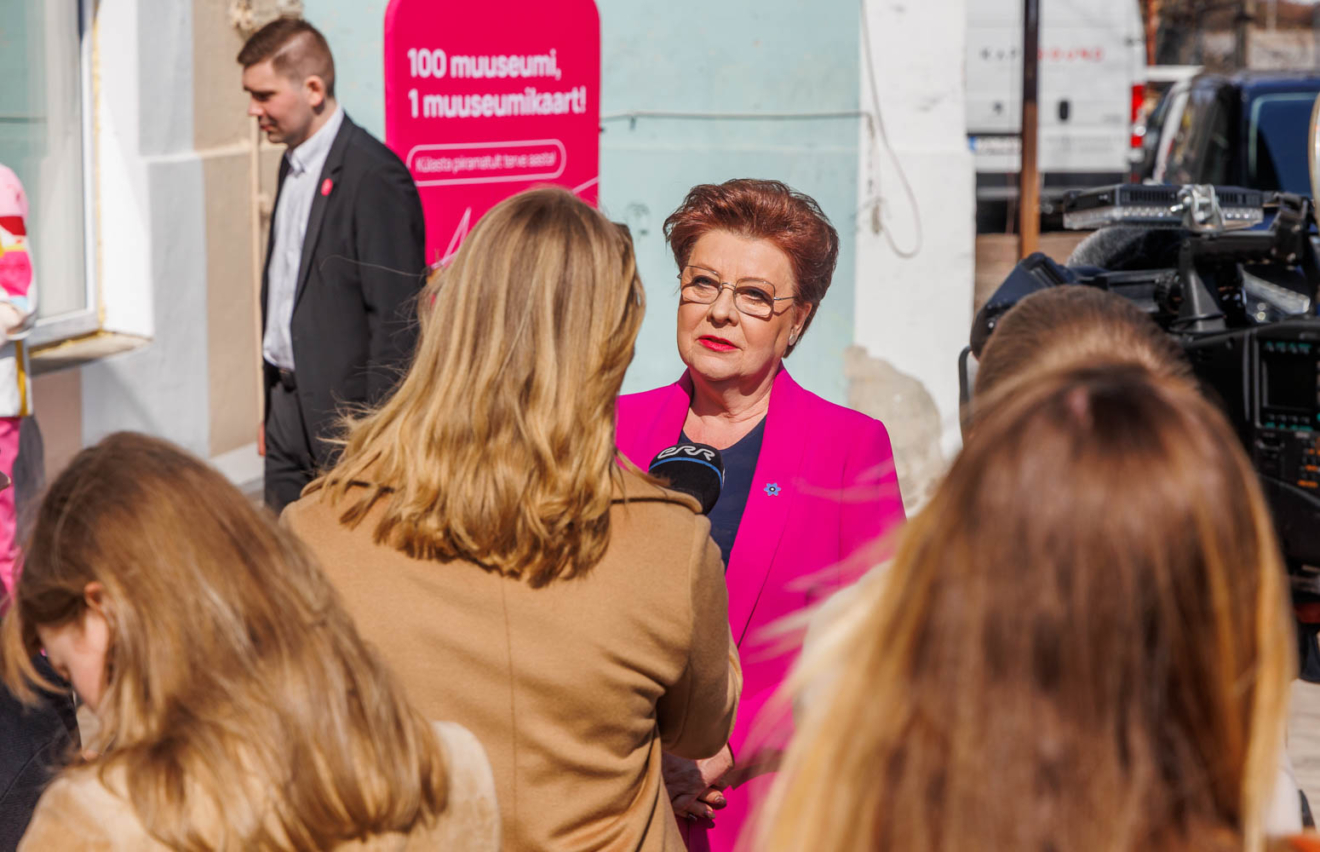
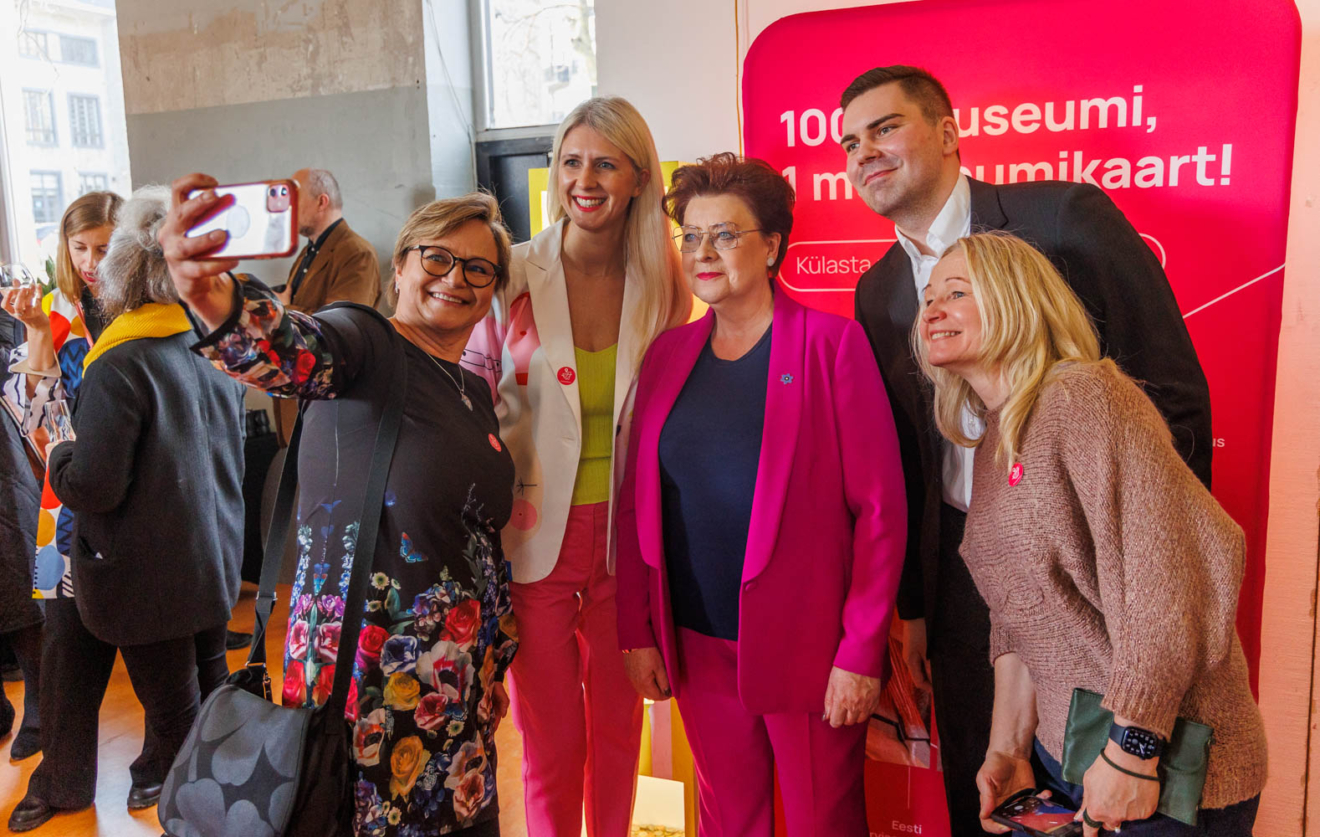
„ Estonians are a culture-loving people, and our museums do invaluable work. I believe that the museum card significantly increases the number of visits to museums and all museum lovers will find an exhibition that they like and are interested in,“ said Sirje Karis, the spouse of the President of the Republic of Estonia, in the Museum Card opening event today in the Contemporary Art Museum of Estonia (EKKM).
Digital Museum Card is based on QR code or ID card and costs 59 euros. For eco-friendly purposes, there is no plastic card – while entering a museum, a card owner can show their digital ticket or if forgotten, their personal identity document. The goal of the Museum Card is to gather Estonian museums, exhibitions and events under one ticket, so the visitation would be cheaper and more comfortable.
“We have worked the last three years for this moment and are super proud and happy that the favourite museums of Estonian people and even less known, but worthy of discovery have joined Museum Card,” said Kert Kask, the director of Museum Card. He says the statistics of Finland’s and Netherlands’ museum card shows that the card owners visit museums four times more frequently than before.
Piret Hartman, the Minister of Culture says that Museum Card is an important initiative for the sector. “Museums are the foundation of Estonian culture; they are the firm holders of the structure. Museum Card helps to increase the visitation of the museums, bring additional funding to the sector and invite even the people who normally might not come, to our world-class museums. I hope this innovative project is a role-model to other sectors as well,” said the minister in her speech.
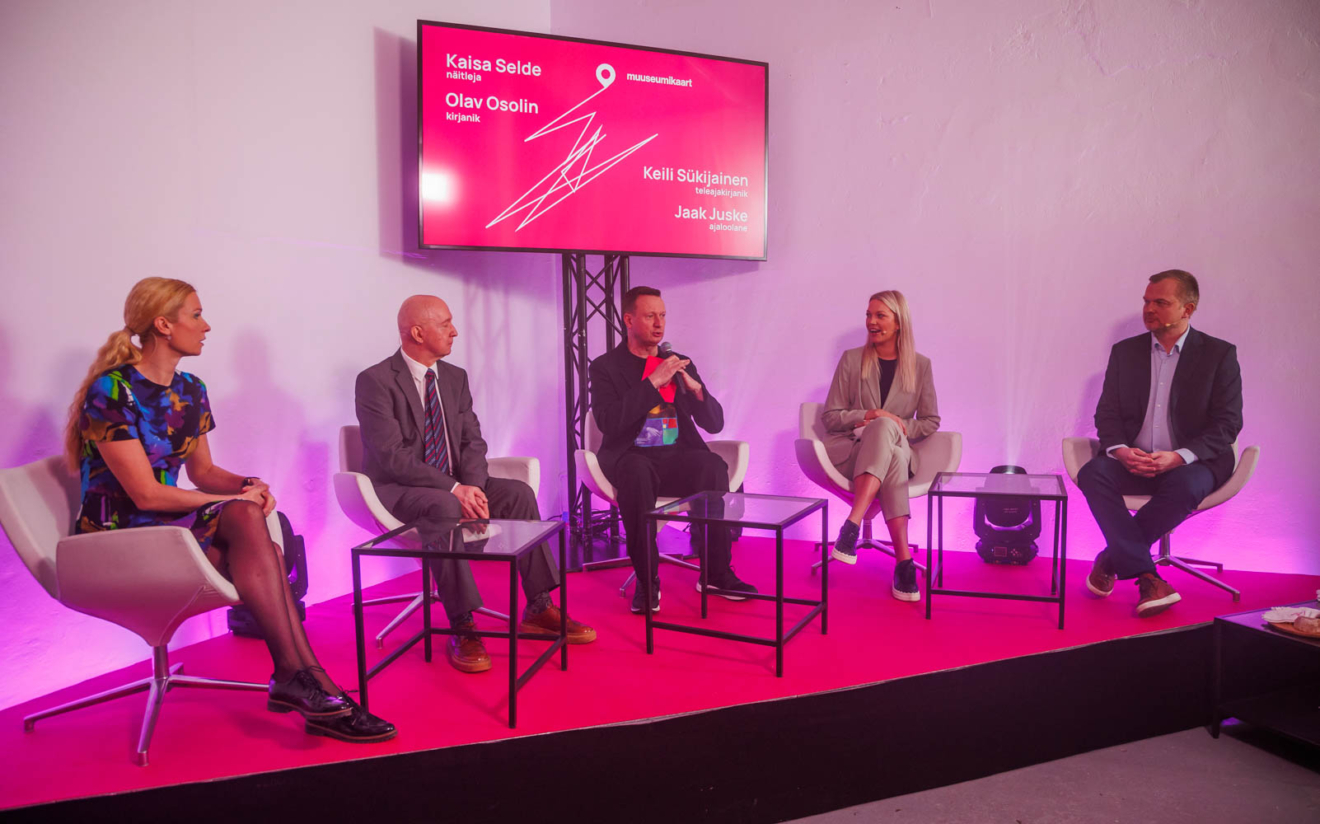
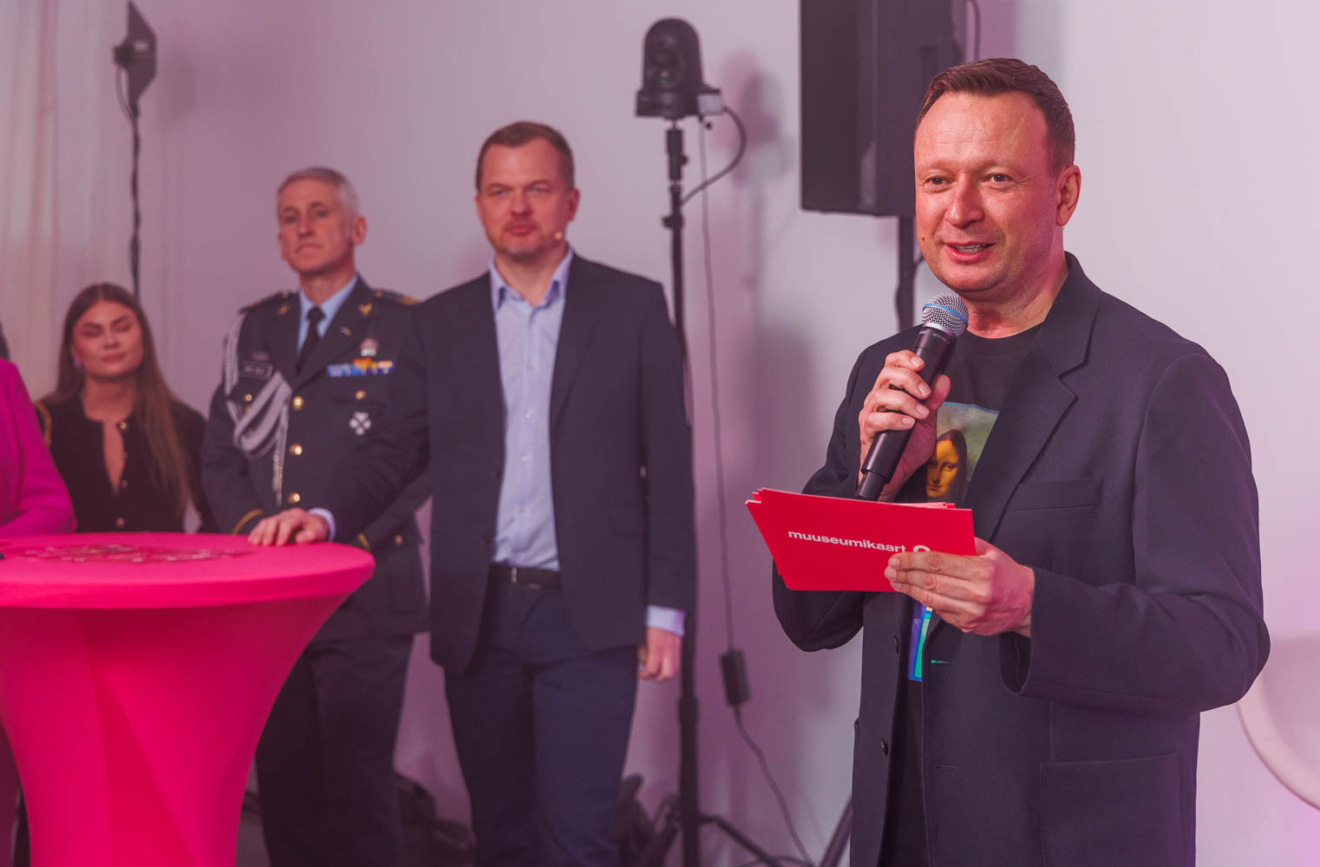
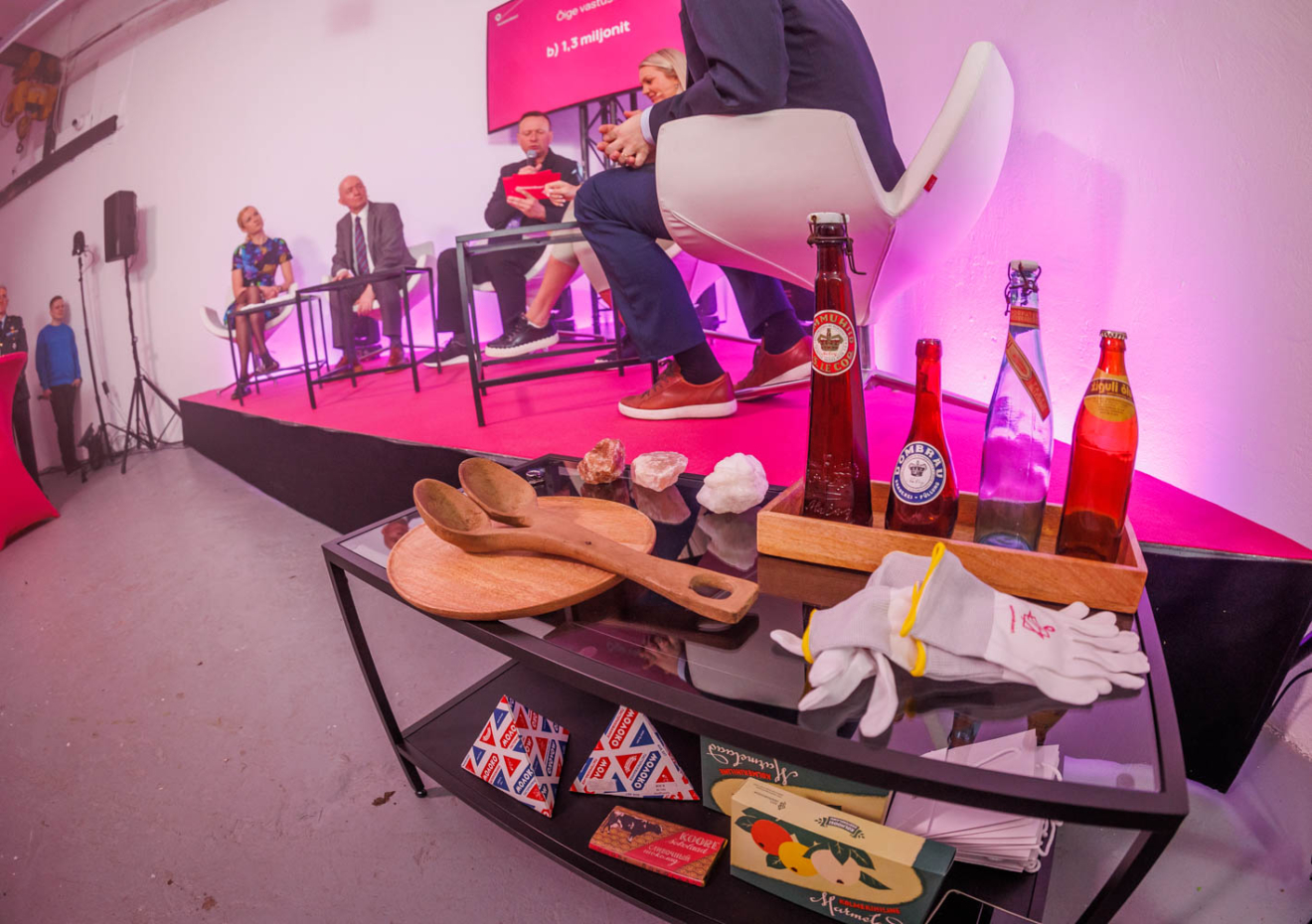
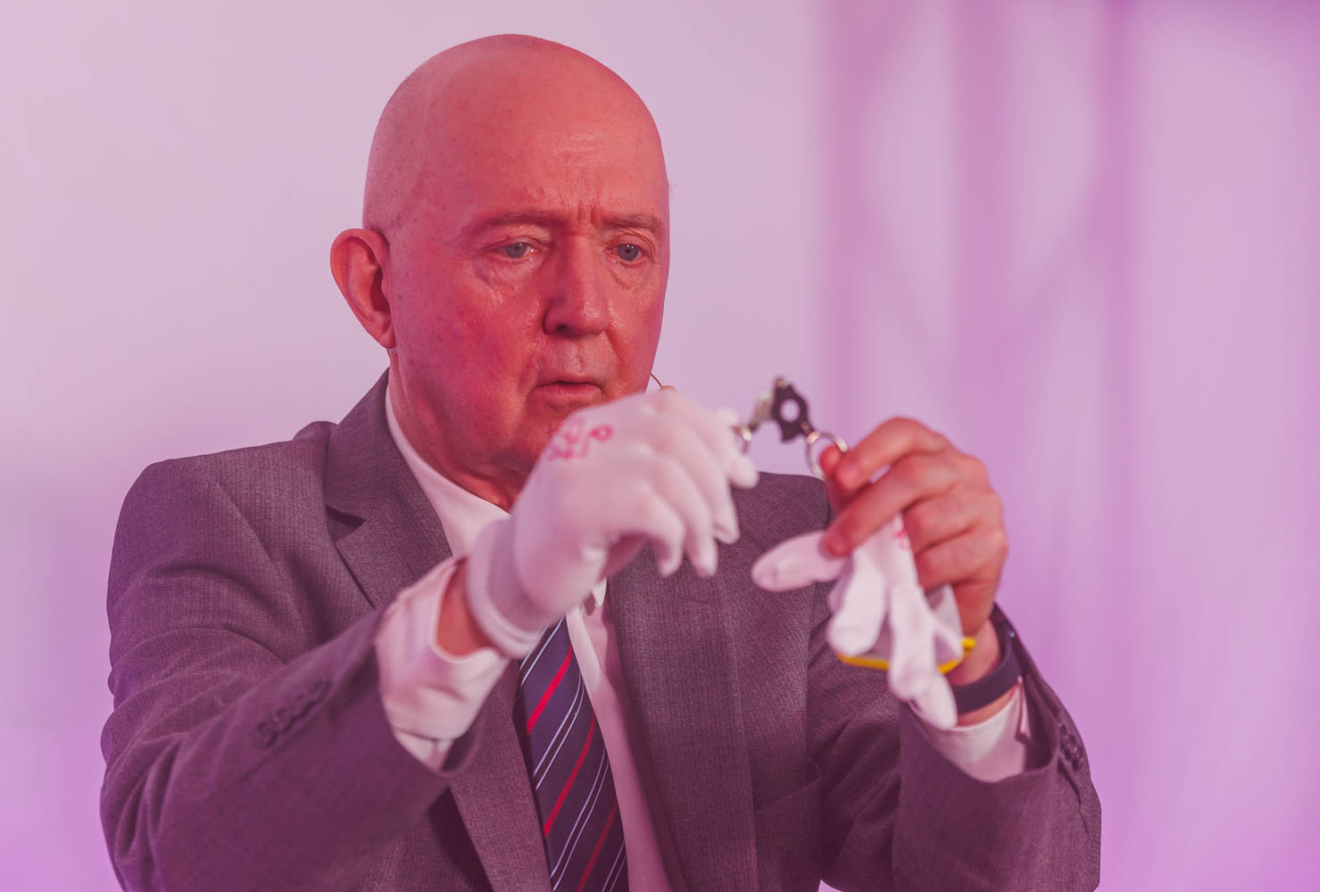
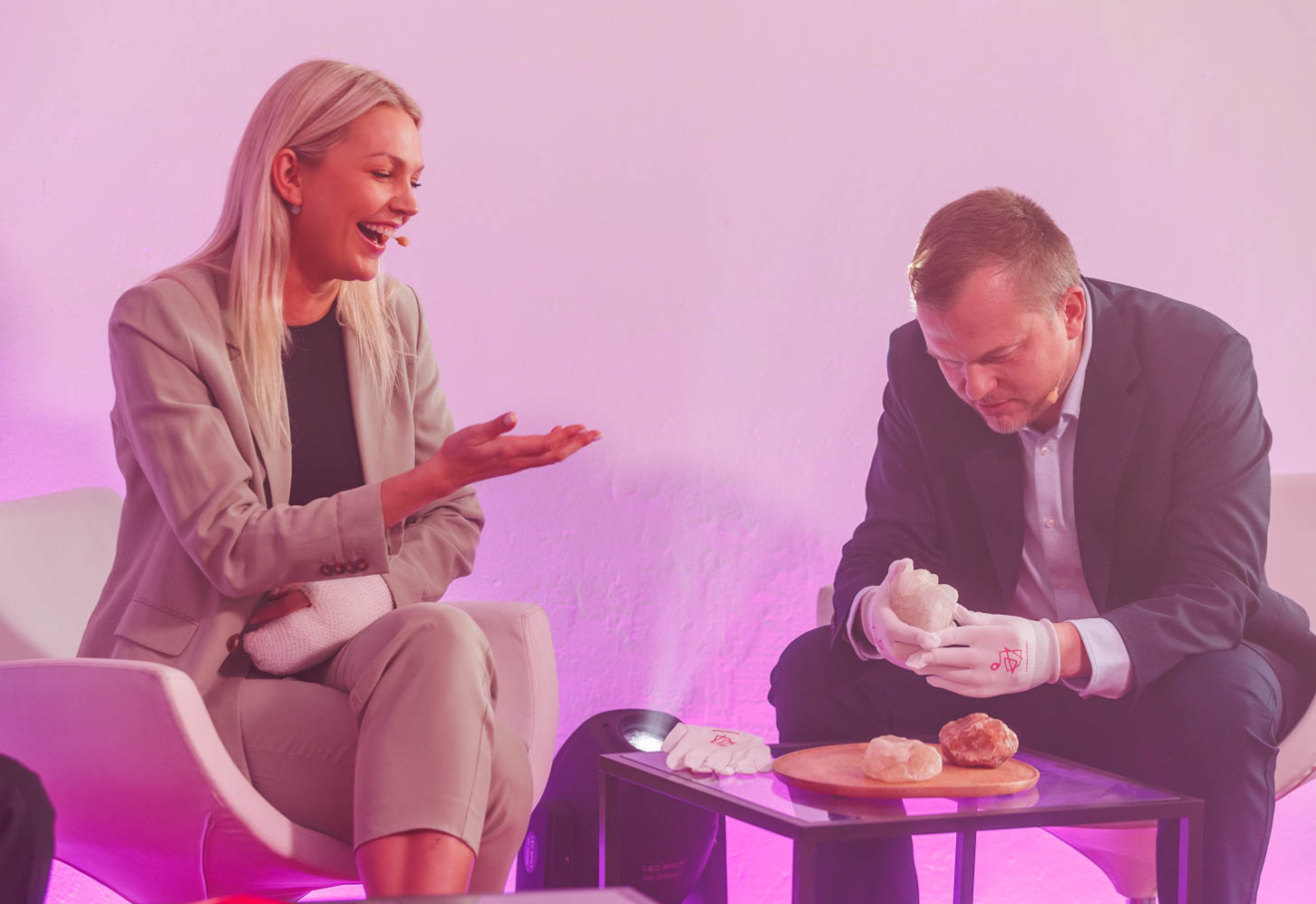
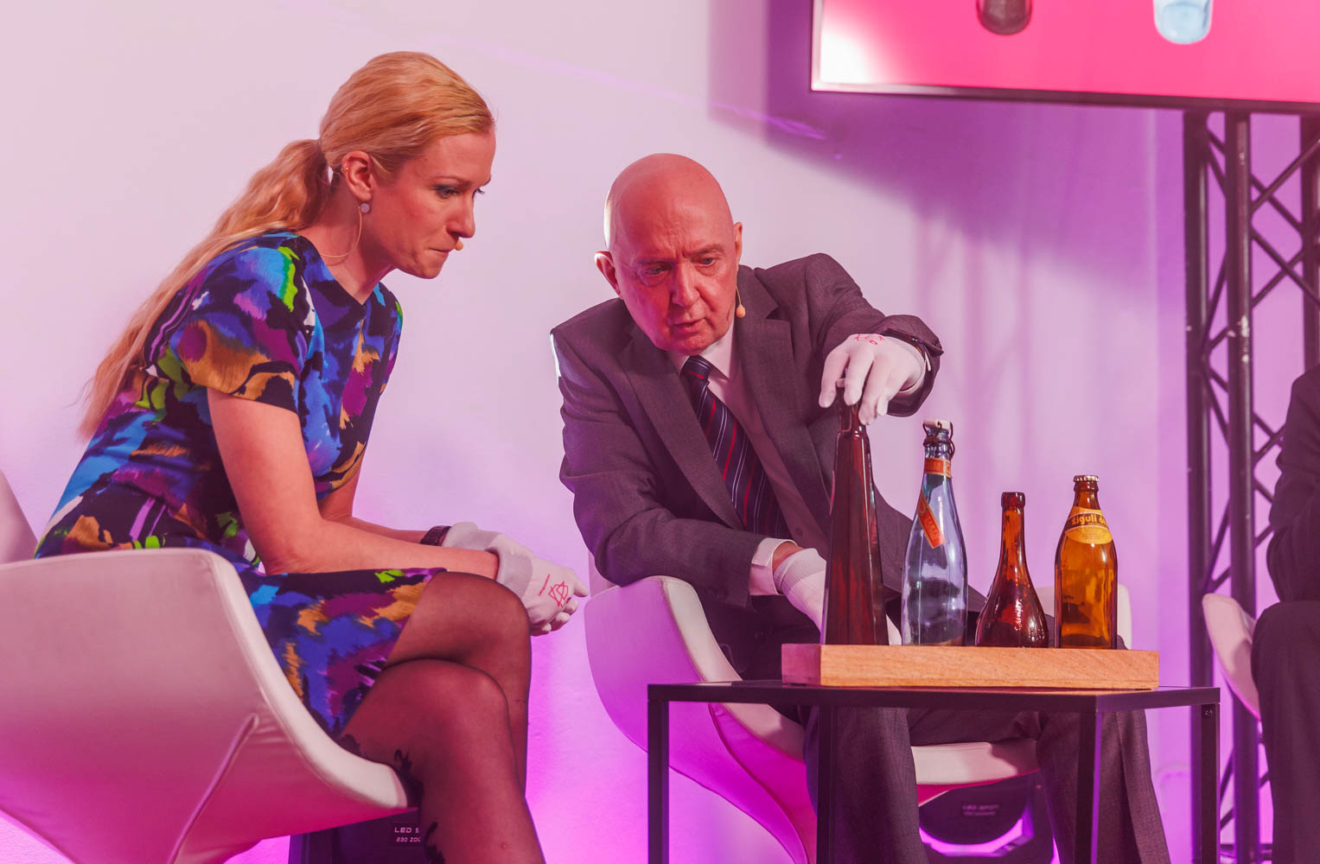
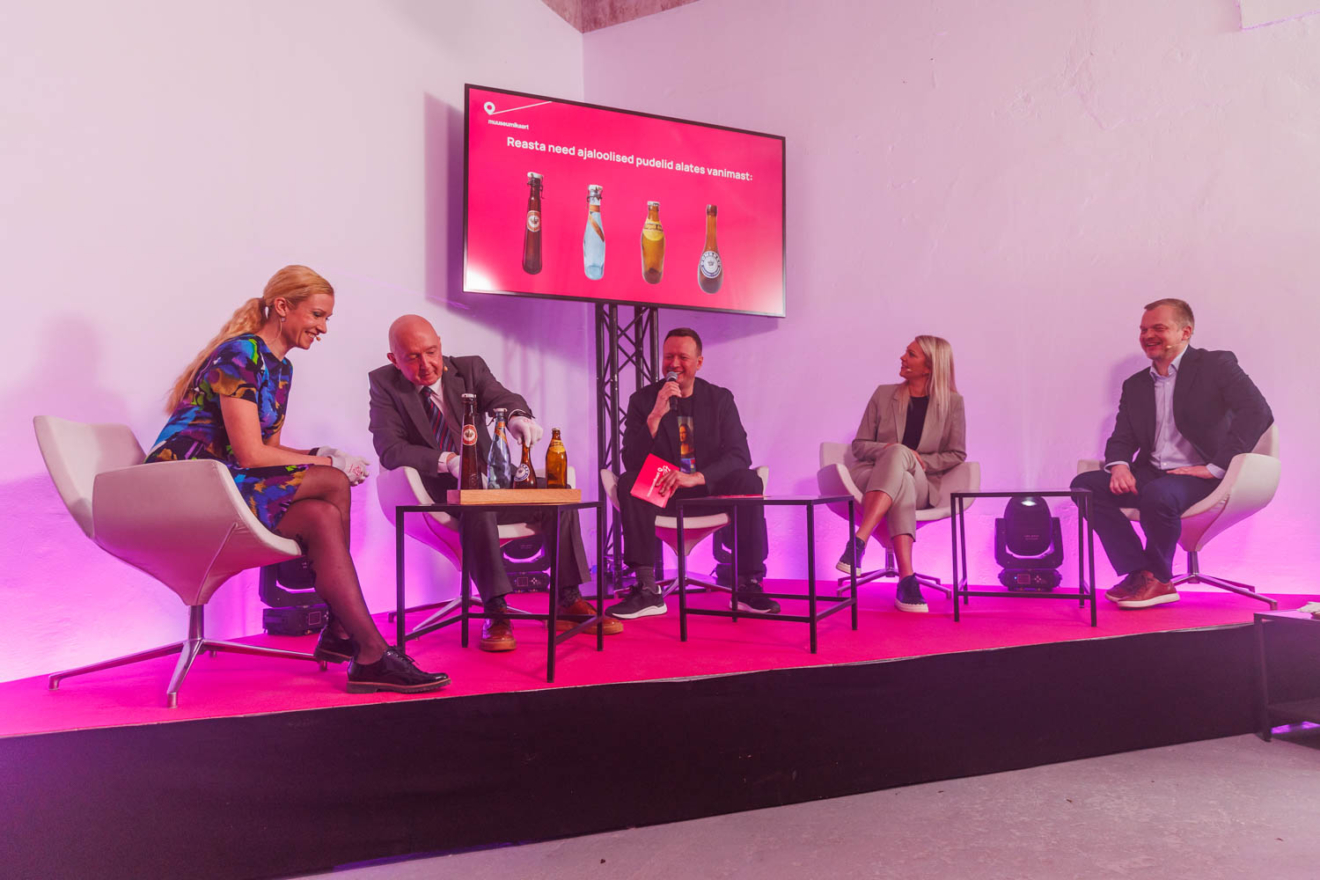
In today’s opening event, an entertaining quiz was held under the leadership of museum friend and TV-host Marko Reikop, where many well-known Estonians tested their knowledge about museums. In the competition, we tested the museum-related knowledge of TV-journalist Keili Sükijainen, writer Olav Osolin, actress Kaisa Selde and historian Jaak Juske. As a result of the very even competition, Selde-Osolin team won the quiz.
Altogether, 116 museums in Estonia joined the Museum Card. A lot of them are located in Harju county and Tallinn, but also for example in Tartu city, where all museums are part of the card.
Photos: Karli Saul



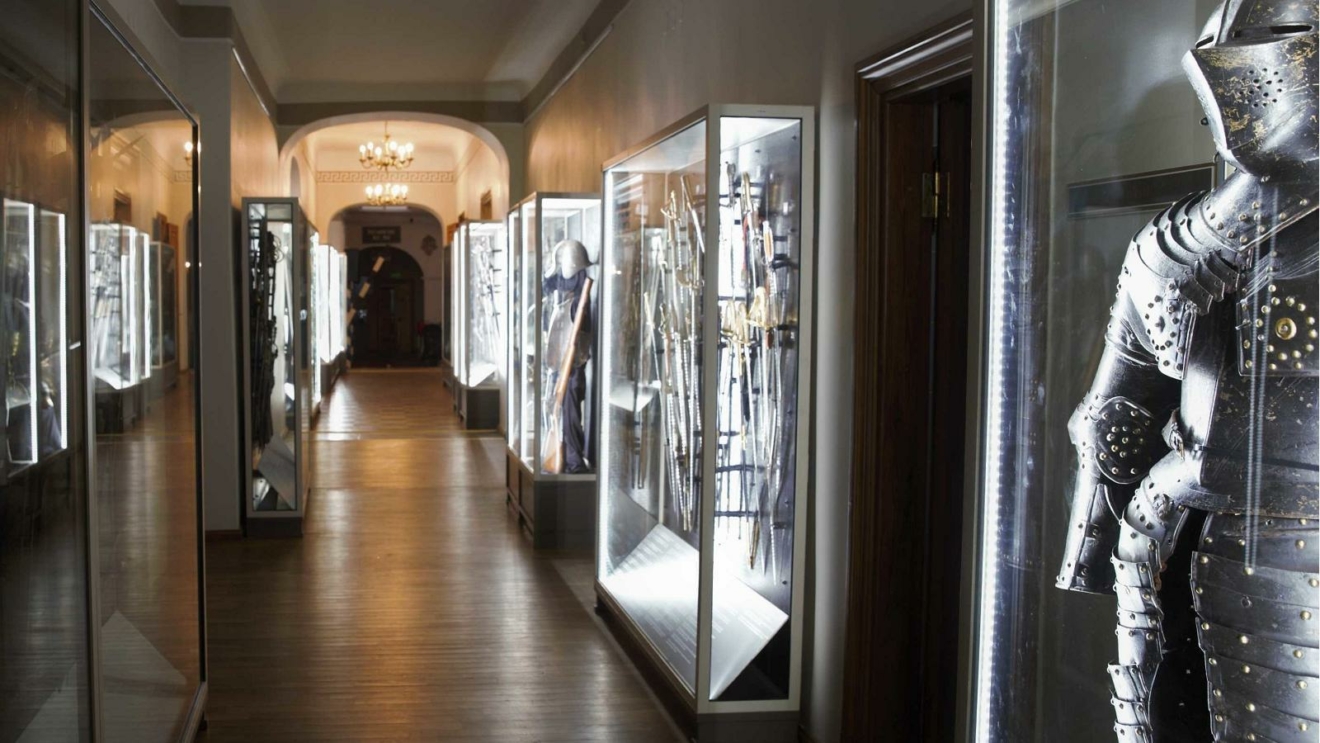
The memorial room of General Johan Laidoner, in the Estonian War Museum, displays both his biographical information as well as the decorations he was awarded. It is one of the most outstanding collections of the war museum, both in terms of historical
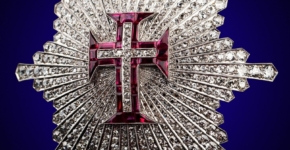
background and symbolic value. General Laidoner, the commander-in-chief of the Estonian forces in the War of Independence, later an active state and social figure, received high honors from a number of different countries during his lifetime. Among others, he was a two-time Knight of the Order of the Legion of Honor – of which the Order of the Commander of the Legion of Honor has survived. He was also a
Commander of the First Class of the White Rose of Finland, and a Knight Commander of the Order of St. Michael and St. George of Great Britain{2). Laidoner was the only foreigner who held all three classes of the Order of Lāčplēsis, the highest military award in Latvia.
Three quarters of all decorations ever given to Laidoner have survived. They miraculously survived the Second World War and the Soviet occupation. After the Laidoners were deported to Russia, Laidoner’s cousin, Colonel Villem Saarsen secretly transported the decorations during the German occupation to Finland and from there to Sweden. At the end of his life, Saarsen also judged Sweden too unsafe for such a precious collection, so the decorations spent more than 20 years in the United States Army Military History Center before being returned to Estonia in the spring of 2004.
Location:The Estonian War Museum
The right place for war – in a museum The Estonian War Museum is located on the border of Tallinn,…
Read moreThis puffer jacket warmed a young boy, Hans Luik, in icy Siberia. His father, a farmer of a big farm and veteran of the Estonian Independence War, was imprisoned in 1941 and died in a prison camp in the Kirov region in Russia. Young Hans was deported along with his expectant mother. Soon Hans’s mother was also imprisoned, and the boy was placed in an orphanage. At the end of the war, Hans managed to get permission to return from Siberia to his homeland due to his poor health. He arrived in Estonia in 1946 wearing the same fufaika. However, he kept the fufaika, an inseparable companion day and night, as if it was a talisman of a happy return to his homeland. “I can’t even explain to myself why I kept this old ragged piece for decades.” “Why are you keeping this old stuff?” my wife scolded me when I got married. “It’s not even suitable for a floor washcloth! Let me throw it away!” When Vabamu’s first permanent exhibition was opened in 2003, Hans, a recognized Estonian literate by then, took President
Lennart Meri, who was the patron of the museum, to see his old fufaika on display.
“Hello, Lennart, when you were deported in the Kirov region, did you also wear such a fancy
robe?”.
“Oh, yes, it was high fashion in Siberia,” chuckled his old friend.
“But you didn’t keep yours, did you?”
“It didn’t occur to me that it might still be needed,” Lennart shook his head.

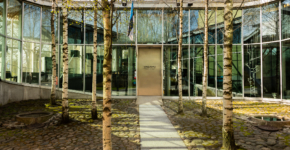
The Vabamu Museum of Occupations and Freedom
The meeting place of generations Vabamu, the Museum of Occupations and Freedom, located in the heart of Tallinn, presents the…
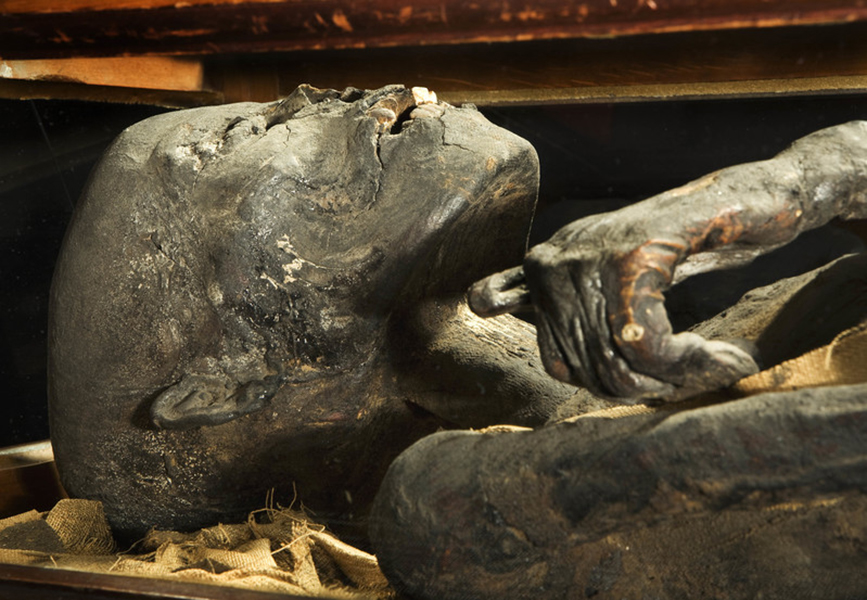
Read moreSeveral Egyptian mummies are exhibited in the University of Tartu Art Museum: a boy, a teenager, and a dog, who – according to researchers – might have lived in 700 BCE. The first two are the only complete Egyptian human mummies in Estonia.
The mummies come from the collection of Otto Friedrich von Richter (1791–1816), one of Estonia’s first Orientalists, thanks to whom the University of Tartu had one of the most prominent Egyptian-themed collections in Tsarist Russia in the 19th century. After Otto Friedrich’s sudden death, his father Otto Magnus von Richter donated his entire collection to the university – a total of 128 antiquities. Among these, in addition to the mummies, there was also a wooden sarcophagus and several valuable manuscripts and prints in Arabic, Persian, and Turkish.
In 1915, Richter’s collection of Egyptian antiquities was evacuated to Russia with the rest of the art museum’s antiquities, and this part of the collection is now housed in the I.N. Kramskoy Art Museum in the Voronezh Oblast. However, the mummies were located in the old anatomy room of the University of Tartu at that time and were not evacuated to Russia.
Location: The University of Tartu Art Museum
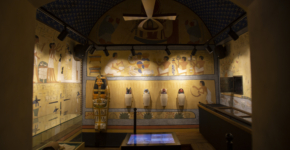
The University of Tartu Art Museum
The best of antique on one exhibition At the permanent exhibition of the art museum located in the main building…
Read moren his speech given at the First Song Celebration in Tartu on June 19, 1869, Jakob Hurt, a young church minister, collector of Estonian folklore, and one of the leaders of the Estonian national awakening, made three calls: to remain loyal to our nation, to develop the nation’s sense of unity through joint actions, and to promote education in the mother tongue. Although Hurt had to cut his speech by a third due to torrential rain, and the paper suffered water damage, his thoughts
still reached the crowd. The ideas and calls delivered in his speech became the building blocks and guidelines for the Estonian national ideology.
In the same speech, Hurt spoke at length about the need to create an Estonian-language high school. The discussions of the committee of the initiative, known as the Alexander-School movement, have been considered the beginning of the Estonian parliamentarism
Location: The Song Celebration Museum

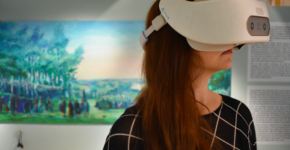
The cradle of Estonian theatre and song festivals The Song Celebration Museum presents the history of Estonian song festivals and…
Read moreThe forefather of the Tori horse breed in Estonia was Hetman, a crossbred stallion of the Norfolk Roadster breed, who was born on the Klementsovo horse farm in Poland in 1886. He was brought to Estonia in 1892 by the owner of Sangaste Manor, Count Friedrich Georg Magnus Berg.
Hetman was a magnificent animal of dark chestnut color, who was famous for his fertilization capacity: in the Tori Horse Breeding Farm, his descendants included 48 stallions and 37 mares. Starting from Hetman, the new horse breed was called the Tori Roadster.
After Hetman’s death in 1912, the horse was buried in a paddock, and his name and the dates of his birth and death were engraved on a boulder located nearby. In 1926, the remains were dug up and for a long time, the skeleton was located in the attic of one residential house in Tori. In 1977, the skeleton was sent to Tartu to be treated by specialists. From 1992, the skeleton was housed in the Estonian Agricultural Museum, but now Hetman’s skeleton is back in Tori, standing in the exhibition at the Tori Horse Breeding Farm.
Location: Tori Horse Breeding Farm
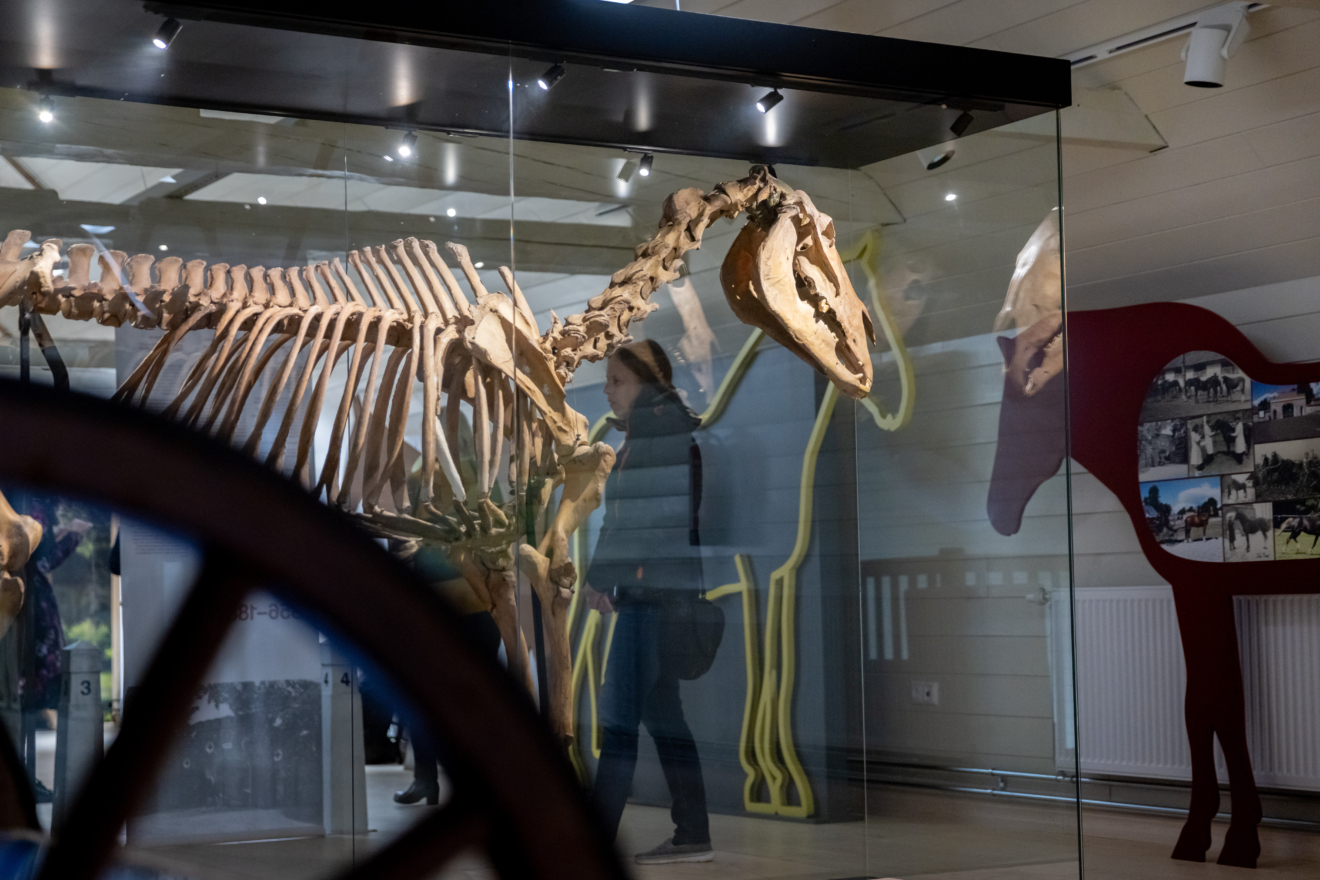
Tori Horse Breeding Farm Museum
A museum with horses, and treasures found from the attic The oldest horse breeding farm in Estonia, which started operating…
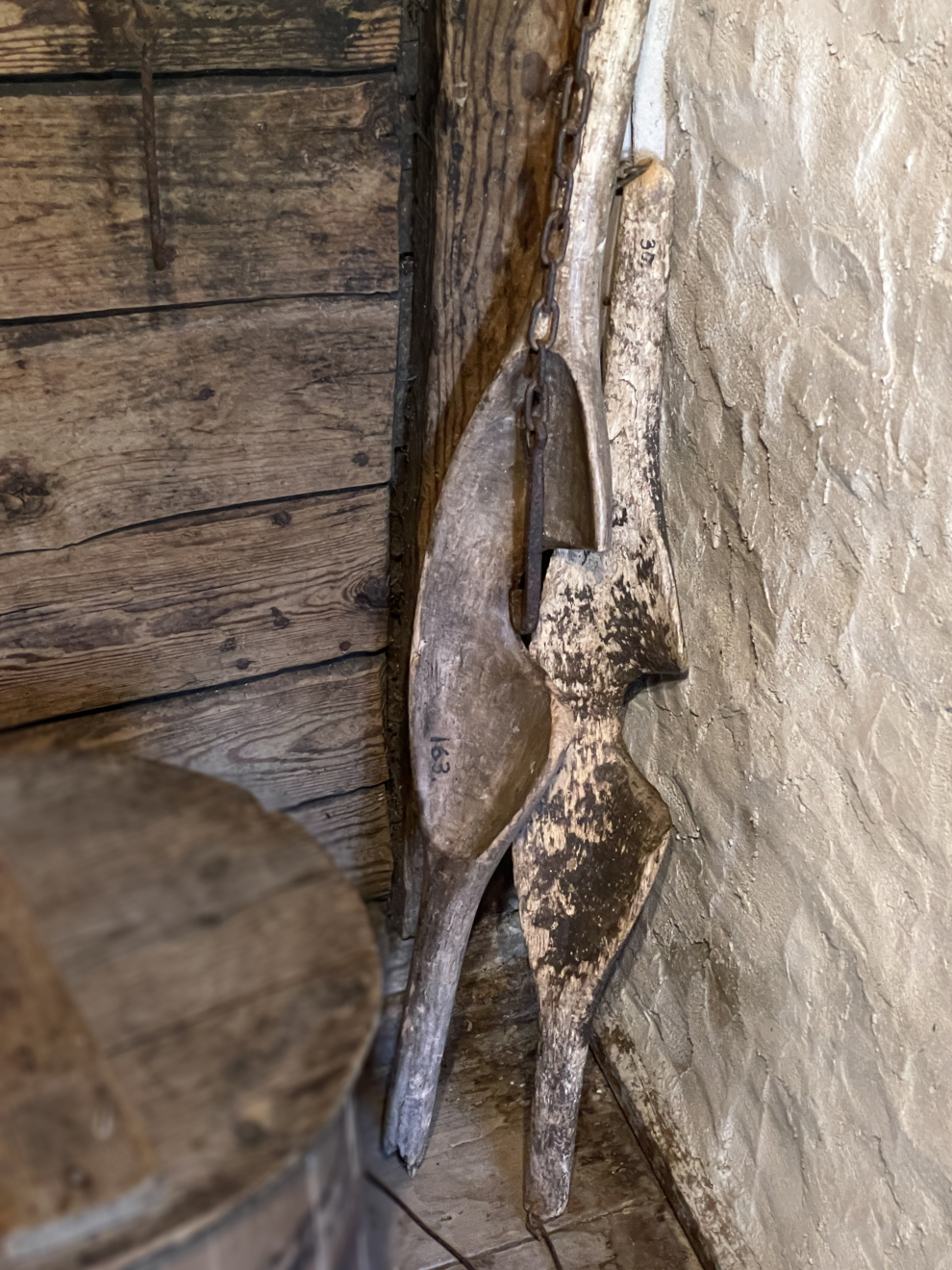
Read moreCarrying poles are a tool for carrying water. While in other parts of Estonia, straight-shaped arched poles were used, these Vormsi carrying poles were custom-made specifically for one man’s wife. Made precisely according to her shoulders and neck. Thanks to the ergonomic shape, the woman did not have to hold the carrying poles with her hands as these sat comfortably on her shoulders. According to legends, this allowed studious Vormsi women to carry on knitting
while carrying water – a knitting bag, bindbongen, was always with them.
In the coastal area and islands of Estonia, it was women who carried out all the farm work. It was the same on Vormsi island, where all household work, including carrying water for the family and livestock, was a woman’s task.
Farms in Vormsi were located in a scattered village, in the middle of which a well was established. Carrying poles were more needed when water was carried from the village well, but they also facilitated the carrying of water when wells were built in farmyards.
Location: The Vormsi Farm Museum
The Vormsi Farm Museum – the heart of Vormsi Swedes Vormsi Island has a unique history as for centuries it…
Read moreAlthough the DEC VAX-11/785 computer weighs over a ton, this device produced by Digital Equipment Corporation was actually a very compact and powerful machine compared to other machines in its class at the time, offering competition to IBM computers.
In the first years after the collapse of the USSR, many computers seemed to no longer belong to anyone, and most large computers were destroyed in order to use the precious metals found in them.
At the same time, some VAX machines were brought to Estonia from Tampere University. Among them was the DEC VAX-11/785, which somehow stayed hidden and survived those turbulent times. In 2019, these large computers arrived at the Computer Museum.
Location: Computer Museum
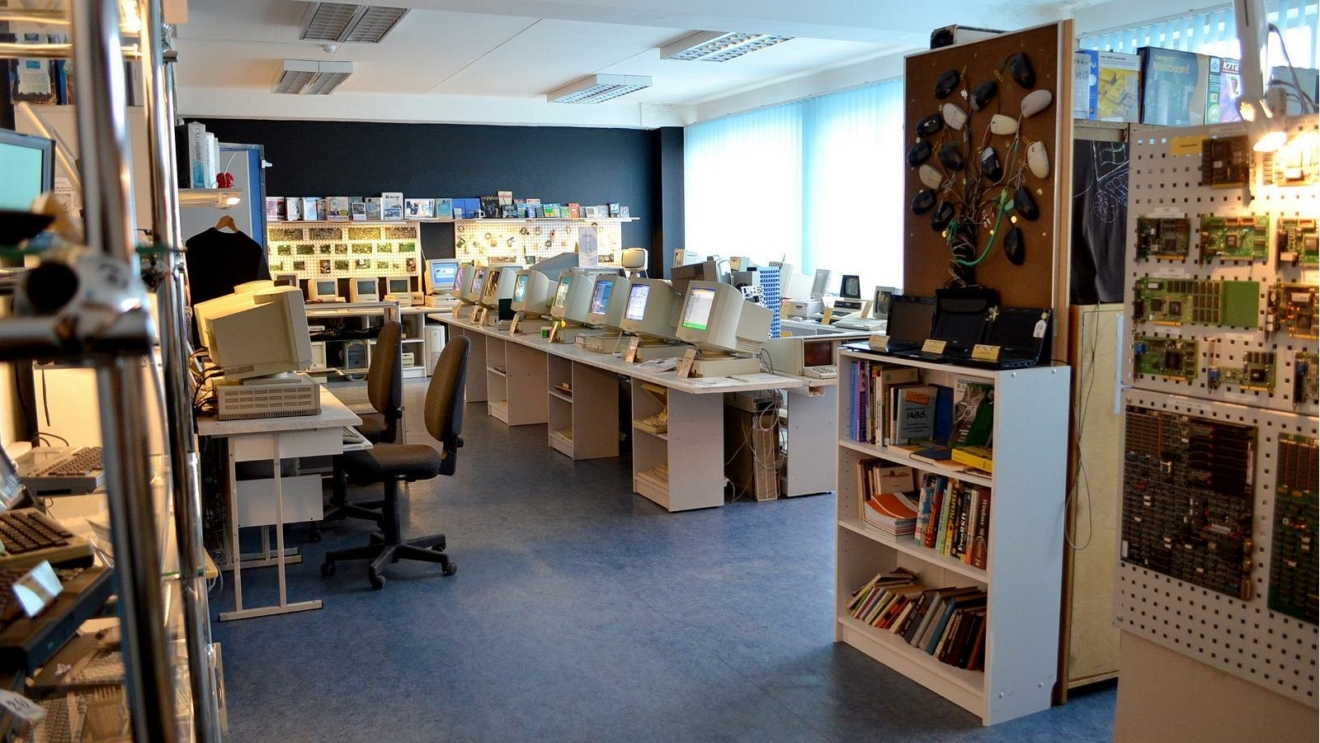
Nostalgia and new knowledge about computers for everyone The Computer Museum is Estonia’s oldest, and the only year-round museum dedicated…
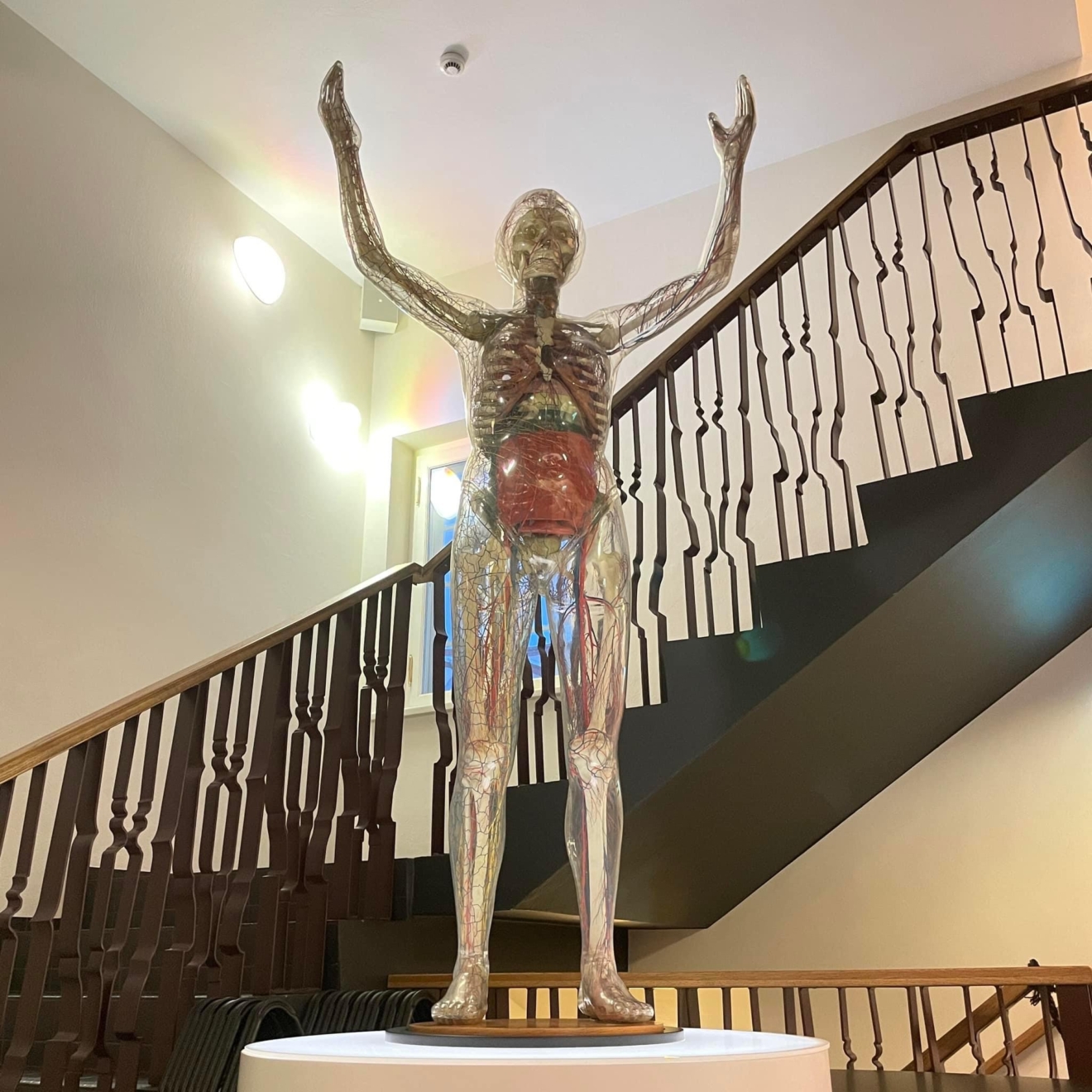
Read moreThe history of this electronic glass woman dates back to 1928, when the first such model was shown in the German Hygiene Museum. This was when the great dream of depicting the human body in three dimensions and close to real life came true. Nine glass figures are known to have been made in the museum’s workshop in the 1930s.
Both professionals and the public were enthralled by the glowing and talking human figure. In 1937, the glass woman even got her own pavilion at the Paris World Fair, and interest was so great that the police had to regulate nearby traffic due to the crowd standing in line. The glass body was also taken to shows in America, Egypt, India, Australia, and other places. In 1949, a new glass figure was presented in Dresden, which the press called the Eighth Wonder of the World.
This unique transparent glass figure in Estonia dates back to 1989 and has taught the anatomy of the human body to several generations. The technical and electronic achievement of its era
continues to work tirelessly despite its dignified age and introduces the internal structure of the human body in a nine-minute lecture: the skeleton, the most important blood vessels, internal organs, and the nerves. In addition to its educational purpose, this transparent teaching tool is of historical value, showing the spirit of its age and a century-long development
Location: The Estonian Health Museum
The Estonian Health Museum is located in an almost 600-year-old building in Tallinn’s old town. You will find an exciting…
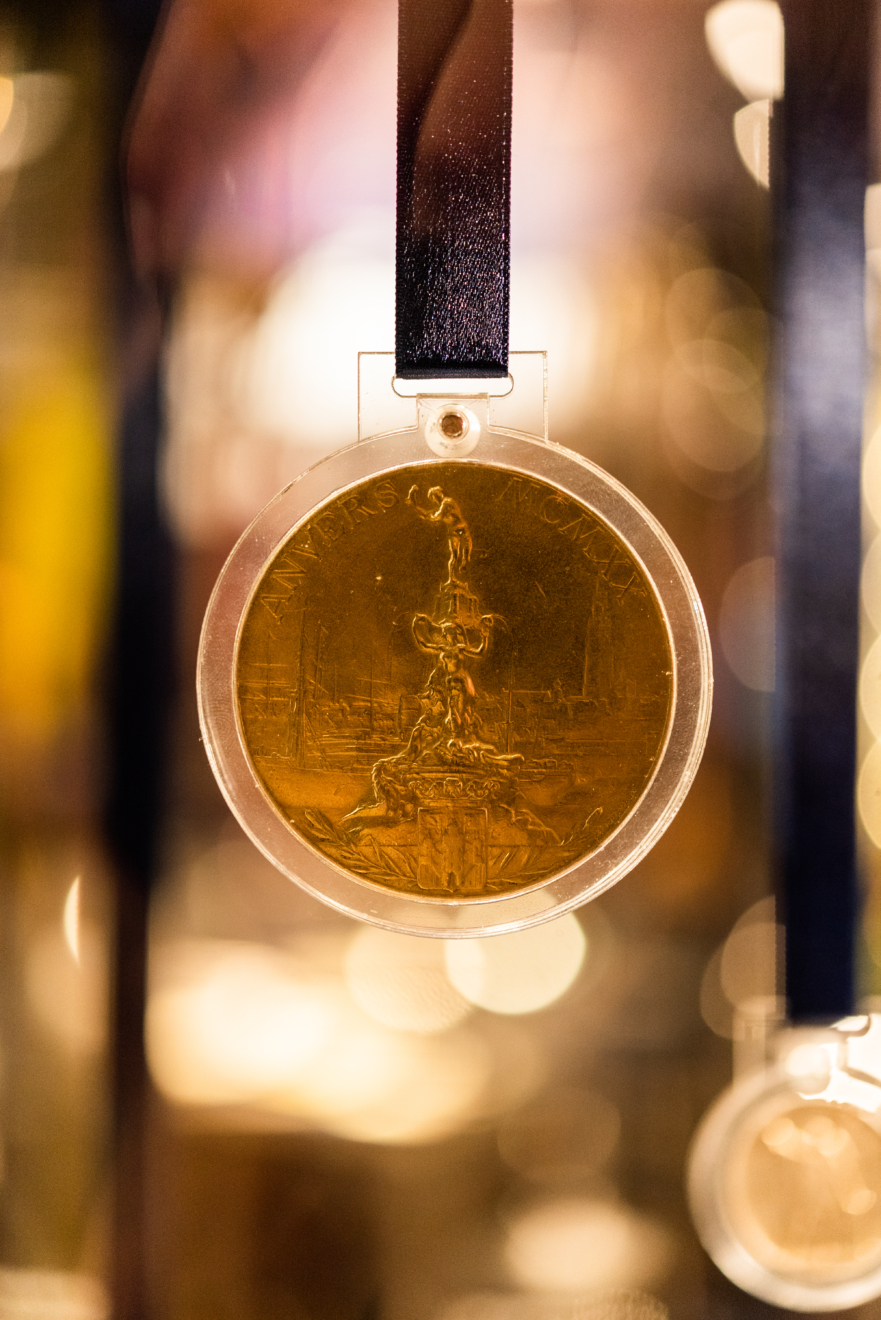
Read moreEstonia’s first Olympic medal was won by Martin Klein at the Stockholm Olympics in 1912 when he won a silver medal in Greco-Roman wrestling in a match that lasted almost 12 hours. Martin Klein, from Viljandi County in South Estonia, reached the top three in the Olympic tournament in the weight of up to 75 kg. On July 14, 1912, at 10:30 am, the Estonian hero started his eighth match against the reigning world champion from Finland, Alfred Asikainen, who had
been freed twice due to a draw and only had to fight five times. It wasn’t until 10:10 p.m. that Klein was declared the winner of the longest match in wrestling history, lasting 11 hours and 40 minutes.
The doctors forbade the battered man to continue wrestling in the tournament, so the Swede Claes Johansson won the gold medal without wrestling in the final round, even though he had won against only five opponents in the tournament and lost to the later bronze winner, Asikainen, by the judges’ decision.
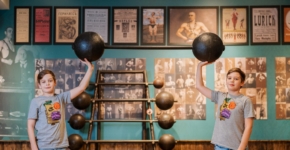
Estonian Sports and Olympic Museum
Be sporty in the museum! The Estonian Sports and Olympic Museum in Tartu is the largest sports experience center in…
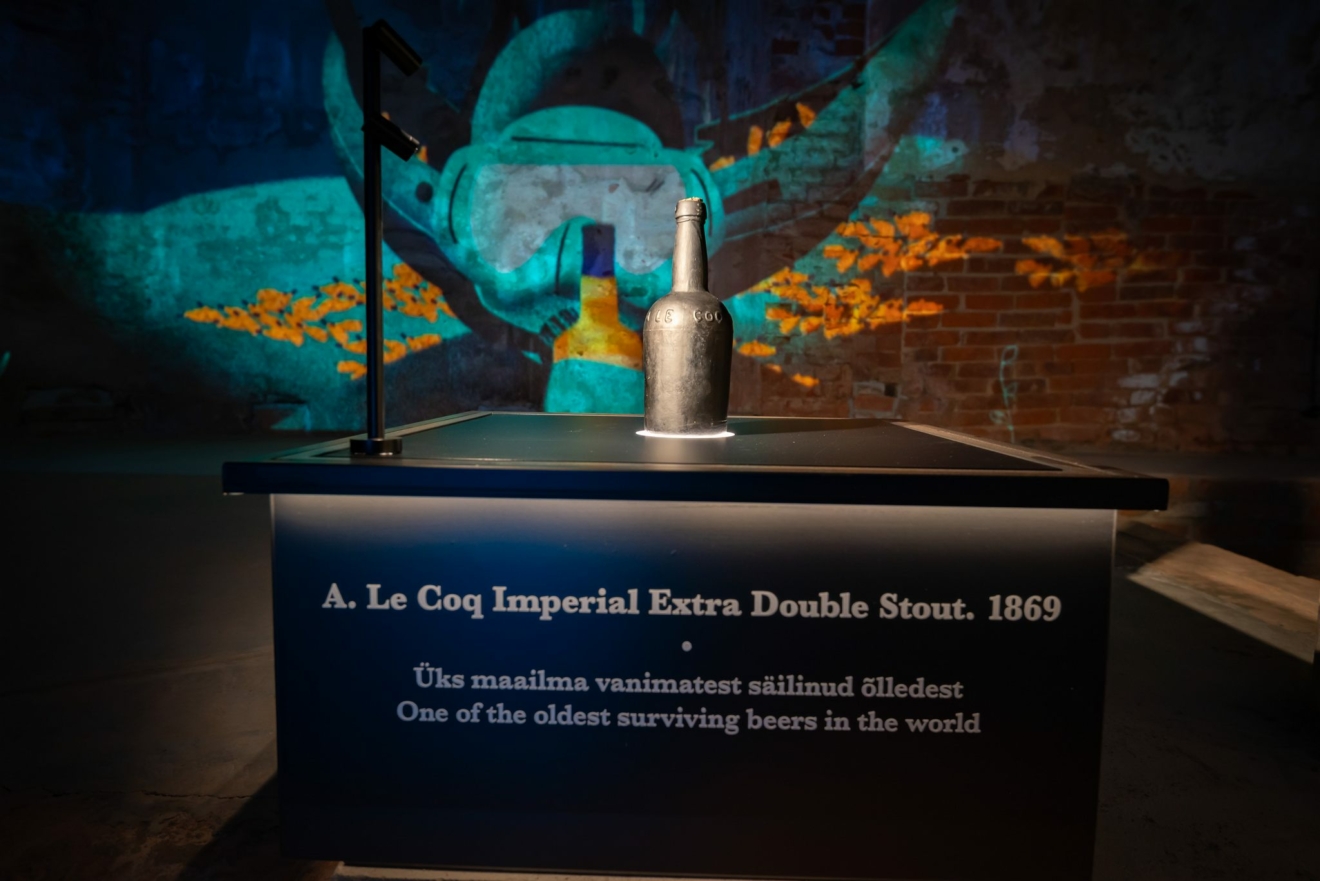
Read moreProduced more than 150 years ago and having survived a shipwreck, A. Le Coq Imperial Extra Double Stout is the world’s oldest beer.
This strong surface fermentation beer was first brewed in London and then in Tartu, in 1912, specifically for the Russian market and the Russian imperial court. In 1869, this particular bottle of beer was on the ship Oliva en route from London to Russia when a strong storm suddenly ended the ship’s journey. More than a hundred years later, Norwegian divers discovered the shipwreck with its cargo of beer on the seabed. One of these sealed bottles found its way to the Tartu A. Le Coq Beer Museum.
Location: The A. Le Coq Beer Museum
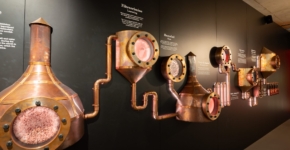
Discover the story of beer! A. Le Coq Beer Museum takes visitors on a journey to see, hear, taste, and…
Read moreVisit the Arvo Pärt Centre to see a fascinating flower pot
This flowerpot, painted by Arvo Pärt, marks a certain period in the composer’s journey toward developing his own musical language, which became known as tintinnabuli. A few years before reaching this breakthrough, when the composer was in a deep creative crisis, he was advised to experiment with other art forms that were unfamiliar to him. It was suggested that having the courage to make mistakes and fail might lead him out of a creative deadlock. Paper and canvas seemed too pretentious to the composer and his wife, Nora Pärt, so they ended up with flowerpots.
Eventually, there were hundreds of painted flowerpots at the composer’s home. Only one of them has reached the Arvo Pärt Center – a small clay pot painted by Arvo Pärt, with the handwritten date “4.3.77” inside. It also arrived back to the composer with a big round. You can find out how it happened by visiting the Arvo Pärt Centre.
Location: The Arvo Pärt Centre

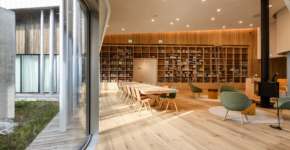
A creative meeting place in silence Estonian composer Arvo Pärt is one the best-known classical music composers in the world…
Read moreOn Tuesday, April 11, at 12 o’clock, we will present the museum map with a nice live show on ERR’s cultural portal.
See with your own eyes how the Museum Card will work and who will be festively presented with the very first Museum Card in Estonia.
The live show is hosted by journalist and museum lover Marko Reikop, who tests the museum knowledge of well-known Estonian people and show viewers.
The launch of the Museum Card is supported by the Ministry of Culture.
So don’t forget that you can watch the premiere live on ERR’s culture portal on Tuesday, April 11 at 12 o’clock!